Side Effects of Gamma Knife for Acoustic Neuroma Surgery
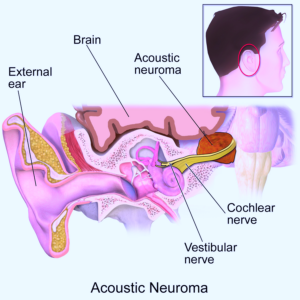
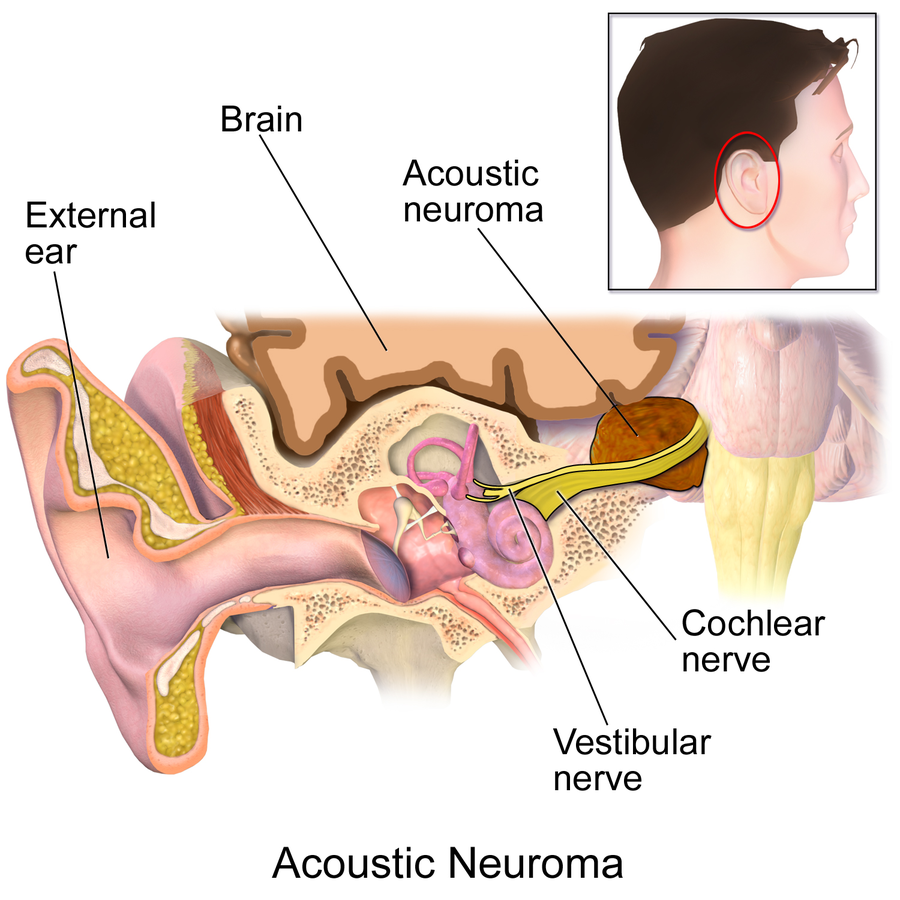
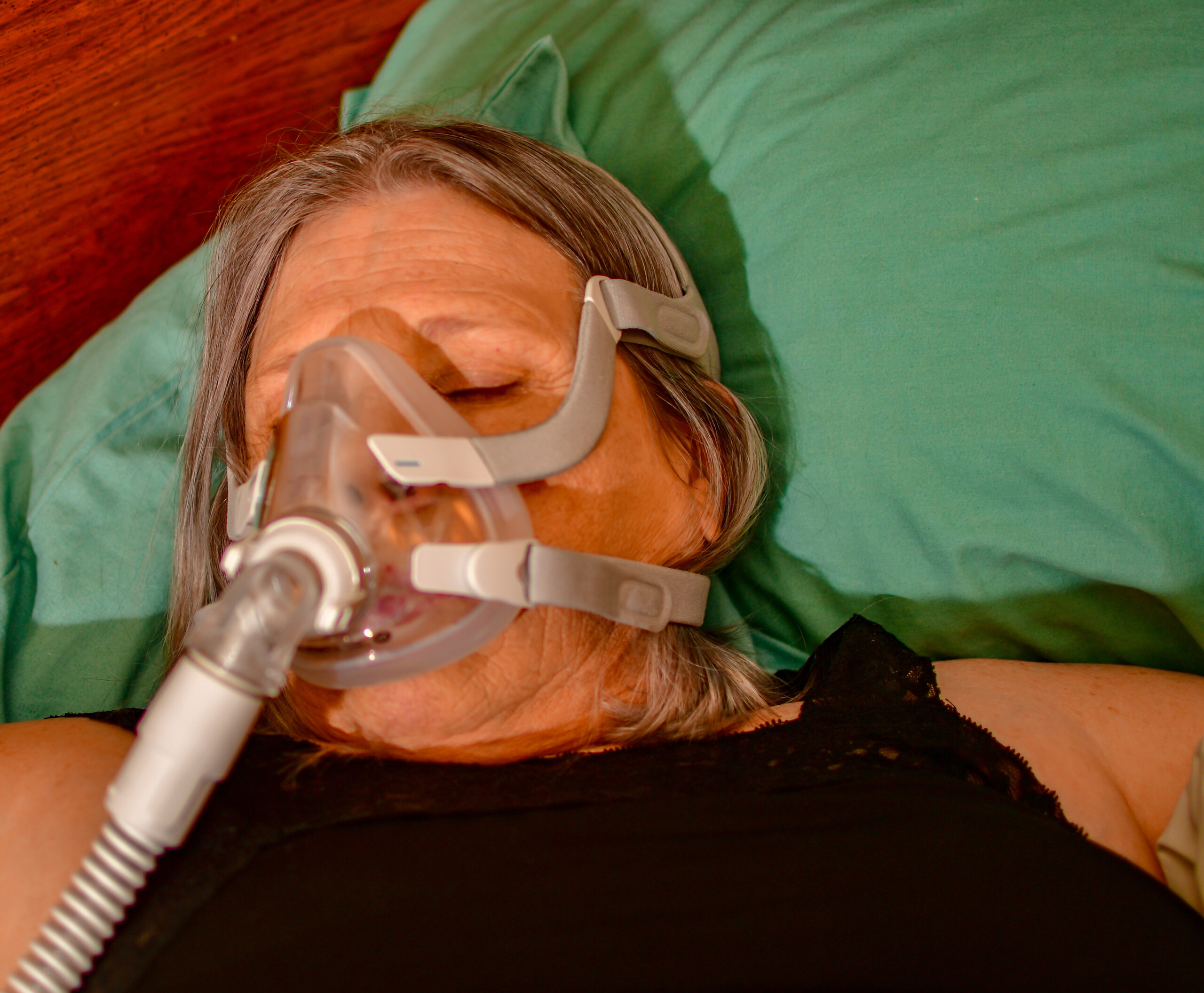
Gamma Knife surgery is one of the treatment options for an acoustic neuroma, a type of brain tumor. But Gamma Knife surgery can have side effects.
If you’ve been diagnosed with an acoustic neuroma, you should be made aware that there are several treatment approaches.
These will depend on the location, size and shape of this benign tumor, and whether or not you have symptoms.
Sometimes these tumors are discovered by accident when the patient’s head undergoes imaging for an unrelated issue.
Other times they are found when an MRI is ordered to see what might be causing symptoms that the patient is having (e.g., hearing loss in one ear, tinnitus in one ear, clogged feeling in one ear, balance problems, dizziness, facial pain).
Gamma Knife surgery eliminates having to do any cutting into the skin and skull, or infiltration with instruments into the ear canal.
Gamma Knife Side Effects for Acoustic Neuroma Treatment
“The most common side effect from Gamma Knife (or any form of stereotactic radiosurgery) is hearing loss,” says Ted McRackan, MD, MSCR, Director, Skull Base Center; Assistant Professor, Department of Otolaryngology – Head and Neck Surgery, Medical University of South Carolina.
“Fewer than 30% of patients who receive Gamma Knife maintain serviceable hearing over the long term.”
This may seem bleak, but if your doctor has determined that gamma knife is the most effective route to go to deactivate the mass, then you must realize what could happen if the mass is not rendered inactive (or micro-surgically excised):
• Worsening hearing loss and other symptoms.
• This may include swallowing, speech and eye problems.
• Encroachment of the tumor upon the brainstem, which can disrupt electrical signals to the heart or cause fluid buildup in the brain.
Dr. McRackan adds, “Other side effects such as headache, weakness of the facial nerve, imbalance (due to treatment rather than from the acoustic neuroma) and visual problems are quite rare when Gamma Knife is performed for appropriate sized tumors.”
Permanent Hearing Loss a Reasonable Price to Pay
An acoustic neuroma is also called a vestibular Schwannoma. Gamma Knife treatment may be delivered as a single event or in multiple smaller events (fractionated stereotactic radiotherapy).
Gamma Knife works by stopping tumor growth, and in some cases it even shrinks over time.
Why would you want to undergo Gamma Knife surgery for acoustic neuroma treatment if a common side effect is permanent hearing loss? Some benefits:
• Facial and trigeminal nerve function can be preserved for most patients.
• No post-operative pain; no post-operative rehabilitation. Patients can immediately resume activities.
• No hair is shaved.
• Eliminates risk of infection, blood clots, hemorrhaging, brain swelling, prolonged (though temporary) facial weakness/paralysis and permanent facial weakness/paralysis.
• The cost is often 20% to 35% less than conventional neurosurgery.
The downside is as follows:
• Slight risk of tumor regrowth, requiring periodic MRI surveillance.
• Non-successful treatment usually means a micro-surgical removal rather than more Gamma Knife attempts.
• Very low to non-existent risk of malignant transformation triggered by the treatment.
• Good chance of permanent hearing loss.
Before you begin panicking that Gamma Knife for your acoustic neuroma will cause permanent hearing loss, you should know that micro-surgery as well can yield this side effect. It’s actually the most common complication.
 In addition to acoustic neuroma, Dr. McRackan’s clinical practice focuses on comprehensive management of ear, hearing, balance and skull base disorders. Areas of interest include cochlear implants, facial nerve disorders and tumors, vertigo and endoscopic ear surgery.
 Lorra Garrick has been covering medical, fitness and cybersecurity topics for many years, having written thousands of articles for print magazines and websites, including as a ghostwriter. She’s also a former ACE-certified personal trainer.
.
Top image: Blausen.com staff (2014)

Mortality Rate of Cardiorenal Syndrome by Age Bracket

Medical journals typically refer to the age bracket of “over 65” when discussing the mortality or survival rates of cardiorenal syndrome.



Percentage of People Who Don’t Improve with CPAP and Why
How many people with sleep apnea do not improve despite using a CPAP machine and why does this occur?
After all, CPAP therapy is the gold standard treatment for sleep apnea with a highly effective result for people who comply with this treatment. (more…)

Can Postnasal Drip Cause GERD or Stomach Problems?

Is it possible for the drippy mucus that comes from your nose to leak down into your esophagus and cause GERD?
You may already know that acid reflux can get kicked up as high as the nasal cavity, causing burning in the nose.
But now the question is the reverse: whether or not mucus from your nose can drip down the back of the throat and get into the esophagus or “food pipe,” and trigger acid reflux or heartburn.
Acid Reflux and the Nose
“It actually works the other way around,” says Dr. C. Phillip Amoils, MD, a board certified otolaryngologist with SC-ENT Ear, Nose & Throat Specialists in CA.
“Chronic GERD can reach up all the way to the sinuses, particularly in young kids who are regurgitating, and that can cause inflammation of the sinuses as it’s ascending up the esophagus and hitting the back of the nose – so that’s one of the issues,” explains Dr. Amoils.
“Postnasal drip, if it’s severe, can give you this chronic runny nose and can slightly irritate the stomach – but it’s usually the GERD that causes the problems, not the other way around.”
Triggers for Acid Reflux
So now you know that the triggers do not include anything going on with the nose, no matter how drippy and voluminous the mucus is.
You may have both GERD and a good case of postnasal drip, independent of each other as far as cause.
Acid reflux, including that which gets as high as the throat or nose, can be brought on by:
• Spicy foods
• Chocolate, citrus fruits, coffee
• Alcohol
• Large meals
• Eating close to bedtime
• Weak esophageal sphincter muscle
• Acute or chronic anxiety
If you have nasal drip that persists despite treatment for a suspected allergy, you should have an ear, nose and throat physician examine you.
If one already has, seek a second opinion. A persistent discharge from the nose can be caused by a sinus tumor.

Dr. Amoils is considered among the best surgeons worldwide for sinus surgery and OSA, having helped thousands of patients for 30+ years. He also demonstrates to physicians the protocols he’s developed for mouth breathing, nasal congestion, obstructive sleep apnea and snoring using minimally invasive procedures.
 Lorra Garrick has been covering medical, fitness and cybersecurity topics for many years, having written thousands of articles for print magazines and websites, including as a ghostwriter. She’s also a former ACE-certified personal trainer.
.
Top image: Shutterstock/antoniodiaz

How to Avoid a Deep Vein Thrombosis if You Sit All Day Long

Sitting for many hours day after day is a risk factor for developing a deep vein thrombosis.
Symptoms that Seem Harmless that Are Really Cancer

Seems like every symptom possible can be caused by cancer, but some symptoms of cancer also have very benign causes.
This includes headache, cough, sore throat, stomach discomfort and even itching. (more…)

Why You Get Dizzy when Blowing Your Nose

Is it ever normal to feel dizzy when you blow your nose? What is going on here?
“Your Eustachian tubes go from your nose to your ears, and that’s what you equalize when you pop your ears when you go down a hill or when you’re on an airplane,” says Dr. C. Phillip Amoils, MD, a board certified otolaryngologist with SC-ENT Ear, Nose & Throat Specialists in CA.
Aggressive Blowing of the Nose
Dr. Amoils explains, “What happens if you blow too much pressure, and we call this the Valsalva maneuver, is that you’re forcing the air into the little middle ear space, and it puts pressure on the little bones of the ear.”
This then will “cause pressure onto the inner ear, which is the organ of balance and the organ of hearing.”
This excess pressure when blowing your nose is then what causes the dizzy feeling.
“So, it can actually affect the organ of balance by putting pressure on the little membranes there,” adds Dr. Amoils. “So don’t Valsalva too hard, but gently do it – that’s fine.”
The Valsalva maneuver is when a person bears down while either holding one’s breath or exhaling.
This commonly occurs during the straining action of lifting heavy weights, or when sitting on a toilet and pushing very hard to void a bowel movement. This action is called “bearing down.”
Ideally, to avoid a faint or dizzy feeling during weightlifting or straining to get out a poop, you’ll want to exhale as you simultaneously bear down.
Of course, when you blow your nose, you are exhaling. But it can be aggressive enough to cause pressure that leads to dizziness.
Solutions
To make it easier to clean out your nose, you should consider a neti pot. This will moisten and loosen nasal mucus and make it easier to blow out.

Neti pot
Another option is to have a humidifier near your head overnight to maintain some moisture in your nasal passages.
This way, the following morning, it’s easier to blow all that gunky mucus out of your nose without getting dizzy.
Dr. Amoils is considered among the best surgeons worldwide for sinus surgery and OSA, having helped thousands of patients for 30+ years. He also demonstrates to physicians the protocols he’s developed for mouth breathing, nasal congestion, obstructive sleep apnea and snoring using minimally invasive procedures.
Lorra Garrick has been covering medical, fitness and cybersecurity topics for many years, having written thousands of articles for print magazines and websites, including as a ghostwriter. She’s also a former ACE-certified personal trainer.
.
Top image: Shutterstock/sirtravelalot

Chest Pain from Gas Bubbles vs. Heart Attack Pain

Pain in the chest from gas “bubbles” can be sudden and severe. But so can the pain of a heart attack.

The Link Between Smoking and Pooping: Truth or Imagination?

How does smoking affect bowel movements? In more ways than you could imagine.
Though smoking does not cause diarrhea or constipation, it does have other effects on your poop. (more…)