Pain After a Filling: Dentist Explains All Causes
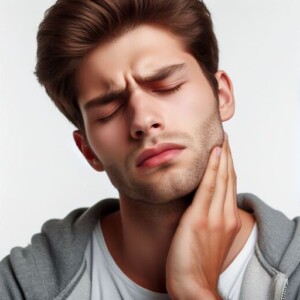
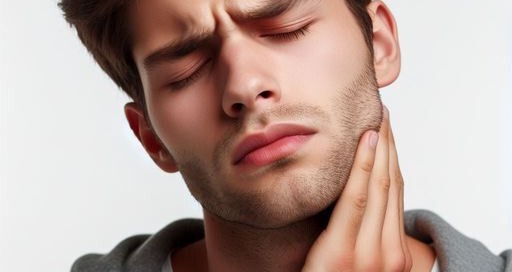
There are at least five causes of pain after a filling, says a leading dentist.
There are a number of causes for pain after getting a filling, besides the expected discomfort or soreness from the anesthetic needle injection itself, and perhaps from keeping the mouth stretched open during the procedure.
“Fillings are sometimes placed because a tooth is compromised. Part of the compromise may be visible, or seen only with an x-ray,” says Donald R. Tanenbaum, DDS, MPH, a board certified TMJ and orofacial pain specialist, and author of “Doctor, Why Does My Face Still Ache.”
Dr. Tanenbaum adds, “When a tooth is compromised its nerve may also be irritable, or become irritable after a filling is placed.”
That’s one possible cause of the pain.
The next, says Dr. Tanenbaum, is “when a deficit in an old filling is repaired, or a crack sealed, a previously non-symptomatic tooth may begin to hurt, prompting the patient to wonder if the dentist did something wrong.”
This is a common scenario: Patients indeed thinking that their dentist made a mistake somewhere.
However, Dr. Tanenbaum says, “Nothing was likely done wrong…a bigger problem just came to the surface.”
A third possible cause of pain is from a nerve in the tooth that’s inflamed or dying, and “may be more prominent after a filling has been placed.”
A fourth cause is “when decay is removed from a tooth, the nerve is partially exposed,” says Dr. Tanenbaum.
“There may be times when root canal therapy is recommended or a wait and see approach is offered to the patient.
In these scenarios, pain may arise in the tooth that is being watched; though there were good intentions, the outcome can lead to pain if the inevitable need for root canal therapy is put off.”
Finally, and nobody likes to hear this, but Dr. Tanenbaum says that there are rare occasions when the pain occurs for “no good reason.”
Maybe it’s from the cutting process during the filling procedure, or maybe the placement of the filling is behind the pain.
“There are actually a small percentage of patients who develop pain even after simple cleaning and the pain persists long after calming is expected.
“These problems likely relate to neural excitation and have an unexplained origin, but are more common in women and may relate to genetic factors that are now only being explored.”

Dr. Tanenbaum’s practice focuses on facial pain, TMJ disorder and sleep-related breathing disorders. He is the past president of the American Academy of Orofacial Pain and takes a multidisciplinary approach to his patients’ care.
 Lorra Garrick has been covering medical, fitness and cybersecurity topics for many years, having written thousands of articles for print magazines and websites, including as a ghostwriter. She’s also a former ACE-certified personal trainer.

Why Your Teeth Are So Sensitive After Getting Fillings

If your teeth are sensitive very soon after getting fillings, this is to be expected.
That’s because this naturally sensitive area of the mouth was manipulated by the dentist.
Some post-procedure soreness or sensitivity is quite normal — as long as it goes away fairly quickly.
However, what if this problem persists for days after the procedure?
What’s causing this?
“Fillings today are more commonly tooth colored and not the metal fillings that were traditionally placed years ago,” says Donald R. Tanenbaum, DDS, MPH, a board certified TMJ and orofacial pain specialist, and author of “Doctor, Why Does My Face Still Ache.”
Dr. Tanenbaum explains, “In the placement process of tooth colored (resin) fillings, there are a number of steps that may cause transient sensitivity.
“This can include the chemical agents that allow for bonding (adhesion) of the resin to the tooth, the drying of the tooth before the filling is placed, and the trauma to the tooth that occurs when cutting the preparation.
“These factors can produce short-term sensitivity of a couple of days and are commonplace.
“Also, a filling that is left a bit high can produce some sensitivity, especially when exposed to cold fluids. This will resolve when the filling is adjusted.”
In the meantime to avoid the discomfort, you should eat soft foods and avoid cold foods (even if they’re soft), and also stay away from foods that are typically piping hot like soup, rice, pizza or other hot cheesy foods, and coffee from a fast-food diner.
Dr. Tanenbaum’s practice focuses on facial pain, TMJ disorder and sleep-related breathing disorders. He is the past president of the American Academy of Orofacial Pain and takes a multidisciplinary approach to his patients’ care.
Lorra Garrick has been covering medical, fitness and cybersecurity topics for many years, having written thousands of articles for print magazines and websites, including as a ghostwriter. She’s also a former ACE-certified personal trainer.
.
Top image: Freepik/wayhomestudio

Face and Jaw Pain Relief with Three Neck Exercises

These three neck exercises for facial and jaw pain come from Donald R. Tanenbaum, DDS, MPH, a board certified TMJ and orofacial pain specialist, and author of “Doctor, Why Does My Face Still Ache.”
Neck Exercise 1
Goal: Gentle stretch of upper neck muscles
Sit in a chair with your feet on the floor. Anchor your right hand under the chair.
Turn your head to the left and place your left hand on the back of your head.
Pull your head down, towards your left shoulder with gentle force.
Turn your nose into your armpit for increased stretch of the trapezius muscle. Hold 3-4 seconds. Relax.
Reverse the exercise and repeat on the other side. Repeat 10 times on each side.
Neck Exercise 2
Sit in a chair with your feet on the ground. Anchor your right hand under the chair.
Turn your head to the left and place your left hand across your left temple.
Gently pull backwards stretching your lateral neck muscle (sternocleidomastoid). Hold 3-4 seconds. Repeat 10 times. Reverse directions to stretch the opposite side.
Neck Exercise 3
Clasp your hands over your head, and pull your head down gently, chin to chest. Hold 5 seconds. Release. Repeat 10 times.
Remember to breathe throughout all of these exercises. You should not feel any pain as you move through the routines.
Posture is important.
“Though we do not feel that abnormal posture as an independent factor is responsible for the onset for persistent facial pain problems (just like bruxism often occurs without pain symptoms developing), it must be considered a risk factor when coupled with ‘a brain under siege,’” says Dr. Tanenbaum.
What he means by “brain under siege” is that which occurs to the brain when a person is overwhelmed with stress, anxiety or anger – literally letting negative emotions get the best of them.
Stress produces tangible effects to the brain and body, and the brain and body are intimately connected.
“Home programs to address postural strains can provide relief when routinely practiced,” says Dr. Tanenbaum.
Dr. Tanenbaum’s practice focuses on facial pain, TMJ disorder and sleep-related breathing disorders. He is the past president of the American Academy of Orofacial Pain and takes a multidisciplinary approach to his patients’ care.
Lorra Garrick has been covering medical, fitness and cybersecurity topics for many years, having written thousands of articles for print magazines and websites, including as a ghostwriter. She’s also a former ACE-certified personal trainer.
Can Dark Green Stools Come from Microscopic Colitis?
Could those eerie-looking dark green poops be the result of microscopic colitis, an uncommon inflammatory bowel disease?
I had a bout with microscopic colitis in 2010, and during that time, my stools occasionally were a dark green.
“Because MC diarrhea is associated with fast transit — it could cause green watery stool,” says John E. Pandolfino, MD, Director of the Esophageal Center, Northwestern Memorial Hospital, and Associate Professor, Division of Gastroenterology at Northwestern University.
“However, it is usually very watery and should not have blood associated with it.”
Light and Medium Green Stools
These are the result of fast transit through the GI tract, and of course, fast transit occurs with microscopic colitis.
However, there is another likely cause if the color of your stools is a dark green.
I noticed that this, during my bout with MC, was associated with very recent consumption of spinach.
Upon close examination of my stools, I noted that they were intertwined with fragments of spinach.
I know this sounds really gross, but — think of this as good news, because this occurrence is totally harmless.
So yes, viewing this may not be for the faint of heart, but if you have microscopic colitis, it’s important to embrace studying what comes out of you so that you can learn about your body and be familiar with what seems normal and what seems abnormal.
Sometimes BMs take on the color, or tinge, of food that was recently eaten, and green foods such as spinach and asparagus are no exception to this.
Microscopic colitis is a chronic inflammatory bowel condition causing watery, non-bloody diarrhea, primarily in older adults.
It includes two subtypes: collagenous colitis and lymphocytic colitis, distinguished by microscopic changes in colon tissue.
The colon of someone with MC appears normal during colonoscopy, requiring biopsy for diagnosis.
Treatment often involves anti-inflammatory drugs like budesonide, with most patients responding well and achieving symptom control.
However, many patients report remarkable improvement by a change in diet, which includes learning which foods can trigger episodes of diarrhea and then eliminating those foods.
You don’t have to eliminate foods such as spinach just because they’re coloring your bowel movements dark green. Again, this is nothing to be concerned about.
 Dr. Pandolfino’s practice covers a wide gamut of GI disorders including GERD, Barrett’s esophagus, benign and malignant tumors, swallowing disorders and esophageal disorders.
Lorra Garrick has been covering medical, fitness and cybersecurity topics for many years, having written thousands of articles for print magazines and websites, including as a ghostwriter. She’s also a former ACE-certified personal trainer.
Top image: Shutterstock/ShutterOK
Can Mental Stress Cause Microscopic Colitis?

Let’s take a close look at whether or not mental stress can actually trigger a bout with microscopic colitis.
To find out if stress of the mental kind can cause microscopic colitis, I consulted with John E. Pandolfino, MD, Director of the Esophageal Center, Northwestern Memorial Hospital, and Associate Professor, Division of Gastroenterology at Northwestern University.
In 2010 and out of the blue (seemingly), I developed microscopic colitis (diagnosed via colonoscopy). Never before had I ever had any GI problems.
“The cause of microscopic colitis is unknown,” says Dr. Pandolfino. “However, it is associated with many different medications, such as NSAIDS and proton pump inhibitors.”
I had not been taking any NSAIDS or any medications for that matter. In fact, I had not taken any medications in the 12 months preceding my first day with microscopic colitis.
Dr. Pandolfino continues, “There is also an idiopathic form which means we are not sure what is causing the microscopic colitis — and it may be related to an autoimmune process or a hard to detect infection.”
Maybe this was why I developed MC, but to this day, I stand firm in my layperson’s conviction that it is NO coincidence that six and a half weeks prior to this condition, I received devastating news that turned my life upside down, and for the next six and a half weeks, lived in a state of extreme anxiety and stress unlike anything I’d ever experienced.
I also knew, though I was in denial, that there would be no resolution to the tumultuous circumstance that began six and a half weeks earlier.
So I have to always wonder if the emotional distress jangled things up in my GI tract, since emotions and GI function are intimately linked.
Dr. Pandolfino says, “Stress can make symptoms of microscopic colitis worse, as it can cause an IBS-like pattern on top of the MC and thus, stress reduction may help improve all GI symptoms.”
I did not have pre-existing microscopic colitis. The sudden-onset, watery and painless diarrhea had a very distinct appearance.
Plus, when my stools were more-formed during this time, they took on a strange appearance that I’d never before seen, not to mention that throughout the night, I’d feel “churning” in my stomach and was parched.
Getting up at 2 a.m., then at 5 a.m., to have diarrhea, was not normal for me.
And I’d have diarrhea soon after eating many meals; it was as though what went in, was now suddenly coming out in the form of creepy looking stools. (The upside? I knew that two killer brownies at one sitting would go right through me.)
Where did all of this come from? Stress?
Microscopic colitis has not received much research attention because it’s benign and not too common.
It’s really not known just how much of a role that stress plays with microscopic colitis.
Large-scale, objective studies concerning stress and microscopic colitis are actually difficult to carry out.
There have been a small number of studies seeking a connection between mental stress and microscopic colitis, and these have not shown a correlation.
The closure to the very stressful event in my life occurred two days before my colonoscopy.
Because my mind was all messed up due to the stress, I couldn’t shake the possibility of colon cancer as the cause of “something going on in my intestines.”
So between dealing with the mental stress and fear of colon cancer, I developed a second issue: a continuous cough.
Every several minutes I had to cough. Plus, speaking after being silent would trigger the coughing.
At the conclusion of the colonoscopy, the doctor said everything looked normal (MC was later confirmed from the tissue sample he had extracted). Upon sitting up in the exam room, I realized that the cough had outright disappeared.
Over the next 5-6 weeks, the signs of microscopic colitis dissipated and have never returned.
So, can mental stress cause microscopic colitis? A definitive answer to this question has yet to be determined.
Dr. Pandolfino’s practice covers a wide gamut of GI disorders including GERD, Barrett’s esophagus, benign and malignant tumors, swallowing disorders and esophageal disorders.
Lorra Garrick has been covering medical, fitness and cybersecurity topics for many years, having written thousands of articles for print magazines and websites, including as a ghostwriter. She’s also a former ACE-certified personal trainer.
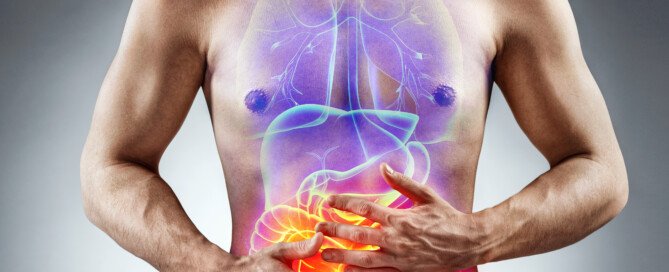
Can Dark Green Stools Be Caused by IBS?
Many irritable bowel syndrome sufferers wonder if their dark green stools are related to their IBS.
Do you have IBS (irritable bowel syndrome) and are wondering if the dark green color of your stools is connected to this puzzling GI condition?
“The color of stool is predominantly determined by what you eat and the bile you produce,” says John E. Pandolfino, MD, Director of the Esophageal Center, Northwestern Memorial Hospital, and Associate Professor, Division of Gastroenterology at Northwestern University.
“Green stool can be caused by a number of things, and most of them are benign and will resolve.”
So if the dark green color of your stools has had you worried, you now realize that this is most likely a harmless occurrence, especially if you have irritable bowel syndrome.
Dr. Pandolfino continues, “Theoretically, the stool becomes more green when bowel transit is a little too fast, and this can occur in diarrhea-predominant IBS.”
In addition to IBS-D, the following can cause bowel transit to speed up:
- Infection
- Food intolerances
- Anxiety or stress
- Excess caffeine
- Artificial sweeteners
- Inflammatory bowel disease
Dr. Pandolfino’s practice covers a wide gamut of GI disorders including GERD, Barrett’s esophagus, benign and malignant tumors, swallowing disorders and esophageal disorders.
Lorra Garrick has been covering medical, fitness and cybersecurity topics for many years, having written thousands of articles for print magazines and websites, including as a ghostwriter. She’s also a former ACE-certified personal trainer.
.
Top image: Shutterstock/RomarioIen
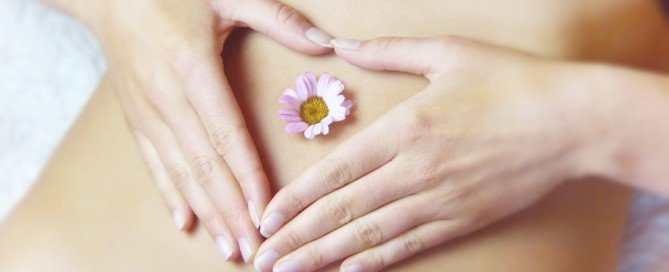
Can Belly Button Pain Be Caused by IBS?
If you have what seems like belly button pain, and have been diagnosed with IBS (irritable bowel syndrome), could there be a connection?
Some people have belly button pain, and some people have irritable bowel syndrome.
And, some people have both pain “in” or near the belly button, and irritable bowel syndrome.
Belly Button Pain Caused by IBS
“Pain is a common problem in IBS, and it is usually poorly defined and not very well-localized,” says John E. Pandolfino, MD, Director of the Esophageal Center, Northwestern Memorial Hospital, and Associate Professor, Division of Gastroenterology at Northwestern University.
“It would be uncommon to have a localized pain exactly at the umbilicus/belly button, and one should have a hernia ruled out if this symptom is significant.”
Here is another thought, if you have irritable bowel syndrome and also belly button pain …
Could it be possible that your IBS has made your abdomen bloated or caused it to be swelled up, and this extra girth is pressing against the metal button of your jeans?
This would happen especially while you’re sitting, and that metal has been digging into your skin long enough to cause soreness or irritation there, creating the illusion that the pain is coming literally from your belly button – when in fact, it’s from pants that are a bit too tight.
Maybe you’ve gained weight, and this explains the tightness as well.
Dr. Pandolfino’s practice covers a wide gamut of GI disorders including GERD, Barrett’s esophagus, benign and malignant tumors, swallowing disorders and esophageal disorders.
Lorra Garrick has been covering medical, fitness and cybersecurity topics for many years, having written thousands of articles for print magazines and websites, including as a ghostwriter. She’s also a former ACE-certified personal trainer.

How Does IBS Cause Vomit to Be Green?

Do you have irritable bowel syndrome and have recently vomited, noticing a greenish color to what came out of you?
Sometimes, a person with irritable bowel syndrome will vomit and notice that there is a greenish tinge to the regurgitated contents.
Though vomiting isn’t the most common problem associated with IBS, it definitely happens to some sufferers of this ailment.
But just because you have irritable bowel syndrome doesn’t mean that the color of your vomit is related to the condition.
Nevertheless, when people see green emptying out of their mouth, this can alarm some of them.
One may be used to seeing vomitus that’s the color of thousand island dressing.
Green Vomit Isn’t Serious
The color of green in one’s vomitus is not a possible sign of a serious disease, thank goodness. So relax.
Green is never a sinister thing to come out of the mouth unless it’s toxic paint that you had swallowed.
What’s much more concerning is if you see what appears to be blood in your vomit.
Blood may appear fresh (red) or old (brown or black, particularly like coffee grounds).
Irritable bowel syndrome does not cause a person to upchuck blood.
IBS Can Cause Vomiting
“Some patients with IBS have vomiting — and the vomit usually contains food if you have just eaten, but can also contain bile which is green and can be found in the stomach,” says John E. Pandolfino, MD, Director of the Esophageal Center, Northwestern Memorial Hospital, and Associate Professor, Division of Gastroenterology at Northwestern University.
Green vomit may also be independent of your irritable bowel syndrome.
It can result from having eaten foods of this color.
These can be leafy vegetables (spinach, kale) or foods with green food coloring.
Bile is a digestive fluid produced by the liver; bile aids in digestion.
If the vomiting is forceful enough, bile can back up into the stomach, resulting in green or yellowish-colored vomit.
While green vomit can sometimes be related to what you’ve eaten, it’s important to consider other factors like stomach infections, gastrointestinal issues or bile reflux.
If you have any other symptoms such as unexplained abdominal cramping or a fever, get yourself checked out by a doctor.
Dr. Pandolfino’s practice covers a wide gamut of GI disorders including GERD, Barrett’s esophagus, benign and malignant tumors, swallowing disorders and esophageal disorders.
Lorra Garrick has been covering medical, fitness and cybersecurity topics for many years, having written thousands of articles for print magazines and websites, including as a ghostwriter. She’s also a former ACE-certified personal trainer.
.
Top image: ©Lorra Garrick
Can Your Swollen Stomach Be Caused by IBS?

Irritable bowel syndrome is diagnosed only after all other causes of your symptoms are ruled out; can a swollen belly be caused by IBS?
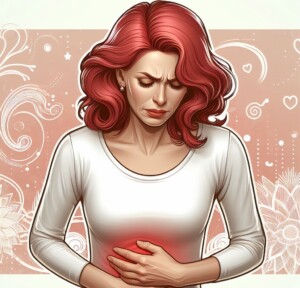
If you have irritable bowel syndrome, you may have noticed that your stomach is swelling or has become bloated.
“IBS can be associated with bloating, and this may be related to slow bowel transit and possibly bacterial overgrowth,” says John E. Pandolfino, MD, Director of the Esophageal Center, Northwestern Memorial Hospital, and Associate Professor, Division of Gastroenterology at Northwestern University.
“The bacteria break down food and create gas which can distend the stomach.”
To help remedy this problem, include “live culture bacteria” yogurt and/or kefir in your diet. The “good” bacteria will help balance out the “bad” bacteria in your intestines.
If you have not been diagnosed with IBS but have noticed that your stomach is looking a little swollen lately, don’t automatically assume that this is new-onset IBS.
A swollen or bloated abdomen can have other causes.
Serious Cause of a Swollen Stomach
Excess fluid in the abdominal cavity is called ascites (pronounced uh-sight-eez). This never has a harmless or innocuous cause.
The causes of ascites include liver disease, kidney disease, congestive heart failure or ovarian cancer.
With these serious causes of the fluid retention, there will likely be other troubling symptoms that you became aware of before you began noticing the increasing size of your abdomen.
Other Causes of a Growing Belly
Did you take a home pregnancy test? All it takes is one intimate episode, even if both you and your partner were on birth control. The only 100 percent effective birth control is abstinence. Plus, a home pregnancy test can yield a false negative.
You may also simply be gaining excess fat.
If you have an official irritable bowel syndrome diagnosis and are noticing a new swelling or bloating in your abdomen, don’t make assumptions. See your doctor.
Dr. Pandolfino’s practice covers a wide gamut of GI disorders including GERD, Barrett’s esophagus, benign and malignant tumors, swallowing disorders and esophageal disorders.
Lorra Garrick has been covering medical, fitness and cybersecurity topics for many years, having written thousands of articles for print magazines and websites, including as a ghostwriter. She’s also a former ACE-certified personal trainer.
Top image: Shutterstock/Chinnapong

Why Does IBS Cause Tiny Pieces of Pebbly Poop?
If you have irritable bowel syndrome, you may have noticed that sometimes your stools fill the toilet bowl like a mound of pebbles.
What can pebbly stools mean, at least if you have IBS?
“Stools can look like pebbles when you have slow bowel transit because the water will dry the stool out,” says John E. Pandolfino, MD, Director of the Esophageal Center, Northwestern Memorial Hospital, and Associate Professor, Division of Gastroenterology at Northwestern University.
“Sometimes you can also have small pellets from diverticulosis as the fecal material that was sitting in the diverticulum is passed.”
Stools in many small pieces do not mean you might have a serious disease.
In fact, I myself had stools coming out in many small pieces, like pebbles, when I had a microscopic colitis flare.
Dr. Pandolfino’s practice covers a wide gamut of GI disorders including GERD, Barrett’s esophagus, benign and malignant tumors, swallowing disorders and esophageal disorders.
Lorra Garrick has been covering medical, fitness and cybersecurity topics for many years, having written thousands of articles for print magazines and websites, including as a ghostwriter. She’s also a former ACE-certified personal trainer.
.