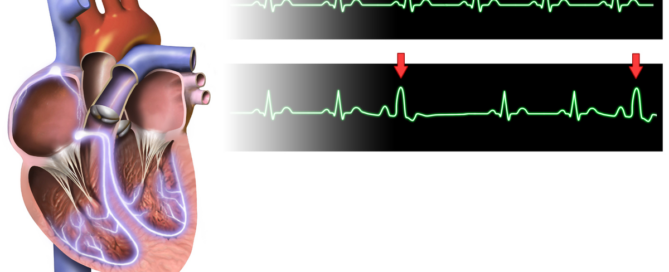
PVCs: Frequency Per Minute, Hour, Day, Dangers
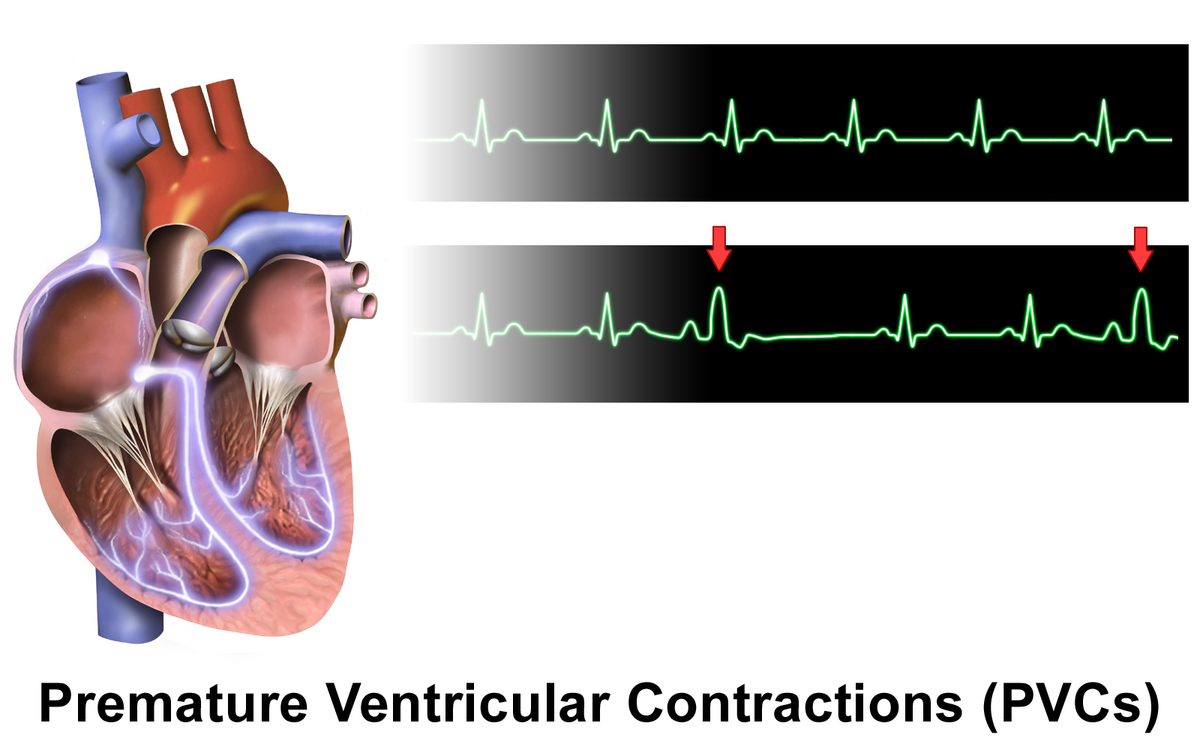
This is all about premature ventricular contractions (PVCs) as far as frequency and what REALLY matters as far as if they mean harm.
At my mother’s pacemaker evaluation, it was determined that over the preceding six months (the pacemaker keeps a record), she’d had five-thousand and something PVCs.
The pacemaker nurse told her this information with the same level as nonchalance as if she stated, “In the past six months I’ve seen a thousand patients.”
Is there a point, a cut-off value, after which the number of PVCs in one day should be of concern?
PVCs “recur throughout life; I think most people probably get them regardless of whether they are recognized,” says cardiologist David N. Smith, MD, a board certified cardiologist with Premier Cardiovascular Care and Wellness in SC.
“There is no specific cut-off. There are no specific numbers of PVCs that would alert someone to risk of danger.
“However, if PVCs were recurrent significantly or incessantly, particularly if they made one feel lightheaded or nearly passing out, a doctor’s advice should be sought. Medication may be suggested.”
Is there a correlation between number of PVCs per day (as confirmed with a monitor) and whether or not they mean something dangerous?
“The number PVCs do not implicate more or less danger or risk,” says Dr. Smith.
“However, incessant PVCs over years may lead to concerns about a weakening heart function. If the PVCs were ongoing for years and exercise tolerance is also bundling, consider a cardiology evaluation.”
Is the total per day or hour of premature ventricular contractions not relevant?
“The number PVCs per day is not, by themselves, risky,” says Dr. Smith. “The sensation of PVCs are the bigger concern.”
This so-called cardiac awareness can be troubling for many people, and it’s why they seek medical attention.
Cardiac awareness can be very distracting, not to mention frightening.
Treatment is designed to minimize this awareness or discomfort. However, says Dr. Smith, “This does not implicate a life threat.”
What’s meant by “frequent PVCs”?
“Having a PVC or 2/min is relatively infrequent or occasional. More than that we would consider frequent. If these occur, they typically can last days at a time.”
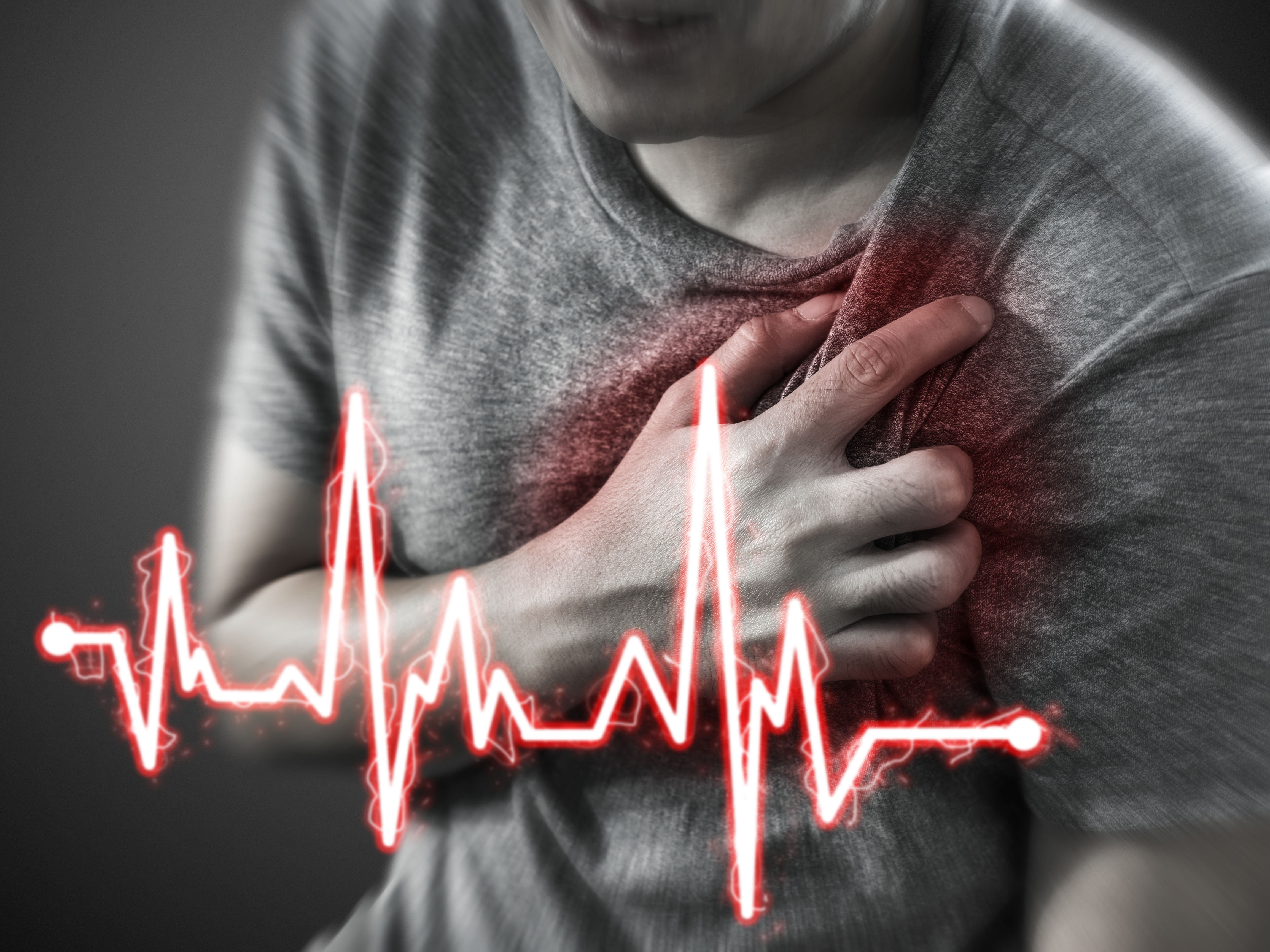
Premature ventricular contractions are NOT a risk factor for heart attack.
Reducing Heart Attack Risk
Lose Excess Body Fat

Freepic/lyashenko
Avoid Trans Fats
Watch Sodium Intake

Restrict Processed Foods

Shutterstock/Altagracia Art
Don’t Smoke

©Lorra Garrick
Control Blood Pressure

Freepik.com
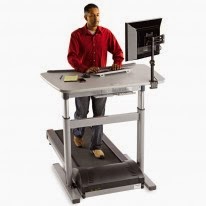
Use a Treadmill Desk to Reduce Daily Sitting Time
Practice Good Sleep Habits

Freepik/gpointstudio
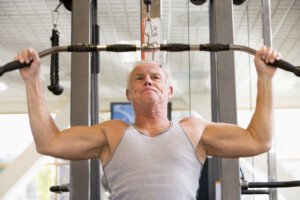
Do Intense Strength Training
Shutterstock/Monkey Business Images

Shutterstock/ Phase4Studios

Dr. Smith is a published author, national lecturer and Yale-trained physician-scientist certified by the American Board of Internal Medicine in Cardiovascular Disease. From his basic science background combined with advanced clinical research training at the Columbia Mailman School of Public Health, he brings an integrated holistic approach to cardiovascular medicine.
 Lorra Garrick has been covering medical, fitness and cybersecurity topics for many years, having written thousands of articles for print magazines and websites, including as a ghostwriter. She’s also a former ACE-certified personal trainer.
.
Top image: BruceBlaus/CreativeCommons
Irregular Heartbeat vs. Twitching Muscle in Chest: Comparison
PVCs for Two Minutes Straight: Does this Mean Heart Problem?

Premature Ventricular Contractions after Pregnancy, During Exercise

Did you recently have a baby, have resumed your exercise routine, but are now experiencing frightening PVCs?
A PVC is a premature ventricular contraction that makes it feel as though your heart is either skipping a beat or adding an extra beat in between beats.
In a PVC, the heart’s ventricles contract earlier than usual.
PVCs are often felt as a fluttering or pounding in the chest.
They can occur in people with or without heart disease and are usually benign, especially if infrequent.
But what about new-onset PVCs during exercise, after a pregnancy?
Cause of PVCs During Exercise Soon After Giving Birth
“The PVCs and women getting back in exercise after having a baby may reflect hormone changes,” says cardiologist David N. Smith, MD, a board certified cardiologist with Premier Cardiovascular Care and Wellness in SC.
“There is some evidence that suggests fluctuations in estrogen may alter the heart’s underlying rhythms; however, the fluid shifts that occur after delivery as well as the relative deconditioning may better explain premature ventricular contractions.”
For optimal health and fitness, a woman should make exercise a part of her life; there’s never a perfect time to begin a fitness regimen. Just do it.
Don’t wait till you lose weight to work out, and that includes strength training.
A lean body is NOT a requirement for pressing dumbbells and lifting kettlebells, nor is it a requirement for doing aerobic activities.

PexelsMart Production
Consult with your OBGYN for exercise guidelines during the postpartum period.
But keep in mind that pregnant women can exercise, but should be guided by their OBGYN.
Housework and taking care of babies and kids should never count as exercise — whether a woman is expecting or not.
One reason for this is because housework and caring for babies often come with a component of stress and/or anxiety.
Furthermore, housework and caring for babies comes with favoring the less dominant side of the body.
This can cause muscle imbalances and strained muscles.
But structured, methodical exercise can easily be done equally to both sides of the body, and this bilateral nature helps reset or prevent any imbalances from non-structured physical activity.
Exercise should be done with focus, good form and proper breathing.
For example, kettlebell swings will do so much more for the human body than will pushing a vacuum cleaner, and won’t come with the stress of “Oh, this dirty house!”

Shutterstock/The Faces
Greater fitness can mean a stronger, more efficient heart, which can reduce the frequency and impact of premature ventricular contractions.
Regular exercise strengthens the heart muscle and improves overall cardiovascular health, which can help blunt worries about irregular heartbeats.
Even if you’ve recently given birth, maintaining a fitness routine — once cleared by your physician — can support heart health and potentially lessen the occurrence of PVCs.
Dr. Smith is a published author, national lecturer and Yale-trained physician-scientist certified by the American Board of Internal Medicine in Cardiovascular Disease. From his basic science background combined with advanced clinical research training at the Columbia Mailman School of Public Health, he brings an integrated holistic approach to cardiovascular medicine.
 Lorra Garrick has been covering medical, fitness and cybersecurity topics for many years, having written thousands of articles for print magazines and websites, including as a ghostwriter. She’s also a former ACE-certified personal trainer.
PVCs After Exercise: How Soon After Do They Count?
A cardiologist explains PVCs (premature ventricular contractions) that occur after exercise: how soon after do these matter; is there a cut-off point?
If someone has PVCs in the minute after stopping the exercise but not beyond a minute, does this count as “PVCs after exercise”?
“Yes, it does count as a PVC after exercise,” says cardiologist David N. Smith, MD, a board certified cardiologist with Premier Cardiovascular Care and Wellness in SC.
“But it does not necessarily imply significant risk without incessant or repeated runs, drop in blood pressure, passing out or having a significantly compromised heart.”
I’ve noticed that questions about PVCs occurring after exercise are fairly common in online health communities, so hence, my two questions here have some degree of overlap. So the next question then is:
What if someone has some PVCs 45 minutes after exercise?
Dr. Smith explains, “There should be no significant risk from PVCs alone. Irrespective of the time after exercise, PVCs don’t imply a risk unless there is some significant compromise to the person’s well-being (becoming lightheaded, dizzy or passing out), physical status or underlying heart function.”
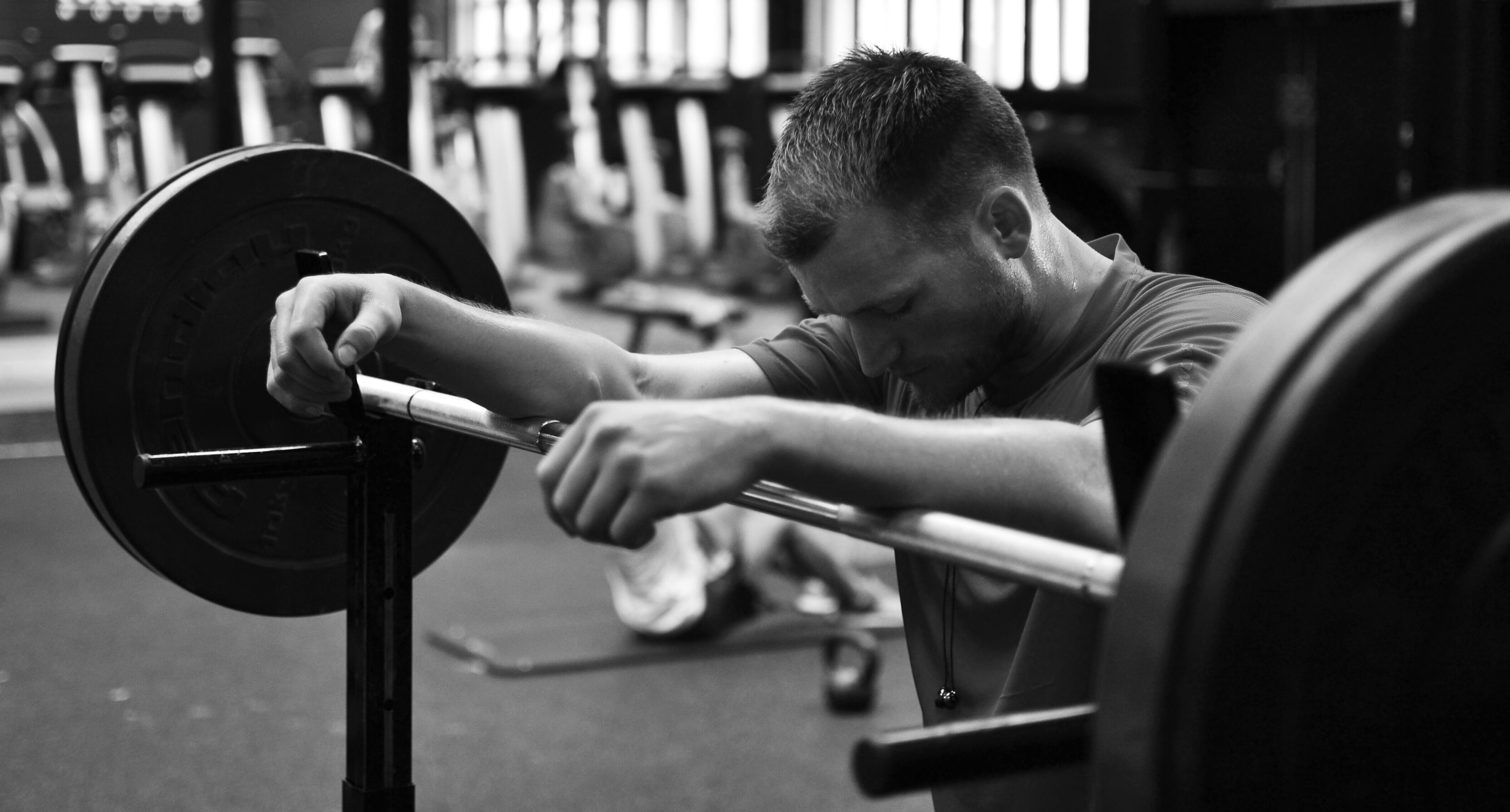
If you’ve been noticing PVCs (premature ventricular contractions) soon after exercise as well as immediately after (slowing down on the treadmill, putting the barbell down, having a seat in the locker room, etc.), there is nothing to worry about if this is your only experience.
Note the signs for something to alert your doctor to:
1 Incessant runs
2 Dizziness and/or a previously diagnosed heart condition
3 Blacking out or feeling faint
Dr. Smith is a published author, national lecturer and Yale-trained physician-scientist certified by the American Board of Internal Medicine in Cardiovascular Disease. From his basic science background combined with advanced clinical research training at the Columbia Mailman School of Public Health, he brings an integrated holistic approach to cardiovascular medicine.
Lorra Garrick has been covering medical, fitness and cybersecurity topics for many years, having written thousands of articles for print magazines and websites, including as a ghostwriter. She’s also a former ACE-certified personal trainer.

How Often Do Heart Attacks Come After PVCs?

Do your premature ventricular contractions (PVCs) keep making you think that they mean a heart attack is coming?
There are some people for whom, no matter how many premature ventricular contractions they experience, and no matter what span of time these episodes have occurred (even years), they struggle with the same fear every single time a PVC occurs: “Will THIS be the one that causes a heart attack?”
For such individuals, which include those in their 20s, the millionth PVC is just as fear-inducing as the ones they had five years ago.
Each episode “resets” you to that baseline fear of a heart attack about to happen.
Here is good news: You do NOT have to live this way!
Is there any data on the percentage of heart attacks that are preceded by PVCs?
“Unfortunately there is no data to determine which percentage of heart attacks were preceded by PVCs,” says David N. Smith, MD, a board certified cardiologist with Premier Cardiovascular Care and Wellness in SC.
“This data will be limited by those who survived. Recall-bias, or the ability to remember what occurred during the event, also limits reporting.
“Nonetheless, PVCs are not considered a precursor to heart attack. Nor do PVCs reflect a recent heart attack or heart damage.”
Don’t Let PVCs and Fear of a Heart Attack Ruin Your Life
Dr. Smith says that premature ventricular contractions can occur in a normal heart but also a damaged heart (the damage being from something unrelated to PVCs).
“In and of themselves, the presence of PVC is not risky,” he says, and are not a crystal ball into whether or not a person is likely to suffer a heart attack.
“Many who have had heart attacks also get PVCs, and that may reflect a damaged heart,” says Dr. Smith.
“But the PVCs will not have been in the foretelling symptom, only a coincidental finding.”
If this isn’t clear, think of it this way: A person has a heart attack. It’s discovered there’s scar tissue (from past viral infection) on the cardiac muscle.
But this doesn’t mean that the scar tissue caused the heart attack.
However, the scar tissue reflects damaged cardiac tissue. It’s a coincidental finding.
“At some point, nearly everyone experiences PVCs. They are more of a reflection of the balance between the underlying adrenaline levels in the heart’s sensitivity.”
Dr. Smith is a published author, national lecturer and Yale-trained physician-scientist certified by the American Board of Internal Medicine in Cardiovascular Disease. From his basic science background combined with advanced clinical research training at the Columbia Mailman School of Public Health, he brings an integrated holistic approach to cardiovascular medicine.
Lorra Garrick has been covering medical, fitness and cybersecurity topics for many years, having written thousands of articles for print magazines and websites, including as a ghostwriter. She’s also a former ACE-certified personal trainer.
.
Top image: ©Lorra Garrick

Can Insomnia Increase PVCs (Premature Ventricular Contractions)?

Are you losing sleep over the worry that insomnia can increase the frequency of premature ventricular contractions (PVCs)?
There can be a connection between premature ventricular contractions and insomnia because lack of sleep can cause a surge of adrenaline, says cardiologist David N. Smith, MD, a board certified cardiologist with Dynamic Health in Charlotte, NC.
This causes stress and agitation to the heart muscle.
“The heart then skips a beat felt as a palpitation but reflective of muscle twitching or premature contractions,” says Dr. Smith.
Insomnia often results from excessive worrying.
You lie down in bed for the night, and your mind becomes swamped with all of the stressors in your life — perhaps things that happened to you earlier in the day, or maybe all the tasks you must complete or start on the next day.
So you can’t fall asleep because you keep re-enacting the day’s earlier stressful events, including how you should have handled them, and/or, you’re envisioning the next day’s stressors and what the outcome might be.
This anxiety shakes up the body and incites a “fight or flee” hormonal environment.
Problem is, you can’t fight or flee while lying in bed. Instead, you’re trying to get to sleep.
The inability to fall asleep compounds the stress. Don’t be surprised, then, if you start feeling palpitations or PVCs.
Another consideration is this: Insomnia is frequently caused by stress, and so are PVCs.
They may occur together but not necessarily have a cause-and-effect relationship.
To help relieve insomnia and PVCs, don’t go to bed without first creating a “to-do” list for the next day, complete with any phone numbers and names of contacts whom you must do business with or interact with.
If you intend on visiting websites, have them already bookmarked.
Have your breakfast already prepared as much as possible (e.g., fruit washed and set out for the smoothie).
Have next-day’s clothes laid out and shopping list made, etc. Don’t eat close to bedtime; have your last fluid intake three hours before, if possible, so that you’re not awakened by nature’s calling.
If you have a clock radio, set it to a favorite station to turn off in 30 minutes.
Then get into bed and clear your mind. This will help reduce insomnia and premature ventricular contractions.
Dr. Smith is a published author, national lecturer and Yale-trained physician-scientist certified by the American Board of Internal Medicine in Cardiovascular Disease.
Lorra Garrick has been covering medical, fitness and cybersecurity topics for many years, having written thousands of articles for print magazines and websites, including as a ghostwriter. She’s also a former ACE-certified personal trainer.
.
Top image: ©Lorra Garrick
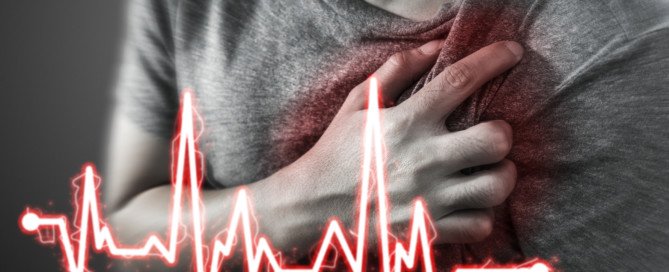
Zero Calcium Score & Normal Heart Structure but with PVCs?
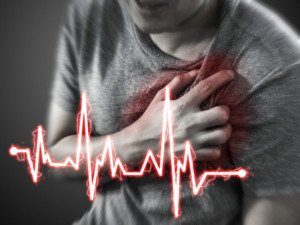
What does it mean when you have premature ventricular contractions (PVC’s) but also a zero calcium score and normal heart structure?
Can the presence of the PVC’s still be indicative of something bad?
I asked this question to cardiologist David N. Smith, MD, a board certified cardiologist with Premier Cardiovascular Care and Wellness in SC.
Dr. Smith explains as follows, “The risk from PVC’s are related to risk of a heart rhythm abnormality that makes it difficult for blood flow and, in certain families, elevates the risk that the electrical system of the heart will become chaotic.”
In other words, the presence of PVC’s, whether you have a zero calcium score or not, becomes relevant if you already have a heart rhythm abnormality or are at risk for an arrhythmia.
This is not related to blockages in the coronary arteries, which is what the calcium score test looks for (hardened or calcified plaque deposits).
Dr. Smith continues, “This risk is different than the risk portended by a calcium score, which indicates risk of blocked arteries leading to heart attacks. In this light, the two are unrelated.
“The calcium score that is very high, however, may reflect ongoing atherosclerotic disease that secondarily lead to electrical system abnormalities manifested as PVC’s.”
Calcium Scoring
Calcium scoring is a diagnostic test performed using a CT scanner to evaluate the amount of calcium in the coronary arteries, which can indicate the presence of hard, stable plaque.
The procedure is quick, typically taking about 15 minutes.
During the test, you lie still on a table while the CT scanner captures detailed images of your heart’s arteries.
These images help assess the extent of calcium buildup, which can be a marker for coronary artery disease.
However, it’s important to note that calcium scoring only detects hard, stable plaque and does not reveal soft or unstable plaque, which can also contribute to cardiovascular risk.
This test is useful for assessing coronary heart disease risk and guiding further evaluation or treatment.
Ironically, some people, the idea of lying inside a scanner (especially one that emits radiation) that looks inside the heart’s arteries can be enough to induce premature ventricular contractions on the spot from anxiety alone.
You can ask the technician if they have any anxiety-relieving objects you can hold onto during the procedure.
Dr. Smith is a published author, national lecturer and Yale-trained physician-scientist certified by the American Board of Internal Medicine in Cardiovascular Disease. From his basic science background combined with advanced clinical research training at the Columbia Mailman School of Public Health, he brings an integrated holistic approach to cardiovascular medicine.
Lorra Garrick has been covering medical, fitness and cybersecurity topics for many years, having written thousands of articles for print magazines and websites, including as a ghostwriter. She’s also a former ACE-certified personal trainer.
.
Top image: Shutterstock/pickingpok

Caffeine Causing PVCs: Why, & How Long It Takes

Find out why caffeine causes premature ventricular contractions (PVCs) and how long after eating or drinking this substance it takes to make your heart “skip” beats.
How long after eating (or drinking a caffeinated beverage) does it take a high-caffeine food to cause PVCs?
“Caffeine effect on PVCs or palpitations is almost instant,” says cardiologist David N. Smith, MD, a board certified cardiologist with Premier Cardiovascular Care and Wellness in SC.
“Likely a few minutes from being absorbed after consuming, but palpitations (the sensation of PVCs) may last for 15 minutes to hours afterwards.”
Anticipating premature ventricular contractions when you’re about to drink coffee can actually trigger them, if your anticipation involves enough anxiety, since anxiety can cause these “palpitations.”
Why does caffeine cause PVCs in some people? Mechanism?
Dr. Smith explains, “This is a reflection of the underlying individual’s sensitivity. The effect of caffeine has a same effect in all hearts, but not everyone would be as sensitive.
“It is thought that caffeine acts on the heart’s cells through something called a receptor.
“Once that receptor is agitated, changes happen within the heart muscle cell, including a change in the flow of calcium that promotes contraction or twitching in just a few cells, rather than the entire heart. This leads to the premature twitch or contraction.”
Dr. Smith is a published author, national lecturer and Yale-trained physician-scientist certified by the American Board of Internal Medicine in Cardiovascular Disease. From his basic science background combined with advanced clinical research training at the Columbia Mailman School of Public Health, he brings an integrated holistic approach to cardiovascular medicine.
Lorra Garrick has been covering medical, fitness and cybersecurity topics for many years, having written thousands of articles for print magazines and websites, including as a ghostwriter. She’s also a former ACE-certified personal trainer.
.
Top image: Shutterstock/NOBUHIRO ASADA

What Gives Hair Its Natural Smell?
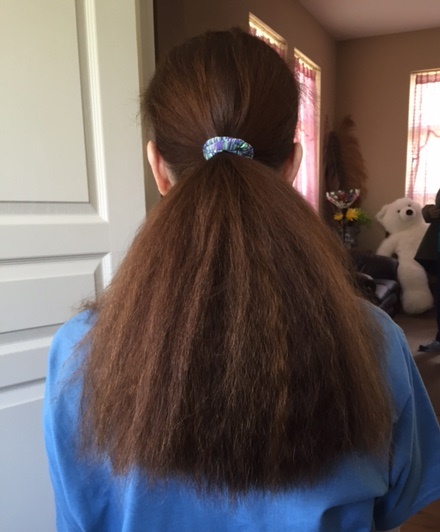
Here’s the explanation for why hair has a NATURAL scent or fragrance, rather than what causes a BAD smell.
This isn’t a “Why does my hair smell bad?” article. It’s a “What gives hair its natural smell?” article.
I asked this question to Dr. Robert Dorin, DO, NYC-based hair care expert and restoration specialist.
The Answer to What Gives Hair Its Natural Scent
“The scent that a human can detect is a result of the natural oils that our sebaceous glands secrete on the scalp and hair shaft itself, along with natural surface bacteria and perspiration,” explains Dr. Dorin.
This is why, no matter what shampoo or conditioner you use (they come with a variety of fragrances), your hair will essentially smell the same.
Right after a shampoo, the fragrance of the product will dominate or superimpose upon your hair’s natural smell.
Sniff your hair after a shampoo, when it’s dry, and you’ll still be able to detect its natural smell, but with the juxtaposition of the product’s fragrance. Next day, this superimposition won’t be as strong.
At some point (unless you shampoo daily), your hair’s smell will be 100 percent from the natural oils (plus surface bacteria/perspiration).
Some people think that hair’s natural smell comes from products you put on it.
However, as the products’ fragrance wears off, your hair’s natural scent always returns to the same smell.
I began noticing this myself with my hair when I was about 11 years old. It always has the same scent after the shampooing wears off, though fresh after a shampoo, I can detect the scent (from the natural oils) mixed in with the shampoo/conditioner.
Intuitively I’ve always known that “it’s from the natural oils.”
The natural scent varies in strength. Some days it’s stronger than others, and I can often smell it when I’m just sitting still at my computer or lying in bed.
Your hair’s natural scent, from its oils, should NOT be bad.

Freepik
When your scalp is healthy, free of a skin disease or infection, your hair’s natural smell should actually be pleasant. I describe mine as sweet.
Like fingerprints, the natural scent of one’s hair from its oils is unique.
If we had the noses of dogs, we’d be able to differentiate among a million heads of hair!
What goes on under the skin in the scalp isn’t the same as with the armpits, as far as causes of odor, which is why your scalp—even when you haven’t washed your hair for a while and are perspiring—won’t smell like your underarms.
But have you ever sniffed other peoples’ hair?
Some women sniff their young children’s hair, enjoying the result.
I once read of a woman who had no choice but to inhale her young son’s hair as they huddled squeezed together in the basement during a tornado. She described it as “sweet.”
I’ve sniffed boyfriends’ hair, and it was always a nice scent—from the natural oils, not from shampoos and other products.
The natural scent of your hair should be a fragrance, not an odor.
If it’s an “odor,” then there’s either a fungal infection, dermatitis or an influx of environmental particulates (like smoke, cooking fumes) adhering to hair shafts, accumulating dirt, grime and dead skin cells—and causing natural bacteria to proliferate and feed off of this accumulation.
But if we’re talking just the natural oil production of the sebaceous glands (the oil is called sebum), this should actually be a GOOD smell.
Natural oils are essential for good scalp health. The oil production begins beneath the skin surface. Each hair follicle has a sebaceous gland attached to it.
The oil gets onto the hair shaft, making its way above the skin surface.
The sebum makes its way down hair shafts when you run your fingers through your hair, rub or scratch your scalp, and especially when you brush or comb your hair; the natural oils get “spread” down the shafts, which is why your hair emits a sweet natural scent even at the tips.

Dr. Dorin of True & Dorin provides creative hair loss solutions, including advanced hair transplant techniques and the latest in regrowth technology, to ensure that his clients achieve their desired results.
Lorra Garrick has been covering medical, fitness and cybersecurity topics for many years, having written thousands of articles for print magazines and websites, including as a ghostwriter. She’s also a former ACE-certified personal trainer.

Soy Intolerance vs. Allergy, and IBS

There IS a difference between an soy intolerance and an actual allergy to this food, including how it relates to irritable bowel syndrome.
“It is important to differentiate soy allergy from soy intolerance,” explains Dr. Saad Habba, MD, an attending consultant physician at Overlook Medical Center in Summit, NJ.
“Soy allergy is a true immunological process that involves stimulation of immune response in the body and [the body] considers soy as basically a foreign object,” says Dr. Habba, a gastroenterologist.
“The body responds to this allergy like any other response and varies from simple symptoms such as abdominal bloating and discomfort, to rash and sometimes difficulty in breathing.
“The response is dependent upon the degree of reaction to soy, similar to any other allergen.
“Soy intolerance, on the other hand, does not involve a serious reaction to soy. In a sense, it would not cause any symptoms beyond abdominal bloating and discomfort.
“Unlike soy allergy, this never progresses to any complication beyond abdominal symptoms.”
Irritable Bowel Syndrome
Dr. Habba explains, “Soy intolerance is not very common and certainly is not as common as lactose intolerance, which can cause chronic diarrhea and abdominal discomfort in 10 percent of patients diagnosed with IBS.
“In general when one is treating symptoms of abdominal discomfort, bloating and diarrhea, one would first try to abstain from lactose-containing products before resorting to soy abstinence.
“If indeed soy intolerance is present, it would most likely be the cause for bloating, abdominal discomfort and diarrhea. It would not account for constipation or other symptoms of IBS.”
Thus, if you have IBS and are eating soy, chances are very high that your IBS symptoms are not being influenced by this, but by some other agent such as lactose or even mental stress.
 Dr. Habba pioneered the concept of IBS being a wastebasket diagnosis and collection of different entities rather than a true single medical condition. He’s been presented and published in 26 national and international medical journals and symposia.
Lorra Garrick has been covering medical, fitness and cybersecurity topics for many years, having written thousands of articles for print magazines and websites, including as a ghostwriter. She’s also a former ACE-certified personal trainer.
.
Top image: Freepik.com, jcomp

Does an IBS Attack Happen Suddenly or Slowly?

Here is information about the onset of an attack of irritable bowel syndrome.
“The onset of IBS symptoms is usually slow and ongoing for a prolonged period of time,” says Dr. Saad Habba, MD, an attending consultant physician (gastroenterologist) at Overlook Medical Center located in Summit, NJ.
Dr. Habba further explains, “Attacks do not come on acutely and do not behave as an ‘on and off’ switch. Accordingly, they may stay for days and sometimes weeks, particularly if the underlying precipitating factor is constantly introduced, such as lactose intolerance, sugar intolerance or stress.
“The association of stress and psychosomatic [physical symptoms worsened by mental stress] influences in IBS is well-documented — and may play an important role in the severity and length of symptoms.
“There is no set period as to when an episode usually occurs or disappears, as every person reacts differently to this condition.”
Mental Stress and IBS: Hand-in-Hand
IBS is now widely viewed as a gut-brain interaction disorder.
Research led by (Drossman et al, Gastroenterology, 2016) shows that people with IBS are more stress-responsive, and stressful life events are closely tied to symptom severity and persistence.
Stress and anxiety affect IBS in several ways.
Studies by Mayer et al (Nature Reviews Gastroenterology & Hepatology, 2015) explain that mental strain, pressure or worry alters gut motility, increases pain sensitivity and disrupts signaling between the brain and intestines.
This can can prolong symptom flares. Plus, daily stress or anxiety often precede symptom flare-ups in IBS.
Something Else to Consider
If you’ve never had any of these issues mentioned above, but then one day have a sudden onset of peculiar diarrhea that persists, don’t assume this is probably irritable bowel syndrome.
IBS has a great mimicker out there…
This happened to me, and even though a nurse thought it might possibly be a first-time attack of irritable bowel syndrome, it turned out to be a condition called microscopic colitis — which is frequently misdiagnosed as IBS due to a strong overlap of symptoms.
Dr. Habba pioneered the concept of IBS being a wastebasket diagnosis and collection of different entities rather than a true single medical condition. He’s been presented and published in 26 national and international medical journals and symposia.
Lorra Garrick has been covering medical, fitness and cybersecurity topics for many years, having written thousands of articles for print magazines and websites, including as a ghostwriter. She’s also a former ACE-certified personal trainer.
.