
Do Skin Indents from Underwear or Pants Mean a Heart Problem?

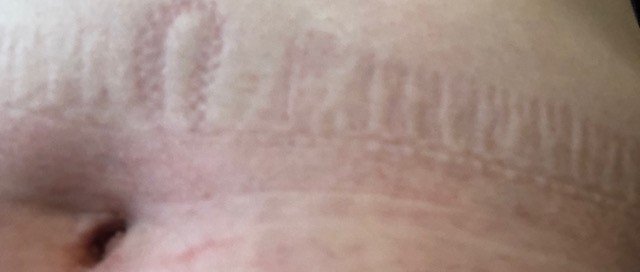
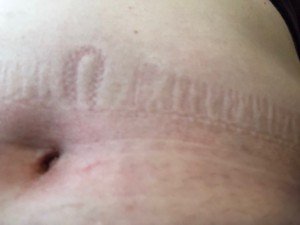
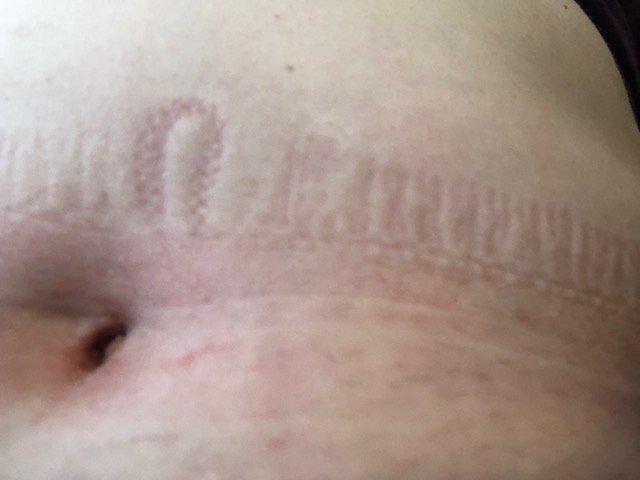
It can be alarming to notice that your underwear leaves pronounced indentations in the skin about your waistline.
Congestive heart failure often causes edema.
Even not-so-tight panties can cause this, and the more patterned the underpants, the more intricate the indentations in your skin!
Does this mean edema from congestive heart failure?
After all, people with heart failure (failure of the heart muscle to pump blood in an efficient manner) often develop edema.
When people have pathological edema, you can press your fingertip into their skin for a few seconds, release it, and see an impression – that just lingers.
This is called pitting edema, and it can linger for several minutes.
This is not normal, though not everyone with pitting edema has a heart condition either.
Can heart failure cause one’s underpants to create indents in their skin?
“In rare circumstances,” says Jenepher Piper, a family practice nurse practitioner for Maryland Family Care for 25+ years and a former nurse with Home Care Nurse for Johns Hopkins Home Care.
Piper adds, “Edema would have to be profound to extend this high.”
If you have profound edema that’s extending to the height of your waist, believe me, you will probably already have been diagnosed with congestive heart failure or some other serious problem like kidney failure.
Furthermore, people who develop edema in their waist area from congestive heart failure or kidney problems will also have very visible edema in their legs.
Edema in the waist or abdominal region is not to be equated with excess fat (love handles, muffin top).
Anasarca
Anasarca is a type of edema or swelling that involves the entire body.
A heart problem and diabetes can cause this, but by the time it does, you will know that you’re as sick as a dog.
Underwear that leaves impressions in your skin does not mean you have anasarca, heart failure, diabetes or some other malady.
Wear looser underwear, but if it doesn’t require tight panties to cause skin indents, you still should NOT worry!
Piper explains that the human body is 50 to 60 percent water in an average size adult, and this percentage is higher in overweight people.
The elastic band of underwear will “displace water in the tissue, like a handprint in a memory foam mattress,” says Piper.
The indents will eventually work their way out.
If this article provided you with helpful information or reassurance, please consider supporting my work through Ko-fi. Donations help me continue writing detailed medical content that’s easy to understand.
 Patients suffering from conditions such as coronary artery disease, obesity and diabetes turn to Nurse Practitioner Piper to help them best manage their overall health.
 Lorra Garrick has been covering medical, fitness and cybersecurity topics for many years, having written thousands of articles for print magazines and websites, including as a ghostwriter. She’s also a former ACE-certified personal trainer.
.
Top image: ©Lorra Garrick

Under what Circumstances Can Acoustic Neuroma Be Fatal ?

Do you keep reading that an acoustic neuroma “can be fatal”?
Is this scaring the daylights out of you, especially since your tinnitus has not yet been evaluated?
It’s true that an acoustic neuroma can lead to death. However, in this era of modern medicine, a lethal acoustic neuroma is more hypothetical than reality. (more…)
Can Acoustic Neuroma Grow on Brainstem with No Symptoms ?
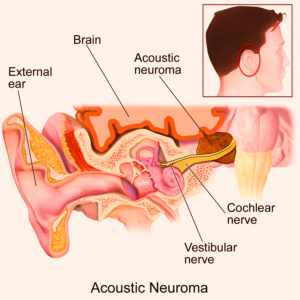
When an acoustic neuroma encroaches on the brainstem, this is when things start getting really dangerous, and symptoms can be quite variable.
Anything that presses on the brainstem is a very serious matter.
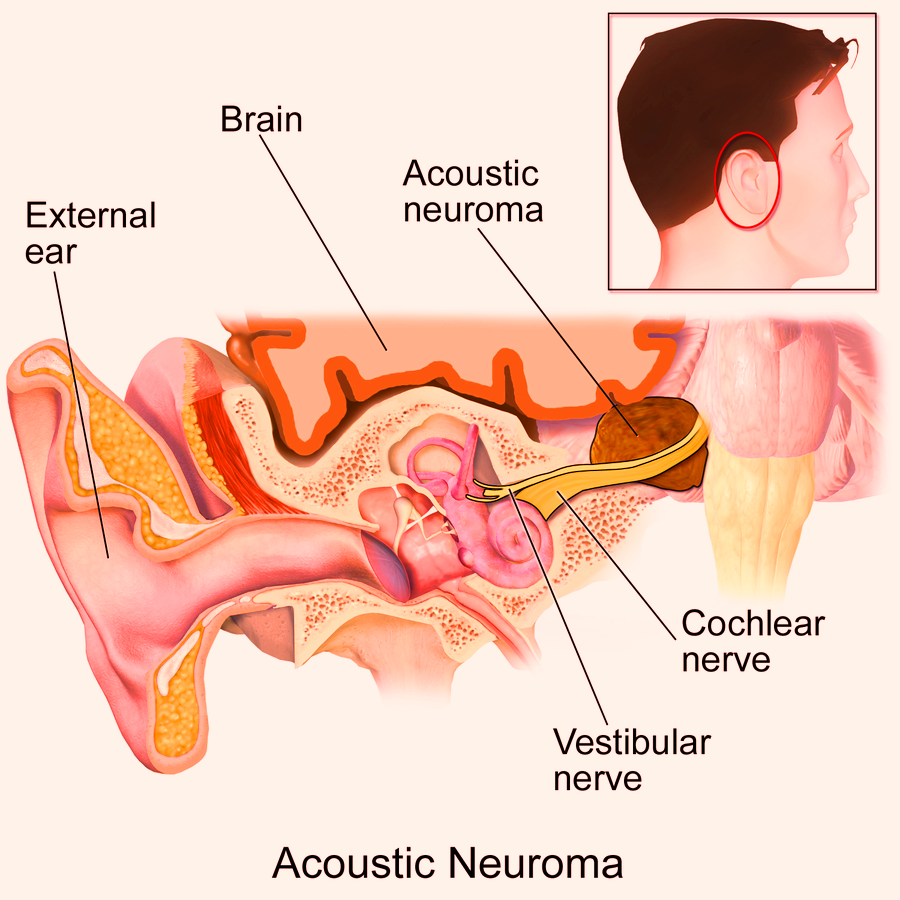
An acoustic neuroma begins with an overgrowth of the Schwann cells that cover the eighth cranial nerve as a protective kind of wrapping.
This location is very close to the brainstem, unfortunately.
So if the tumor grows and is not treated…the brainstem will be in is path.
Possible Symptoms of Acoustic Neuroma on Brainstem
• Headache (usually persistent)
• Balance problems, unsteadiness
• Impaired control of voluntary body movements
• Confusion
• Visual problems
But an acoustic neuroma that’s in contact with the brainstem – in the early stages of this contact – will not always cause symptoms.

Blausen.com staff (2014)/CC BY 3.0/creativecommons.org/licenses/Wikimedia Commons
“Tumors of any size can be discovered incidentally including very large tumors with significant brainstem compression,” says Brandon Isaacson, MD, F.A.C.S., Department of Otolaryngology – Head and Neck Surgery, UT Southwestern Medical Center, Dallas, TX.
Dr. Isaacson is one of the few surgeons in the U.S. who removes small acoustic neuromas via endoscopy: insertion of a thin tube through the inner ear, guided by a camera that displays the internal image on a screen.
The only incision required is a small one in the ear canal.
Dr. Isaacson continues, “These tumors are in most cases slow growing, and early symptoms are often not addressed by the patient and the clinician.
“If a tumor grows very slowly the brain tends to tolerate this well, but a faster growing tumor will typically present earlier.
“Rarely there can be bleeding within the tumor that can cause rapid expansion and severe symptoms.”
An acoustic neuroma is benign (won’t spread throughout the body), but left untreated, it can cause local and serious harm that involves the brainstem.
Dr. Isaacson’s research interests include cochlear implants, endoscopic ear surgery and acoustic neuroma. His clinical interests include all aspects of otology and neurotology, with a special focus on skull base surgery.
Lorra Garrick has been covering medical, fitness and cybersecurity topics for many years, having written thousands of articles for print magazines and websites, including as a ghostwriter. She’s also a former ACE-certified personal trainer.
.
Top image: Blausen.com/CC
Source: mayfieldclinic.com/PE-Acoustic.htm

Can the Tinnitus of an Acoustic Neuroma Come and Go ?

Tinnitus is a common symptom of an acoustic neuroma and is far more likely to be unilateral than in both ears.
The question to worried tinnitus sufferers is if an acoustic neuroma can cause an intermittent “ringing in the ears.” (more…)
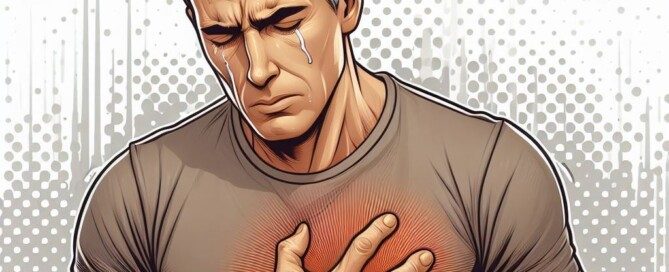
Heart Palpitations Caused by Two Common Food Ingredients

There are two common food ingredients that can cause heart palpitations in some people.
But this doesn’t mean that everyone’s skipped heartbeat is caused by these ingredients. (more…)
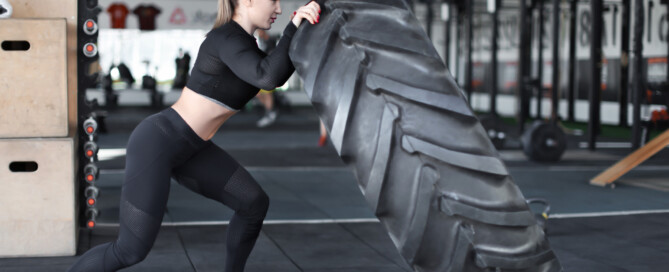
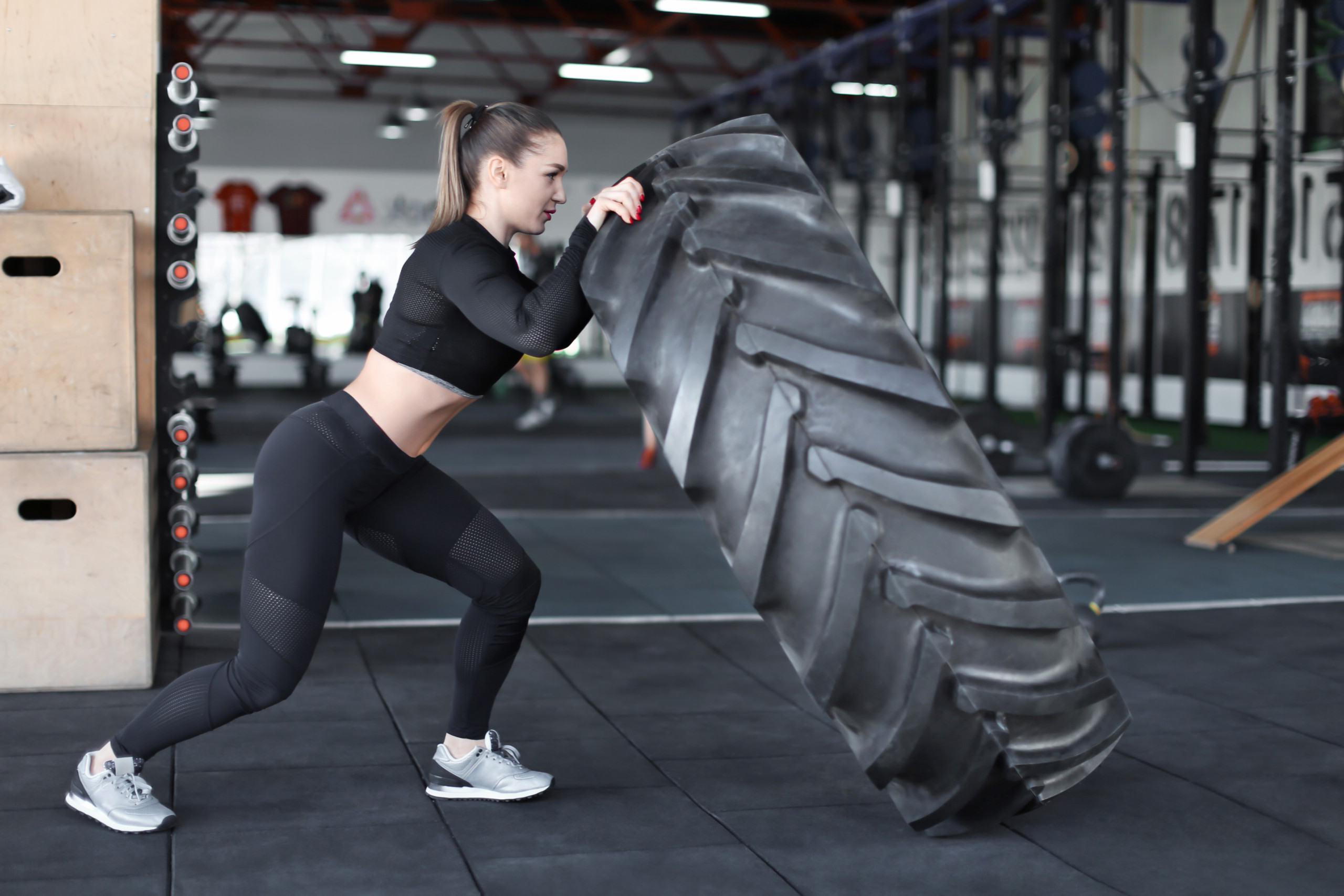
Why Women Should Do Tire Flipping for Exercise

Flipping tires is a great strength training and fat burning exercise for women; why should only men flip tires?
And we’re talking the big tractor tires, too, not the little car tires!
In the grand scheme of things, few women flip tires for exercise. Few men do this, but the number of men who do, compared to women, is vastly larger.
Benefits to Women Who Flip Tires As a Form of Exercise
Full-body workout. If you’re looking for a great full-body routine, you’ll get it with flipping a tire. The entire body gets worked.
This will have tremendous appeal to anybody who’s short on time.
Carries over to real life movement. Once your body begins transforming from consistent tire flipping sessions, you’ll find that any task you do in everyday life will begin getting easier.
• Picking up and carrying young kids and babies
• Caregiving to a disabled person
• Gardening
• Housework, yardwork, shoveling snow
• Rearranging furniture
Fat burner. Because nearly every muscle gets worked in one movement (whether it’s fluid or in stages), a lot of calories get burned – much more than if you spent the same amount of time doing crunches, sit-ups, dumbbell kickbacks, biceps curls and walking lunges holding light dumbbells.
Even if you use a light tire, one that makes you think on your very first flip, “Gee, that was easy!” the task of flipping it over and over and over will quickly become taxing simply because of your body position at the start of the movement.
How to Flip a Tire Safely & Efficiently
• The form at the beginning is similar to that of a deadlift.
• Avoid excessively hovering over the tire in the starting position.
• You want to be almost sitting back in the starting position.
Shutterstock/MilanMarkovic78
• Avoid rounding your lower back as you begin the lift, and your chest should be facing ahead as much as possible rather than facing down at the tire.
• You’ll be lifting with the legs rather than with your lower back.
• Place hands under tire, then rise, powering up with the legs, assisting with the arms.
• At some point you’ll need to transition your arms from their starting position to a pushing movement.
• There’s no precise point at which to do this, as long as you maintain good form with your lower back.
• If the tire is heavy enough, you’ll be tempted to nudge it upright with one of your legs. This is fine.
• When the tire is upright, knock it over and repeat.
Muscles Worked
• Every muscle from the waist down
• Back
• Shoulders
• Core
• Chest
• Triceps
• Biceps
The legs, glutes (butt), core and back will get worked the most.
Tire flipping can be stamina based, purely power based or something in between. You can find a tire that’s light enough to flip continuously for a minute or two.
Or, you can work with a tire that’s so heavy that you can flip it only three times before having to take a good rest.
Any permutation goes. Women should not think of tire flipping as an exercise reserved just for CrossFit enthusiasts.
You KNOW you’ve been itching to flip that big tire at your gym! Just do it!
 Lorra Garrick is a former personal trainer certified through the American Council on Exercise. At Bally Total Fitness she trained women and men of all ages for fat loss, muscle building, fitness and improved health.
.
Top image: Shutterstock/Africa Studio

Five Strength Training Moves Considered Overrated that Aren’t

Yes, there are five strength training exercises that many consider to be overrated…but they aren’t.
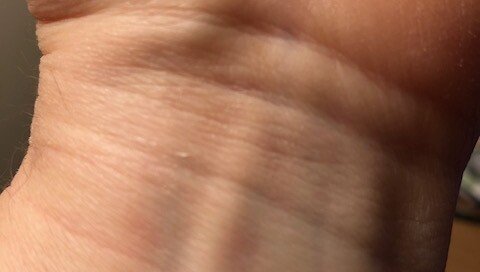
Does Watchband Indentation in Skin Mean a Medical Problem ?
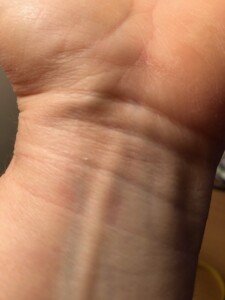
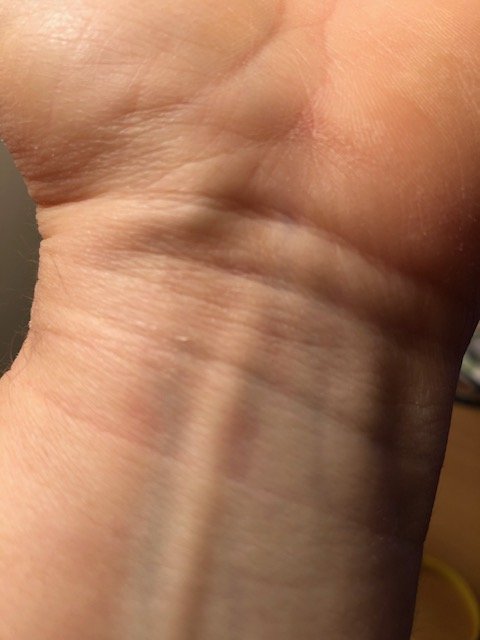
Have you noticed that your watchband or bracelet leaves indentations in your skin after you remove it?
Does this alarm you because you think it’s edema – the same kind of edema that can be caused by inadequate pumping of the heart or some malfunction of the kidneys? (more…)

Can a Thin Girl Become Anorexic or Must She Be Overweight ?

Believe it or not, it’s very possible for a naturally thin teen girl or woman to develop anorexia nervosa; this disorder doesn’t just affect overweight people.
Maybe you’ve read stories of teens who developed anorexia nervosa — and they claim it all started when they felt a bit overweight and wanted to lose five or 10 pounds. (more…)





Weighted Backpack, Treadmill Incline: Holding On Defeats Purpose
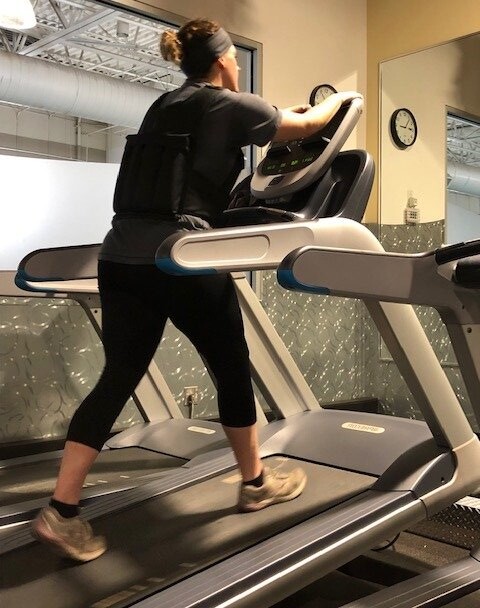
I hope you aren’t unwise enough to don the weighted backpack, jack up the treadmill incline, then HOLD ON as you “walk,” thinking you’re preparing yourself for a backcountry hike!
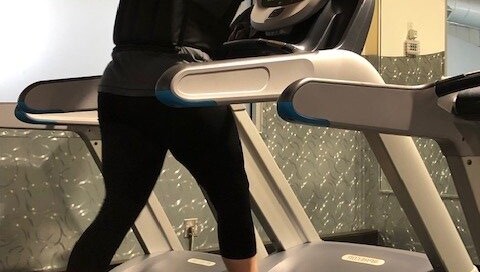
I couldn’t believe what I saw today at the gym: A young man with a weighted backpack walking on a treadmill incline – but holding onto the front bar!
What kind of hike or backcountry trek was he preparing for?
Or maybe he just wanted to add some intensity to his cardio workout?
Even if that’s the case, gripping the bar is just the most backwards thing to do at a gym.
Wearing a weighted backpack or vest while walking a treadmill incline is a fantastic heart pumping workout – IF YOU DO NOT HOLD ONTO THE TREADMILL.
Yes, I had to shout that out, because I just cannot believe how many people hold onto the treadmill and think this will train their bodies for hiking or backpacking.
Training for Backpacking Requires Simulating the Activity

• In outdoor backpacking, you’re not holding onto anything in front of you for support.
• Thus, it stands to reason that indoor training means don’t hold onto anything for support.
• I don’t know of any mountain trails in which a bar is moving a few feet ahead of the hiker so that they can keep their hands on it for support.
Walking around with a weighted backpack, let alone hiking with one, puts stress on the low back muscles.
This is why many unprepared hikers soon get an aching low back when wearing a weighted rucksack.
Holding onto an Inclined Treadmill Denies Training to the Low Back Muscles
“Holding onto the rails of a treadmill while training with a weighted backpack certainly defeats the purpose,” says Dr. Tom Carpenter, corrective exercise specialist, certified personal trainer and chiropractor, inventor of Stand Corrected™, a portable harness-like stretching tool that helps alleviate back, neck and shoulder pain.
Dr. Carpenter continues, “Instead of engaging the strength and balancing mechanisms required to walk with a backpack, holding on eliminates the need for the core muscles to engage adequately (providing the necessary counter balance to the added weight). Instead, the load is transferred to the arms and chest.”
• When walking an incline outdoors or one indoors without holding on, the low back muscles must work to keep your body vertical, to prevent it from toppling backwards.

• Over time, walking an incline without holding on will strengthen and condition the low back muscles.
• If you hold onto the treadmill, even while wearing a weighted backpack or vest, your arms, as Dr. Carpenter points out, will take over the task that the low back muscles are supposed to perform.
• As a result, your low back muscles will “learn” to become inefficient at inclines.
So if you keep walking on a treadmill incline, wearing a weighted vest or backpack – AND holding onto the machine … sorry folks, but your first backpacking trip will be a nightmare for your low back.
I used to be a member of a mountain club. Prior to joining, I had made a regular habit of walking inclines on a treadmill – never holding on.
However, I never wore a weighted vest or backpack, either.
Interestingly, when I went on my first backcountry hike, wearing a backpack, out in the wilderness for hours…my low back never got sore.
This was because all that incline walking, without holding on, even without adding the weighted rucksack, provided sufficient conditioning to my low back muscles.
However, if you’re planning on some major backpacking ventures in the near future, anticipating heavy loads, I recommend wearing the weighted rucksack or vest during some of your incline treadmill workouts.
BUT DO NOT HOLD ON! If your low back starts killing you, then lower the incline and/or speed of the treadmill.
The goal is to mimic a real outdoor excursion. Holding on will totally defeat the purpose!
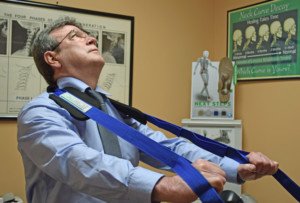
Photo credit: Aleesia Forni
Based upon 30+ years of experience, Dr. Carpenter’s practice approach reflects his belief that restoring optimum health and function will enable his patients to enjoy a much greater amount of vitality and wellness. Chiropractic care is true health care, not sick care!
Lorra Garrick has been covering medical, fitness and cybersecurity topics for many years, having written thousands of articles for print magazines and websites, including as a ghostwriter. She’s also a former ACE-certified personal trainer.
.