
What Is “Skinny Fat” and How to Identify and Correct It

“Skinny Fat” isn’t a fad name that’s caught on wildfire for nothing.
Skinny-fat is actually a state of health — a poor state of health that afflicts both women and men.
When body positive obese women point out that plenty of thin people have heart disease and suffer heart attacks, you can bet that these thin victims had skinny-fat bodies prior to the development of their heart condition.
Skinny-fat is NOT healthy. But neither is fat-fat.
A healthy fit body is lean-toned or lean-muscular.
Shutterstock/RomarioIen
Many very overweight women are quick to point out that “thin people can have heart attacks” and that “thin people die of stroke or get diabetes.”
What they fail to take into consideration is that a skinny-fat individual is at MUCH HIGHER risk of cardiovascular disease than is a lean-toned or lean-muscular person!
Who’s much more likely to suffer a heart attack or develop heart disease or a stroke?
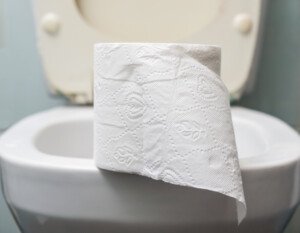
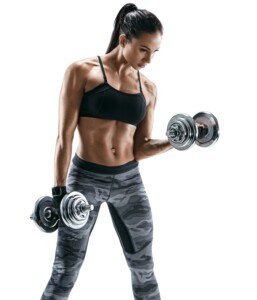
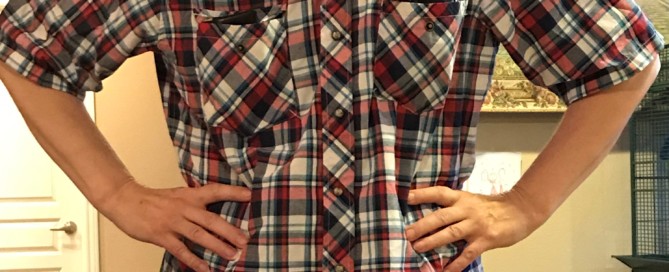
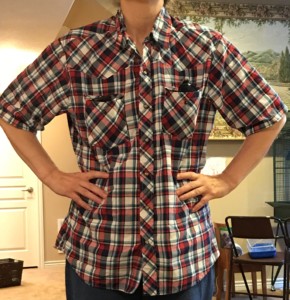
The lean hard body in the second image or the weak body in the first image?
The picture below shows another example of skinny fat.

Another failed consideration on the part of obese women is that smoking significantly adds to the risk of cardiovascular disease. And plenty of smokers are skinny!
Smoking has been proven to lead to coronary artery disease and congestive heart failure.
Whether you’re large, thin or in between somewhere, ask yourself if you know the difference between a low body fat percentage and “thin.”
As for obese women insisting that they are healthy because they are active, here’s an eye opener: Trim and Active Is Healthier than Fat and Active
 Lorra Garrick is a former personal trainer certified through the American Council on Exercise. At Bally Total Fitness she trained women and men of all ages for fat loss, muscle building, fitness and improved health.
.
Top image: Shutterstock/ShotPrime Studio

Can a Thin Woman Be Big Boned or Is She Always Small Boned ?

Does the size of a woman’s bones have anything to do with whether she’s “scary skinny,” fashionably trim or overweight?
Do small bones always mean thin body?
Actress Tara Reid, whom many think is scary skinny, once said on social media that she simply has small bones.
I can think of many small boned animals that are chubby or have a stocky look, and many big boned animals that have a slender look. (more…)
Deltoid Muscle Pain: Causes Including Cancer & Heart Problems

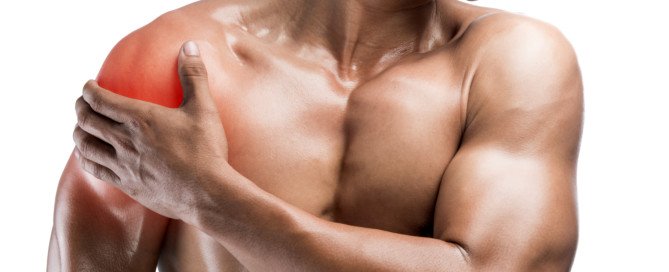
Don’t kid yourself; tears and strains of the deltoid muscle are hardly the only causes of pain in this area.
You can also count in different cancers and heart problems. (more…)
Metabolic Healthy Fat Doesn’t Protect Against the Flu
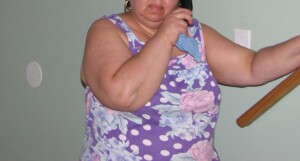
Obese women who claim they’re healthy because they have normal blood pressure and blood sugar need to know that obesity impairs protection against the flu.
Of course, this applies to men as well.
Normal blood pressure and fasting glucose or A1C are only three components of health status, yet some very plus-size women, along with overweight men, are fixating on these three components and using them as a huge barometer for their overall health.
Obesity disrupts health and fitness in so many ways it’s dizzying – and this includes in those who are “metabolically healthy,” meaning that their blood pressure and glucose fall within normal ranges.
“Obesity is an independent risk factor for many things,” says Richard Honaker, MD, Chief Medical Advisor at Your Doctors Online, with 30+ years’ experience as a primary care physician.
“It has far reaching and numerous metabolic adverse effects that are not evident on routine exams and lab tests.”
This means when an obese person walks out of a doctor’s office, after being told that “everything looks normal,” she or he should not get too smug about this.
Obesity Hampers Protection from the Flu
Obese people who receive a flu shot are twice as likely to get the flu or a similar illness compared to healthy-weight adults who’ve gotten a flu shot.
A flu shot does not 100 percent guarantee you won’t get infected with the influenza virus, but researchers at the University of North Carolina at Chapel Hill have announced that being very overweight interferes with the flu shot’s effectiveness.
The UNC study report says that vaccinated adults who have obesity are two times as likely to contract the flu virus when compared to vaccinated adults of a healthy weight.
Why are flu vaccinations not as effective in obese people?
The researchers believe this is due to improper functioning of the T cells in the very overweight. T cells are important for protecting and recovering from the flu.
This impairment has nothing to do with the so-called metabolic health.
The report appears in the Journal of International Obesity (10.1038/ijo.2017.131).
 Dr. Honaker has been recognized by D Magazine as one of the Best Doctors in Dallas several times and a Texas Super Doctor by Texas Weekly. He’s also a recipient of the Physician Recognition Award from the American Medical Association multiple times. Your Doctors Online
Lorra Garrick has been covering medical, fitness and cybersecurity topics for many years, having written thousands of articles for print magazines and websites, including as a ghostwriter. She’s also a former ACE-certified personal trainer.
.
Top image: Alexisrael, CreativeCommons
Source: sciencedaily.com/releases/2017/06/170606112812.htm
110 Over 60 Blood Pressure: Can this Ever Mean Trouble?

Some people are worried that a blood pressure reading of 110 over 60 is not safe and can lead to feeling dizzy, faint or actually passing out. (more…)
Stiff but Painless Fingers in the Morning: Cause, Prevention

The cause of waking with stiff painless fingers in the morning isn’t always arthritis or disease.
This is for people who awaken with stiff but painless fingers that, within half a minute of fist clenching, are back to normal.
This can be prevented, depending on your case. (more…)
How to Hide Mastectomy Drainage Bulbs from Family
Here’s how to hide the JP drain bulbs from family members or anyone else whom you do not want to know of your double mastectomy. (more…)
Is Prostate Cancer Deadlier than Breast Cancer?
The extent that breast cancer awareness is promoted may have you believing that this disease is a LOT deadlier than prostate cancer. (more…)






Enlarged Prostate vs. Prostate Cancer: Symptom Comparison

The symptom overlap from an enlarged prostate and prostate cancer are nearly identical as far as urine-related symptoms. (more…)
Blood from UTI Can Be Visible to the Naked Eye: Appearance