Can Acid Reflux Cause a Tickling Feeling in the Chest?
Do you sometimes feel a tickling feeling in your chest and hope that this is from acid reflux rather than a heart problem?
Does this odd sensation make you imagine a feather is waving around under your breastbone somewhere? (more…)

How Long Do Normal Moles Take to Develop?
To anyone with “molechondria,” the question of how long it takes for a normal mole to develop is often on their mind.
One-third of melanoma cases arise from pre-existing moles. Of course, any new mole can trigger anxiety, especially in people over 40. (more…)
New Raised Mole Among Flat Moles: Red Flag for Melanoma ?
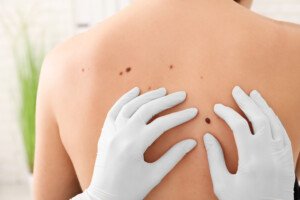
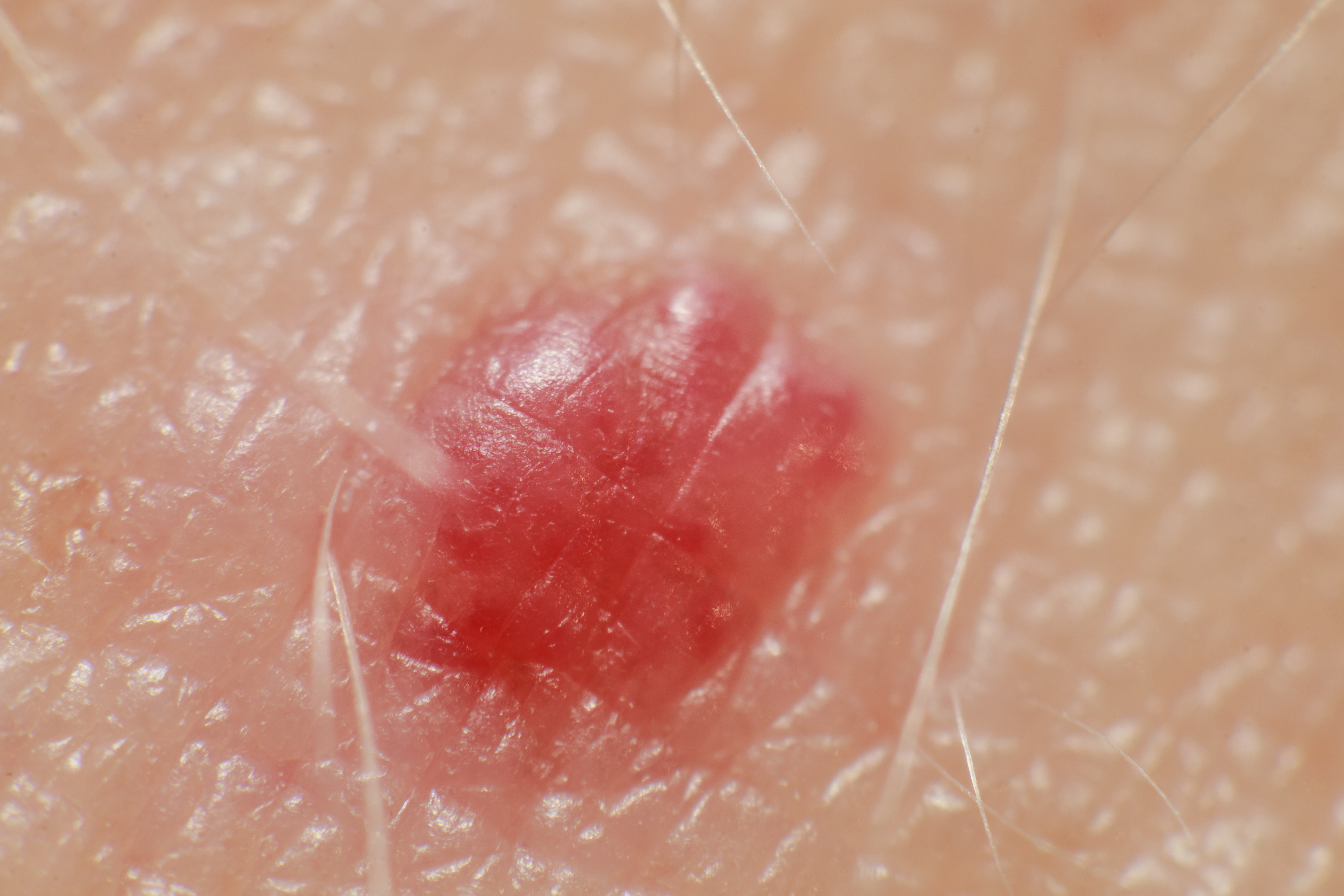
A red flag for melanoma is if you have a new mole that doesn’t look like your other moles, and if it’s a raised mole and all of your other moles are flat, this isn’t as worrisome as you may think.
“Melanoma can be raised or flat, so just the fact that a mole is raised doesn’t necessarily mean it is dangerous,” begins Caroline A. Chang, MD, a board certified dermatologist and founder of the Rhode Island Dermatology Institute.
But that can still be scary: one raised mole and all the others are flat.
Depending on its location, a raised mole will be subject to frequent irritation from clothes, and this can sometimes make it bleed.
But the frequent rubbing upon it by clothing and the resultant irritation (which can make a brown mole appear somewhat reddish) have nothing to do with melanoma.
New Mole on the Block
“The newness of a mole is more significant than the specific quality,” says Dr. Chang.
“A new mole that is changing over the course of three to six months is concerning.”
This means see a dermatologist, even if you’re young.
However, a new mole in people over 50 needs to be examined, even if it isn’t changing.

Dr. Chang practices general and cosmetic dermatology, and has particular expertise in melanoma and the use of dermoscopy for mole monitoring.
 Lorra Garrick has been covering medical, fitness and cybersecurity topics for many years, having written thousands of articles for print magazines and websites, including as a ghostwriter. She’s also a former ACE-certified personal trainer.
.
Top image: Shutterstock/Africa Studio

Cause of Dark Mole Appearing Overnight During Pregnancy

If you’re pregnant and notice a dark mole seemingly appear overnight, this could be a melanoma, but it could also be one of several types of benign tumors.
“Pregnancy is a state of immune suppression; therefore, pregnant women are slightly more susceptible to developing melanoma,” says Caroline A. Chang, MD, a board certified dermatologist and founder of the Rhode Island Dermatology Institute.
Vigilant Skin Exams Are Crucial During Pregnancy
During pregnancy you should examine your skin from head to toe once a month, and have someone inspect difficult-to-view areas.
“If a dark mole appears overnight during pregnancy then it warrants a visit to the dermatologist,” says Dr. Chang.
“Other causes of spots that mimic melanoma appearing on the skin overnight would be seborrheic keratoses, blood blister, angioma.”
“Make sure to see a dermatologist to properly diagnose and treat the new spot,” advises Dr. Chang.
Also keep in mind that the dark “mole” may have been there all along and you just had never noticed it before.
If a dark spot that resembles a mole appears overnight, it can also be what dermatologists call a hemorrhage.
This is a glorified term for a tiny scab. You may have no memory of the little trauma that caused the focal bleeding.
These tiny brown spots (dried blood) can appear anywhere, and they stick good to the skin until they’re ready to fall off (when the skin beneath is healed).
If one of these dark spots is located on your back, it will be impossible to view it close enough to tell that it’s a scab.
Rubbing it with a fingertip will not necessarily cause it to fall off if it’s not ready to fall off naturally.
So don’t let its stubbornness make you think it might be a melanoma.
DO NOT PICK AT ANY NEW DARK SPOT ON YOUR SKIN.
Dr. Chang practices general and cosmetic dermatology, and has particular expertise in melanoma and the use of dermoscopy for mole monitoring.
Lorra Garrick has been covering medical, fitness and cybersecurity topics for many years, having written thousands of articles for print magazines and websites, including as a ghostwriter. She’s also a former ACE-certified personal trainer.
.
Top image: Freepik.com
Can Angiomas Ever Lead to Melanoma?
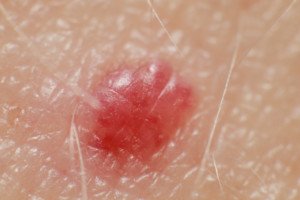
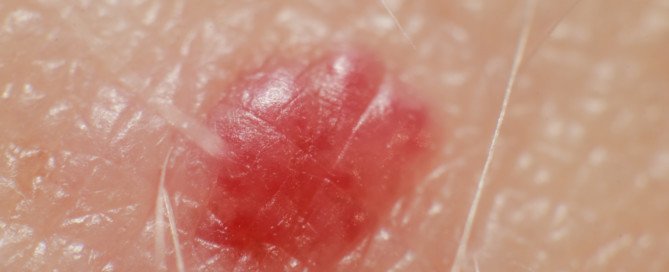
“Melanoma may look similar to an angioma, especially an amelanotic melanoma which are usually quickly growing pink or red bumps,” says Caroline A. Chang, MD, a board certified dermatologist and founder of the Rhode Island Dermatology Institute.
Many people get angiomas, which usually begin appearing after age 40.
They can appear just about anywhere, and some people have them all over their backs, torso and arms.
These red spots on the skin can be tinier than the tip of a pin or half the size of a pencil eraser and anywhere in between.
Are you scared that one of your angiomas might become a melanoma?
For some individuals, this fear may be driven by the very term “angioma,” because “oma” is the suffix for cancer types.
However, “oma” does not mean cancer; it means mass. And a mass can be benign — as well as malignant.
“Angiomas are collections of blood vessels that grow under the skin,” says Dr. Chang.
“There are no melanoma or mole cells usually associated with an angioma.
“Therefore, in the plainest of terms, angiomas cannot ‘turn into’ melanoma.
“So if you develop a quickly growing bump, no matter what shape or color, make sure to have it checked out by a dermatologist.”
Though a melanoma may, by chance, begin developing very close to or within these concentrations of blood vessels, this still does not mean a cause and effect relationship; rather, think of it as a coincidence of real estate.
Dr. Chang practices general and cosmetic dermatology, and has particular expertise in melanoma and the use of dermoscopy for mole monitoring.
Lorra Garrick has been covering medical, fitness and cybersecurity topics for many years, having written thousands of articles for print magazines and websites, including as a ghostwriter. She’s also a former ACE-certified personal trainer.
.
Top image: Shutterstock/dba87
Why People Only 30 Lbs. Overweight Should Lose Weight Now
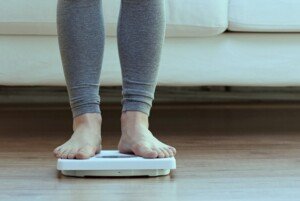
If you’re overweight even by 30 pounds and think you’re healthy due to normal blood work, you still should lose weight because down the road, your excess fat may catch up to you and cause health problems. (more…)
Slow Walkers with Heart Disease Hospitalized More Often
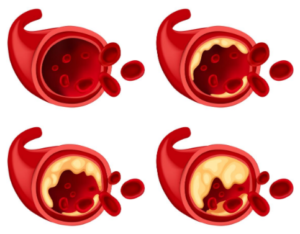
If you have heart disease you’d better pick up the pace with your walking if you want to avoid hospitalizations.
Slow walkers with heart disease are doomed to more frequent hospitalizations, says a study in the European Journal of Preventive Cardiology (April 2018).
The Study
• 1,078 patients with high blood pressure.
• 85% had coronary heart disease.
• 15% had valve disease of the heart.
• Participants were asked to walk one kilometer (about a mile) on a treadmill at a speed that they perceived as medium intensity.
• Slow walking was 2.6 km/hour; medium was 3.9 km/hour; fast was 5.1 km/hour.
• 359 participants were slow walkers; 362 were intermediate; 357 were fast.
Patients were Followed for Three Years
And there were hospitalizations during those three years; the researchers recorded ALL of them, regardless of cause, and also length of hospital stay.
- The paper says that a slower walking speed is a marker of limited mobility.
- Limited mobility, in turn, is a forerunner of disease and disability.
The Findings
• Slow walkers: 182 had at least one hospitalization.
• Medium walkers: 160
• Fast: 110
Average Length of Hospital Stay
• 23 for slow walkers
• 14 for intermediate
• 9 for fast
Slow walkers had a 63 percent higher likelihood of hospitalization in three years.

Old or young, you should make a habit of walking briskly in day-to-day life.
Quite simply, the faster the person’s walking speed, the lower the risk for hospitalization — and — the shorter the hospital stay, says the research.
How to Become a Faster Walker
- Not just during walking sessions for exercise
- In everyday life — on the job, at the mall, even in the house
When I was a personal trainer I encouraged clients to walk with a perk in day-to-day life, as a permanent habit.
So many people shuffle when they walk. This discourages the body from being efficient at ambulation.
WALK FAST!
Don’t let slow pokes ahead of you slow you down if there’s no room to walk past that person.
It’s perfectly okay to say “Pardon me” as you’re coming up behind them. Yes, there’ll always be a small percentage who mind this, but hey, it’s YOUR heart health, not theirs, that’s at stake here. But be polite; no need to be gruff.
Pick up your pace any chance you get, including the steps you take from your car at the gas tank to the doors of the gas station.
And of course, if you’ve been using a treadmill or doing walking for exercise outdoors, go faster.
But do not hold onto the treadmill, as this defeats the purpose of the exercise.
If you don’t have heart disease, same thing: Avoid slow walking. It’s just plain bad for the body.
Lorra Garrick is a former personal trainer certified through the American Council on Exercise. At Bally Total Fitness she trained women and men of all ages for fat loss, muscle building, fitness and improved health.
. Top image source: Vecteezy.com
Source: sciencedaily.com/releases/2018/04/180420090349.htm
Why Older Women Should Lift Barbells and Dumbbells

Stop worrying about “looking like a man,” because when older women avoid strength training, this is the fastest route to aging painfully.
Tell us what we already know: That it’s crucial for older women to lift weights. (more…)

Does Your Heart Race and Thump? Obesity May Be the Cause

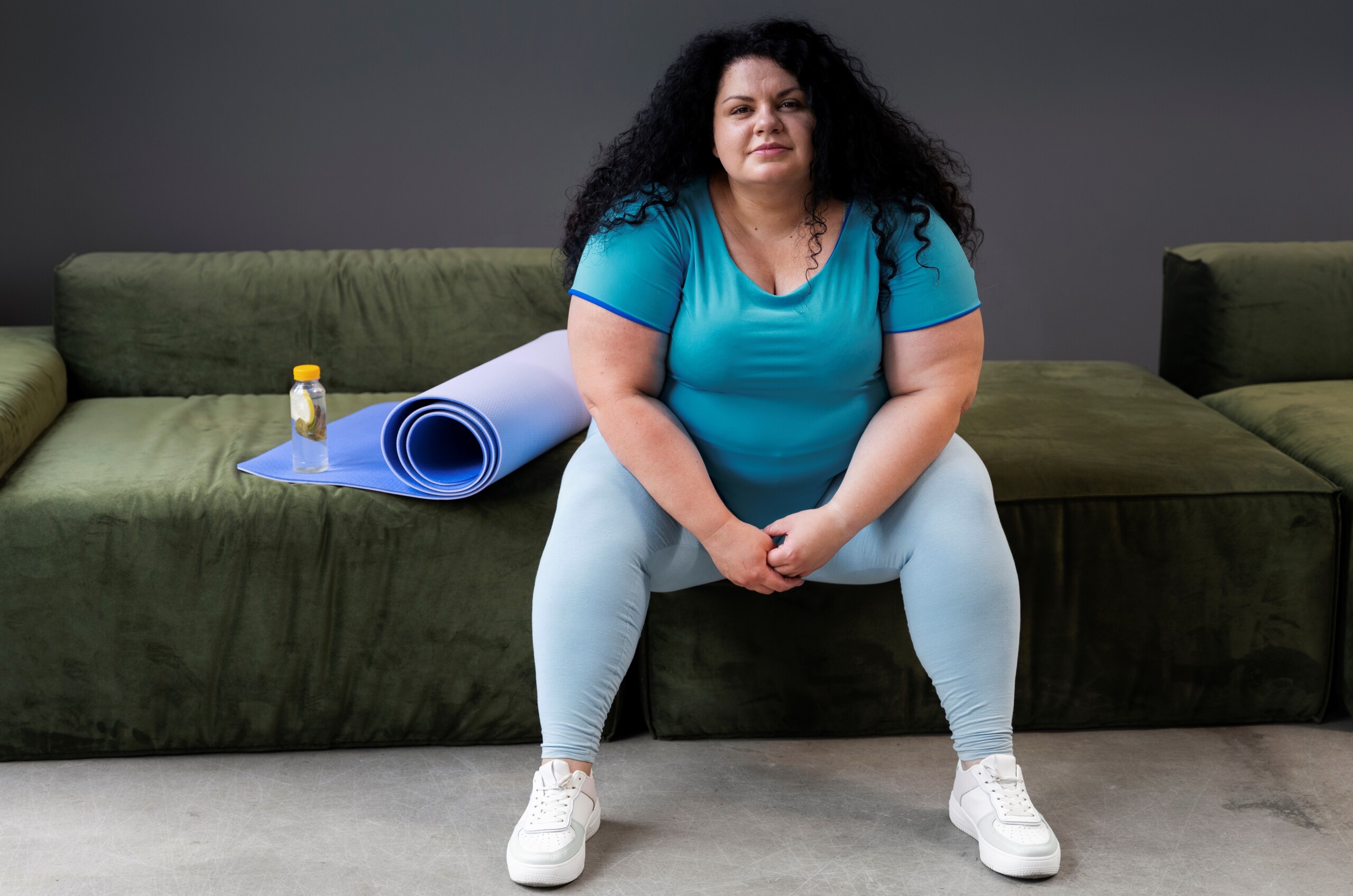
Being obese, no matter how body positive you are, can cause a racing heart or one that thumps and has an irregular rhythm.
The excess fat in one’s body can lead to an arrhythmia, specifically atrial fibrillation.
This heart rhythm disorder raises the risk of blood clots in the heart and brain — which can cause a heart attack or stroke, respectively.
You may “feel” healthy and think you’re healthy because your blood pressure and blood sugar are normal, but atrial fibrillation will NOT affect these numbers.
“Obesity is an independent risk factor for atrial fibrillation, even if the patient is not a diabetic or has elevated blood pressure,” says Susan L. Besser, MD, with Mercy Medical Center, Baltimore; Diplomate, American Board of Obesity Medicine and board certified by the American Board of Family Medicine.
Dr. Besser explains, “Here’s why the risk: Obese people tend to have an enlarged heart because it requires a bit more effort for the heart to send blood around a larger body (even with normal blood pressure).
“So when the heart enlarges, it may not function quite as well — especially the electrical system of the heart that causes your heart to ‘remember’ to beat.
“If there is a short-circuit in that electrical system, you may end up with an abnormal heart rhythm such as atrial fibrillation.”
This disorder is characterized by a suddenly racing, unsteady heartbeat.
The patient won’t always feel it, but when they do, it can feel like a thumping or runaway beat.
Jumping Heartbeat Caused by Obesity
Penn State researchers followed a large group of study participants for eight years:
• Those who were obese
• Those who were not
Dr. Andrew Foy says in the report that if you’re fat and have been diagnosed with atrial fibrillation, weight loss may help treat this abnormal rhythm.

“And if you have obesity, and lose weight through diet, exercise or even surgery, that will help reduce your risk of developing chronic conditions like atrial fibrillation,” adds Dr. Foy in the paper.
If you’re obese and have been experiencing an unexplained racing pulse or the sensation of a thumping heartbeat, this does not automatically mean that you have atrial fibrillation.
However, if you have a lot of fat in your body, and you’ve been feeling strange things going on in your chest, then it’s time to see a cardiologist.
“I’m Not Fat; I HAVE Fat.”
Catchy slogans that detract from the dangers of obesity will not protect the heart from dysfunction caused by all the fat.
Dr. Foy’s study is nothing to sneeze at. It involved tracking 67,278 people (half with obesity), and the average age was 43.8. About 77 percent were women.
• 1.8 percent without obesity developed A-fib.
• 2.7 percent WITH obesity developed A-fib.
Dr. Foy’s team also found that having a lot of fat in the body is almost as significant a risk factor for A-fib as is high blood pressure or diabetes.
Posing in a bikini for selfies to show your Instagram followers will not lower your risk of a disordered heart rhythm.
“When the heart is strained, it can lead to changes in the atrium — and it’s here where we believe structural abnormalities can precipitate atrial fibrillation,” says Foy in the paper, which appears in the April 2018 American Journal of Cardiology.
 Dr. Besser provides comprehensive family care, treating common and acute primary conditions like diabetes and hypertension. Her ongoing approach allows her the opportunity to provide accurate and critical diagnoses of more complex conditions and disorders.
 Lorra Garrick has been covering medical, fitness and cybersecurity topics for many years, having written thousands of articles for print magazines and websites, including as a ghostwriter. She’s also a former ACE-certified personal trainer.
.