
Trigger Point Therapy Helps Reduce TMJ Disorder Pain
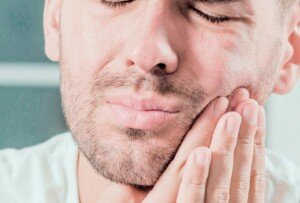
A myofascial trigger point pain specialist explains easy stretches to reduce TMJ disorder pain, plus what you should know BEFORE the dentist files your teeth.
TMJ is often referred to by specialists as TMD – temporo-mandibular dysfunction.
The muscles attached to the mandible — the jaw — become too tight and cause the jaw to close incorrectly.
This irritation in turn causes nighttime grinding, which worsens the muscle tension.
It soon becomes a vicious cycle which can result in clicking and popping in the jaw joint, as well as jaw pain, severe tension headaches and inflammation of the ligaments.
I am a myofascial trigger point therapist — I specialize in muscle pain and dysfunction, which yes, includes muscles in the jaw, face, head and neck.
Hopefully, I can treat a patient before it progresses this far, but sometimes it’s this bad by the time they find me. Fortunately it can be fixed!
What You Should Know BEFORE Your Dentist Files Your Teeth
It is paramount that patients do not allow the dentist to file or otherwise adjust the bite surfaces of the teeth before correcting the muscular imbalance.
If they do so, as the muscles continue to tighten, the bite continues to change, and the dentist will want to keep filing.
Alternatively, when a dentist changes the bite surfaces before the jaw muscles are treated, symptoms persist.
Then, if and when the muscles are corrected, the teeth will no longer match up properly, perpetuating the irritation that leads to grinding, making it more difficult to resolve the problem.
Night Guard
Have a dentist who specializes in TMD make a night guard for the lower teeth.
The upper teeth act as a fulcrum, and a properly constructed lower night guard will help the jaw sit in the proper position against the uppers.
The guard will also protect the bite surfaces from wearing unevenly and making the problem worse until you get the grinding under control.
Self-Help at Home
The advice I give my patients for self-help at home is heat, massage and stretch. These are not a sufficient substitute for treatment, but until and after they get treatment, stretches will help reduce the grinding and the muscle tension.
NEVER stretch if it is painful, and NEVER stretch as far as the joint will allow; just 70 percent or so.
You should feel a comfortable, pleasant stretchy feeling, but never an extreme stretch sensation or pain.
Stretching far enough to feel pain makes muscles reflexively tighten up and can exacerbate the problem.
This is true of all muscles in the body, by the way, not just the jaw. Stretch gently, frequently (as much as hourly throughout the day), and briefly.
A rehabilitative stretch is not held, should be performed while exhaling, and should be slow and smooth — no sudden movements or jerking.
(I sometimes tell my patients to imagine that there is a bee sitting on them, and to stretch smoothly enough as to not alarm it.)
Do this brief, comfortable stretch three times and then stop. Over-repetition can cause muscle fatigue, leading back to muscle tension.
• First, gently stretch the jaw muscles by opening your mouth wide and then relaxing it closed again. If opening is stiff but not painful, you can cautiously assist using your hands.
• Second, with the jaw relaxed, wobble from side to side.
• Third, close your mouth and puff out each cheek, one at a time.
Now do a little massage on the masseter muscles: Place your fingertips on the sides of your jaw, just in front of your ear lobes.
Using gentle pressure, smoothly stroke downward toward the angle of your jaw.
Massage the temporalis muscle — which attaches your jaw to your skull — by placing your fingertips at your temples and smoothing upward and backward into your hair, over the sides of your head.
Remember only to use as much pressure as feels good. In the case of sore, tight muscles, there is no gain with pain. Be kind to them! Never do anything that hurts.
.
Top image: Theirry Canuel, CreativeCommons

Should Water for Baby Formula Be Tap, Bottled or Distilled?

It’s a conundrum for many mothers: whether or not water for the baby formula should be from the tap, a bottle or distilled. But it makes a difference.
Baby Formula Water: Tap, Bottled or Distilled?
Things to Consider for Your Baby’s Formula Water
• Quality of the tap water in your area
• How are the pipes in your house? Old? Lead pipes?
• Home filtration systems call manufacturer to assess how often to change filter to maintain water quality
• Boiling water may not destroy pesticides and other environmental contaminants.
o USE ready-prepared formula
• How is the overall health of your baby?
o Is the baby immune compromised?
o Was the baby born premature?
• Check with the local water utility.
o The American Dental Association recommends checking your local tap water for its fluoride level.
If it is more than 0.7 mg/L, your baby runs the risk of developing enamel fluorosis, a condition that develops and affects their developing teeth; and hypomineralization of tooth enamel caused by ingestion of excessive fluoride during enamel formation.
• Faint of white lines/white spots on areas of the permanent teeth
TAP
If you choose tap water, allow the cold water (less than 75 degrees F) (not warm) to run for up to two minutes; this helps to reduce lead and other mineral built up in the pipes and bacterial growth.
If your area has “soft water” there can be added sodium in it which can be hard for the baby to excrete through their kidneys.
Call the local municipality to see what other minerals are added.
Only boil the water if your pediatrician or local health department advises you to do so; it is usually not necessary…it all depends on the quality of the water in your area.
If you DO boil, the recommendations are to use a rolling boil for one minute to destroy any possible pathogens present.
Boil any longer and the concentration of impurities increase. Allow to cool before adding to powdered formula and mixing.
Do not REBOIL any previously boiled water, as it increases impurities even further.
Well water is NOT recommended, as it is likely to contain nitrates or iron.
Boiling does not remove nitrates or iron; it just increases their concentration.
This water should be tested and treated to make sure that it is safe for drinking and/or cooking.
BOTTLED
Also called spring water, it comes from an underground source.
Bottled water may or may not have been treated and purified.
Any water you buy in the United States by law must meet the FDA’s standards of water quality.
The mineral content of each brand may vary depending on source, treatment and treating it receives.
“Intended for Infants” on a label for bottled water means it must be manufactured to meet the FDA’s general requirements for commercial sterility – moistly seen on Bottled Water Just for Babies.
Bottled Water “Just For Babies”
• Specifically designed to be used for formula mixing
• Baby water is similar to regular bottled water BUT is approved by Environmental Protection Agency (EPA); e.g., Gerber Pure or Nursery Water Nursery
DISTILLED
This is a type of purified water and is filtered of contaminants and natural minerals.
It’s best for irons and humidifiers so there is no mineral buildup that you often get with tap water.
Distilled water, even though tasteless, is seldom sold for dietary consumption and is used for industrial purposes. It’s not recommended for your baby’s formula.
 Deborah Malkoff-Cohen’s site is at nutritionbydmc.com

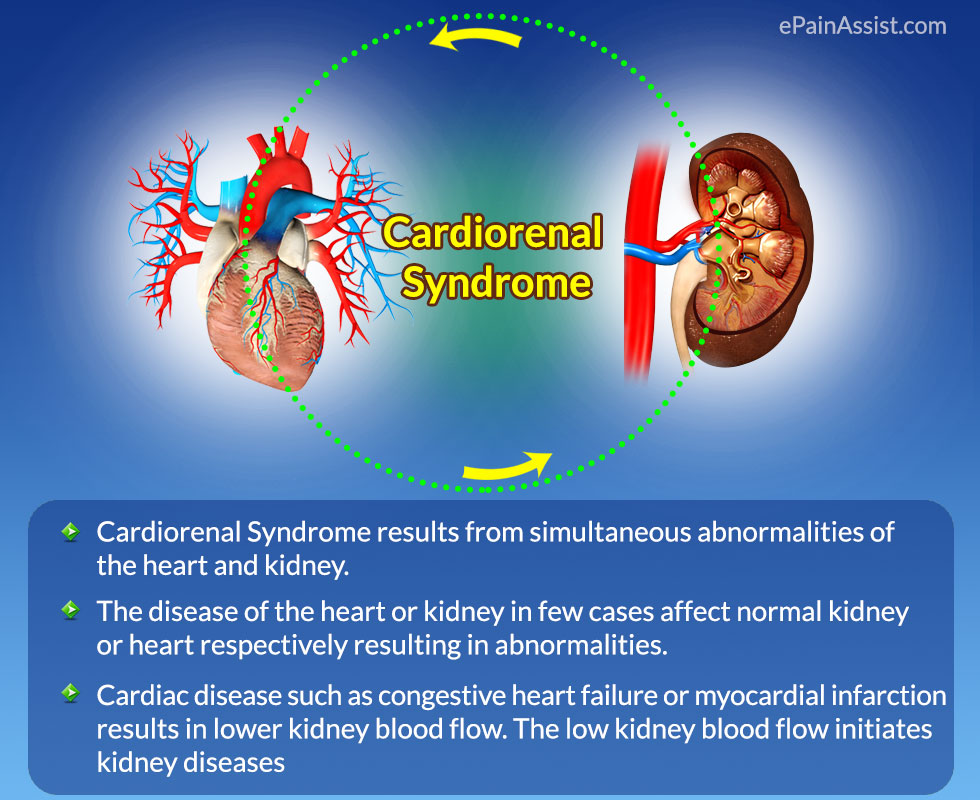
Cardiorenal Syndrome Diuretics Challenge: Let Patient Die?
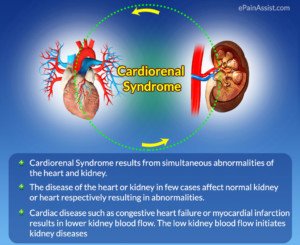
How do doctors know when to stop the diuretics in cardiorenal syndrome, if stopping these fluid-clearing drugs means life-threatening fluid buildup in the lungs and/or around the heart? (more…)

Why Does Water Sometimes Cause Reflux When Eating?

Though water can cause acid reflux when eating, this isn’t a serious problem and will not harm you.
However, there’s a reason why this occurs, and there’s a very easy solution.
“Drinking water helps neutralize and rinse out stomach acid that has refluxed into the esophagus,” says Dr. Saurabh (Seth) Sethi, MD, a Harvard University and Stanford University trained board-certified gastroenterologist practicing in the San Francisco bay area.
“In general, water is good for managing GERD,” continues Dr. Sethi.
“However, avoid drinking water during meal time, as this can worsen acid reflux symptoms.
“Drinking water with meals over-fills your stomach, which can cause the lower esophageal sphincter muscle to open and allow stomach contents to leak into the esophagus.”
If Skipping Water During Meals Is Too Hard to Do…
If you must have water with your meals (e.g., a zero-calorie thirst quencher that helps with portion control), then make sure you do not gulp air as you drink the water.
Drink the water slowly if you normally gulp and guzzle. You may even want to just give it brief sips instead of a sustained drinking.
You can also see what happens by drinking less water than you typically do during your meals.
Another suggestion is to drink the water 30 minutes before eating, and then have only tiny amounts during the meal.
If the meal is large, this will make you want to drink more water. Plus, eating a lot of food in one sitting can trigger acid reflux — especially if you hurry through the meal.
Cutting back on large meals, then, is yet another tactic to try, in an effort to avoid acid reflux while drinking water with food.
In summary, water — from a molecular makeup standpoint– does not directly trigger acid reflux. The trigger is in how you consume it.
 Follow Dr. Sethi on Instagram (instagram.com/doctor.sethi/).
 Lorra Garrick has been covering medical, fitness and cybersecurity topics for many years, having written thousands of articles for print magazines and websites, including as a ghostwriter. She’s also a former ACE-certified personal trainer.
Can Coffee Smelling Urine Be a Sign of Cancer?

What if your urine smells like coffee but you DON’T drink coffee?
Could this be a sign of cancer?
Drinking a lot of coffee can make your urine smell like coffee.
But it’s a whole new ballgame if you never take in even a drop of coffee, yet are still picking up the smell of coffee once the urine stream starts leaving your body.
Can cancer make urine smell like coffee?
Cancer can change the odor of urine. In fact, there are three cancers that can give urine a distinct smell:
• Bladder
• Prostate
• Lung
Now before you panic, there’s something else you need to know.
These changes in odor are NOT detectable by the human nose!
If dogs and machines — which detect these odors — could talk to us, perhaps we’d know if these cancers could make human urine smell like coffee.
Until then, it’s safe to say that if you smell coffee coming from your urine, it’s a very strong bet that it’s not cancer, but more likely from something you ate.
Asparagus can make your excrement smell like rotting cabbage.
Dehydration can cause a strong odor, sometimes resembling the concentrated stink of a public port-o-potty.
A urinary tract infection can cause a foul odor, but nothing like coffee.
Prostate Cancer and Urine Odor
The Journal of Breath Research describes a gas chromatography system that “smells” prostate cancer in urine.
The system is called Odoreader, developed by Professor Chris Probert from the University of Liverpool’s Institute of Translational Medicine and Professor Normal Ratcliffe at UWE Bristol.
Samples of urine are inserted into the Odoreader. Algorithms then measure it.
“Our aim is to create a test that avoids this procedure at initial diagnosis by detecting cancer in a non-invasive way by smelling the disease in men’s urine,” explains Professor Ratcliffe in the paper.
“A few years ago we did similar work to detect bladder cancer following a discovery that dogs could sniff out cancer,” he continues.
“We have been using the Odoreader, which is like an electronic nose to sense the cancer.”
The British Medical Journal (Willis et al) reports, “Dogs can be trained to distinguish patients with bladder cancer on the basis of urine odour more successfully than would be expected by chance alone.”
To date, there is no evidence that the human nose can detect cancer in urine, let alone that smelling coffee in one’s urine means possible cancer somewhere in the body.
Mice Can Sniff Out Lung Cancer in Urine
“Cancer tumors result in a change in body-related odors that can be detected by trained animal sensors and by sophisticated chemical techniques,” explains biologist Gary K. Beauchamp, PhD, of Monell Chemical Senses Center, in a report appearing in PLoS One.
The paper explains that mice were trained to detect an odor in mouse urine that signified lung cancer.
So relax, set your mind at ease, stay hydrated and consider the possibility that any coffee aroma that seems to coincide with your urine output just might be emanating from the air ducts in your bathroom – that share passageways with your neighbor’s unit if your units are connected!
Every so often in the early morning I smell the enticing aroma of coffee in my home – but nobody’s brewing coffee! It’s from my neighbor, coming through the air duct system.
Lorra Garrick has been covering medical, fitness and cybersecurity topics for many years, having written thousands of articles for print magazines and websites, including as a ghostwriter. She’s also a former ACE-certified personal trainer.
.
Top image: Shutterstock/Michelle Lee Photography
Sources
health.harvard.edu/diseases-and-conditions/urine-color-and-odor-changes
www.sciencedaily.com/releases/2016/02/160211082257.htm
www.sciencedaily.com/releases/2010/01/100126220319.htm
ncbi.nlm.nih.gov/pmc/articles/PMC518893/
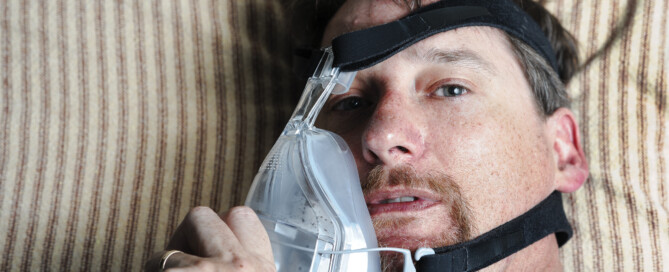
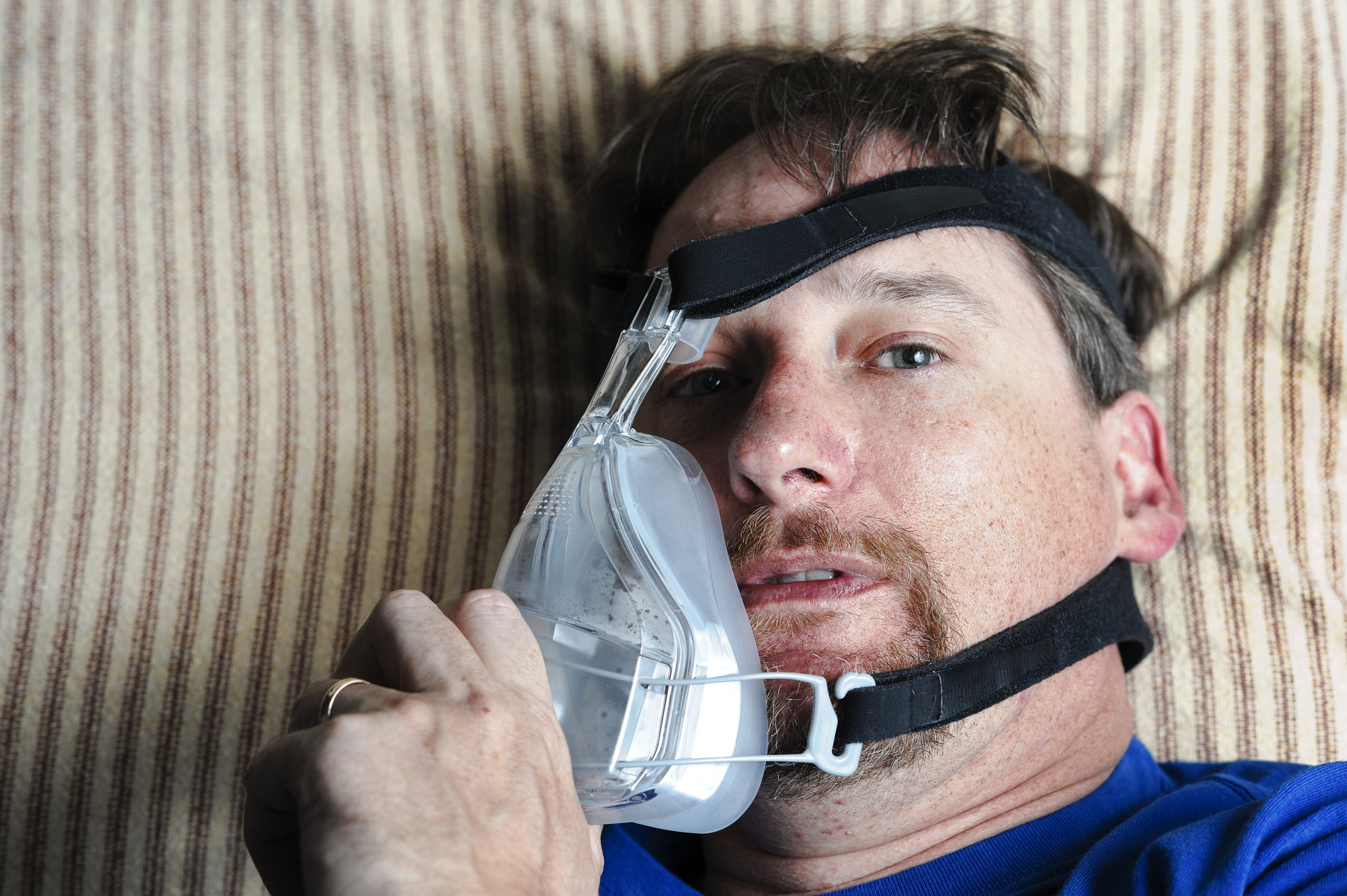
CPAP and Your Itching Nose: Causes and Solutions
An itching nose is a common complaint among CPAP users, but there are ways to prevent this most annoying situation.
CPAP stands for continuous positive airway pressure.
Complying to CPAP use is difficult enough for some sleep apnea patients without the hassle of an itching nose to go along with it.
Repeatedly scratching is not the solution.
“To prevent an itchy nose while using your CPAP, be sure your mask and supplies are replaced and cleaned regularly to prevent bacteria buildup,” says Michael Trufant, sleep therapy manager with Aeroflow Industrial Clinic which specializes in providing sleep studies, CPAP treatment options and quality care to sleep apnea patients nationwide.
Trufant adds, “One easy way to keep your mask, hose and reservoir sanitized is to use the SoClean (an automated CPAP cleaner and sanitizer).
“The machine does not require water or any messy chemicals. The SoClean kills 99.9 percent of CPAP bacteria, germs and other pathogens.”
NOTE: SoClean does not make visible deposits of gunk or residue disappear. It is a microbial-cleaning device, not something that scoops up or wipes away clumps of grime.
You will need to do that by hand. Your durable medical equipment provider can show you how.
The SoClean device should be used in addition to the hands-on cleaning protocol that your DME recommends.
But if you don’t regularly clean and sanitize your CPAP device, then it’s more likely to cause an itchy nose.
If despite taking these measures, your nose continues to itch — seemingly being caused by the CPAP mask — you may want to schedule a visit with a dermatologist.
Perhaps a dermatologist could prescribe or recommend some kind of cream or ointment to reduce the propensity of your nose to itch from the CPAP mask.
Remember, it’s not an issue directly with your nose; it’s an issue with the skin.

Lorra Garrick has been covering medical, fitness and cybersecurity topics for many years, having written thousands of articles for print magazines and websites, including as a ghostwriter. She’s also a former ACE-certified personal trainer.
Top image: Shutterstock/Mr.Nikon
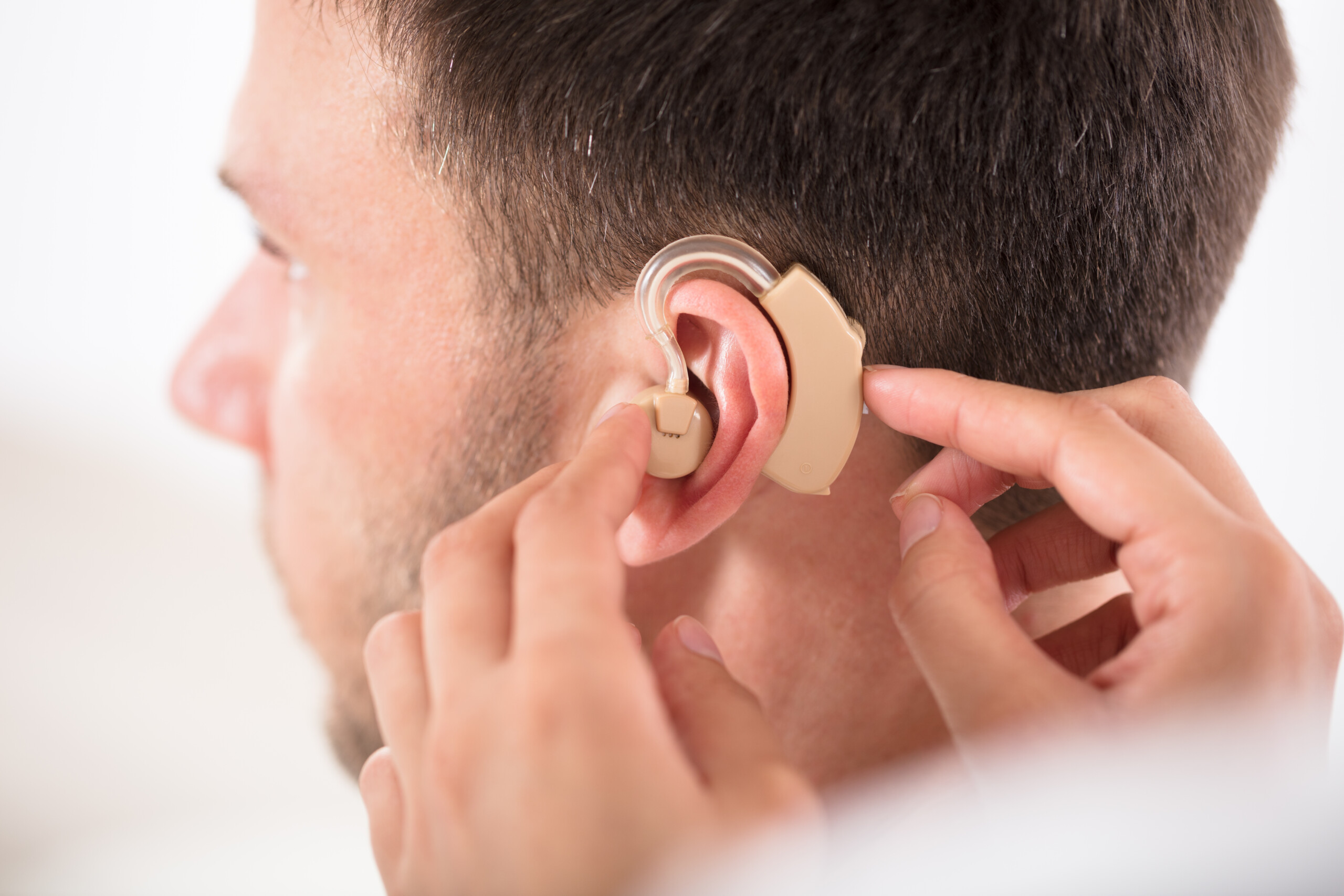
Can CPAP Therapy Pressure or Noise Cause Hearing Loss?
It’s understandable if a CPAP user is concerned about the machine’s noise or pressure causing hearing loss. (more…)

Can GERD Cause an Elevated Resting Heart Rate?

You have GERD and you’ve been experiencing an elevated heart rate without exertion.
Could there be a connection?
The elevated heart rate may occur while you’re at your computer, watching TV, texting or while lying in bed at night or in the morning.
It would be nice to know that the GERD is causing the elevated heart rate rather than a problem with your heart such as a rhythm disorder. (more…)

Can Garlic Make IBS Worse?

It’s bad news for garlic fans who’ve been diagnosed with irritable bowel syndrome. (more…)




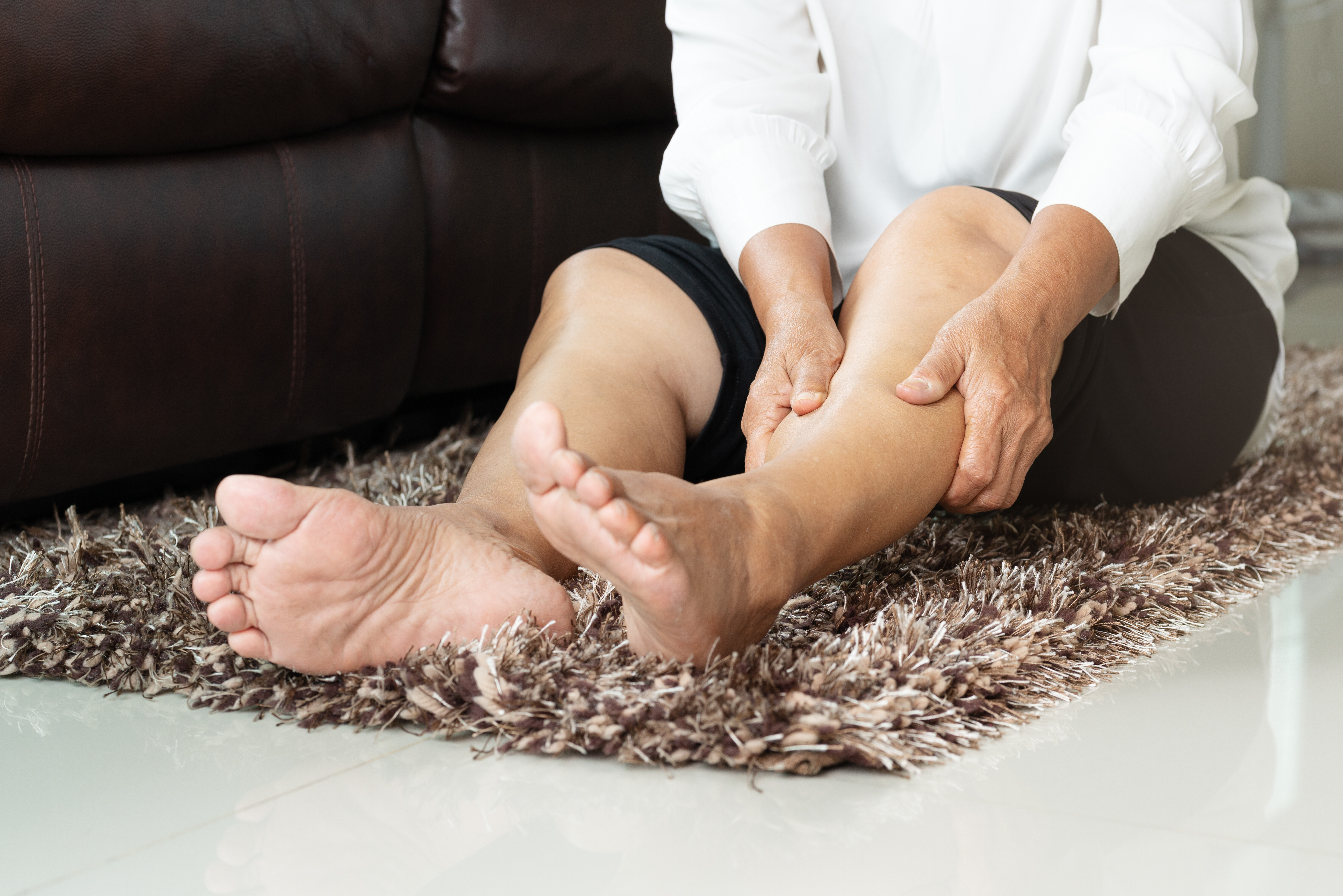
Can Gallbladder Problems Cause Leg Pain?

Some people with gallbladder disease wonder if their new-onset leg pain may be connected to the gallbladder issue.
Other issues that involve the abdominal area, such as irritable bowel syndrome and ovarian cancer, can cause leg pain. But can ailments with the gallbladder? (more…)