Is Cervical Mucus Normal after Menopause?

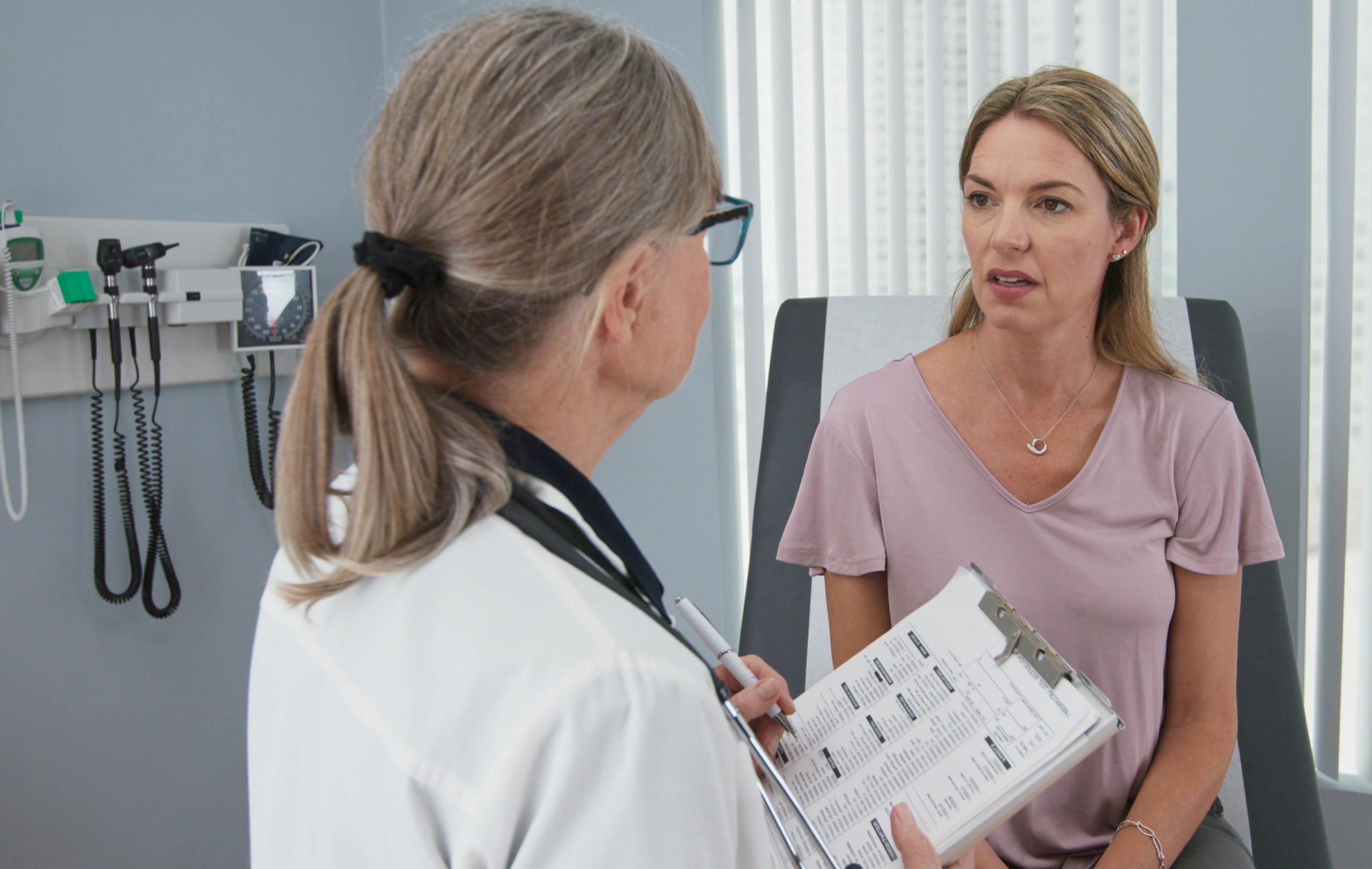
A gynecologist discusses postmenopausal cervical mucus: Is this normal? How much?
“I would venture to guess, the amount of cervical mucus produced after menopause varies amongst individuals,” says Alyssa Dweck, MD, a practicing gynecologist in Westchester County, NY, and co-author of the book, “V is for Vagina.”
There are numerous elements to consider when it comes to cervical mucus production in postmenopause.
This article isn’t about any type of discharge (such as that from an infection), but specifically, cervical mucus.
“Estrogen-like supplements such as soy (non-processed such as miso, tamari or tempeh, rather than soy protein bars and soy powders) or phyto-estrogens as well as aggressive hydration may contribute positively to vaginal health,” says Dr. Dweck.
“A healthy lifestyle with avoidance of smoking and treatment of chronic disease such as diabetes or cardiovascular disease, will enhance blood flow to the genitals to avoid dryness.”
But what if you’re already taking these healthful measures, are in postmenopause, and one day you notice some cervical mucus, when for months following menopause and even during this change, you were bone dry?
“I cannot think of any reason for cervical mucus secretion to increase or suddenly occur after a long period of none after menopause,” says Dr. Dweck.
“During perimenopause, estrogen levels wax and wane, so mucus production intermittently is not unusual.
“Suffice it to say, in the absence of any pathology (infection, Pap abnormality, medication change or items listed above), maybe this is just good fortune to those who have been suffering with dryness.”
If you’ve been having a resurgence of cervical mucus (not necessarily enough to “soak” your panties, but what would be considered a reappearance of the normal production of CM), and you’re concerned because you’re postmenopausal, then see a gynecologist.
At least if a recent Pap smear has come back normal, and the internal pelvic exam and external ultrasound also come back normal, you can be reassured it’s nothing to worry about.
If you recently completed menopause, this resurgence may simply be due to some residual hormonal activity that’s still working its way about.
Dr. Dweck practices general gynecology and is proficient in laparoscopic and robotic gynecologic surgery. Her special interests are female sexual health and dysfunction.
 Lorra Garrick has been covering medical, fitness and cybersecurity topics for many years, having written thousands of articles for print magazines and websites, including as a ghostwriter. She’s also a former ACE-certified personal trainer.
Top image: ©Lorra Garrick

Can You Be Too Old to Get Cervical Cancer?

Yes, there is actually an age cutoff in which a woman just might be too old to develop cervical cancer — which in almost every case is driven by the HPV virus.
Christine O’Connor, MD, answers to if a woman can be too old to develop cervical cancer.
Should elderly women get a Pap smear?
“Cervical cancer rates are highest in the 35-44 age range; after this peak, the rates decline,” says Christine O’Connor, MD, FACOG, Director Adolescent Gynecology and Well Woman Care, Weinberg Center for Women’s Health, Mercy Medical Center, Baltimore, MD.
“For women who have had previous screening with normal Pap smears and are negative for high risk HPV, the risk of cervical cancer is minimal after 65 years old.
“Screening is not recommended in these patients, or in patients who have had a previous hysterectomy where the cervix was removed.”
Though the risk of cervical cancer is minimal in women of elderly age, this does not mean they are immune to this disease.
It’s just that the risk isn’t high enough for doctors to recommend regular screening in women over age 65.
Women of Elderly Age DO Get Cervical Cancer
The rate of diagnosis according to the National Cancer Institute Surveillance, Epidemiology and End Results Program is as follows:
- 11.4 percent of yearly diagnosed cases in the U.S. are in 65 to 74 year olds.
- In those 75 to 84 it’s 5.9 percent.
- In those over 84 it’s 2.5 percent.
So definitely, very elderly women can be diagnosed with cervical cancer, but this disease should not be anywhere near the top of their list of health worries.
There is no such thing as being immune to a gynecological cancer due to old age, but risks do change with different diseases and age brackets.
Women should discuss screening protocols for cervical cancer and other illnesses with their physicians.
If you see a primary care physician and a gynecologist for annual health and wellness exams, it will be easier for your doctor to tailor an individual health-check program.
 Dr. O’Connor is exceptionally skilled in minimally invasive/endoscopic and robotic surgeries.
Lorra Garrick has been covering medical, fitness and cybersecurity topics for many years, having written thousands of articles for print magazines and websites, including as a ghostwriter. She’s also a former ACE-certified personal trainer.
Top image: Shutterstock/Martina Ebel
Source: seer.cancer.gov/statfacts/html/cervix.html
What Can Cause Cervical Cancer Besides HPV ?
A tiny percentage of cervical cancer is NOT caused by the the virus known as HPV (which can be vaccinated against).
Perhaps you’ve read and heard repeatedly that cervical cancer is “caused” by the human papilloma virus (HPV).
However, in rare cases, cervical cancer is not related to HPV.
What “causes” cervical cancer not caused by HPV?
“HPV is detectable in 99.7% of all cervical cancers,” says Christine O’Connor, MD, FACOG, Director Adolescent Gynecology and Well Woman Care, Weinberg Center for Women’s Health, Mercy Medical Center, Baltimore, MD.
“This is why the HPV vaccine is so important in prevention of cervical cancer, although the vaccine only covers two of the types of high risk HPV.
“However, the two types included in the vaccine are responsible for 70% of all cervical cancers.”
The Other Type
“The percentage of non-HPV related cervical cancers is less than 0.3 percent,” says Dr. O’Connor.
This is why virgins should get a Pap smear. Frequency of the Pap smear in this case should be discussed with one’s doctor.
“One historical cause [of non-HPV disease] was DES [synthetic form of estrogen] exposure in utero, which is currently very uncommon, now that that medication has not been used during pregnancy in decades,” says Dr. O’Connor.
“The issue—speaking on a much more technical level—is that HPV affects approximately 80% of the population.
“And even though it is transmitted sexually, can be spread through skin to skin contact, so even a patient who is a virgin can be at risk since HPV is fairly ubiquitous.
“Also, women who have Paps which allow for early detection and intervention can often be ‘cured’ of cervical cancer, or even caught at the precancerous level.
“The deadliest cervical cancers are those found in patients who have never been screened or have had infrequent screening, since they have often already advanced to a higher stage.”
Dr. O’Connor is exceptionally skilled in minimally invasive/endoscopic and robotic surgeries.
Lorra Garrick has been covering medical, fitness and cybersecurity topics for many years, having written thousands of articles for print magazines and websites, including as a ghostwriter. She’s also a former ACE-certified personal trainer.
Top image: Shutterstock/Chinnapong


Cervical Mucus Production Postmenopause after Being Dry

I was postmenopause and bone dry, but then began getting increasing amounts of cervical mucus.
At first I didn’t think much of it: some small amounts of cervical mucus on my underwear, even though about three months prior, I had completed menopause.
I had also been bone dry down there for a number of months throughout menopause.
But then the cervical mucus began increasing. I found this rather concerning because, why would I begin secreting this fluid when I was postmenopausal?
My gynecological nurse wasn’t at all concerned about this. Neither was my gynecologist. It was like telling them I had a paper cut on my finger.
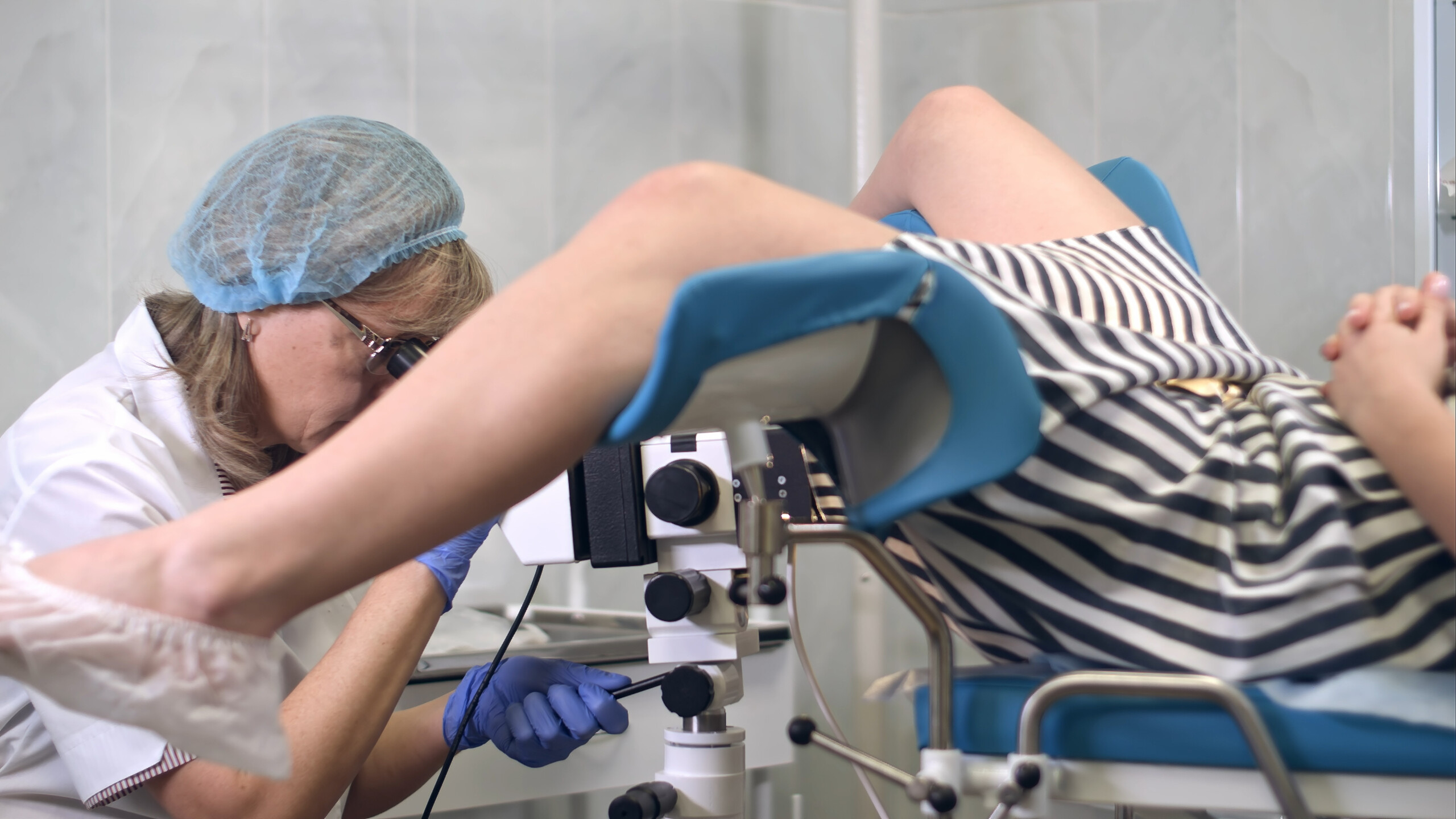
When I had a Pap smear, the doctor told me that she did not see any more, or any less, cervical mucus that she’d normally expect in a newly postmenopausal woman.
She also wasn’t the least bit concerned that the procedure had induced production of cervical mucus, to the extent that she gave me a box of tissues and a thick sanitary pad.
With the tissue I wiped and lots of cervical mucus came onto the pad (blood tinged from the procedure, which she had alerted me would happen, and that this was normal, since I was not sexually active).
How much had my cervical mucus increased from being bone dry?
Not enough to appear on a panty liner, but enough to make me want to wear a panty liner just in case.
There were several instances in which it came out in a gob onto the toilet paper, or plopped as a white ball into the toilet water from the pressure of urinating.
It was stretchy at one point, too, which made me wonder if I was ovulating.
After maybe about three weeks, I noticed that it began decreasing, exiting as gradually as it had came on.
I no longer felt a need to wear a panty liner, and began seeing less and less of the cervical mucus on my toilet paper. I eventually returned to being bone dry.
The Pap and internal pelvic exam were normal. The external ultrasound was normal.
My googling about this in postmenopause turned up a few things:
1) Vaginal atrophy, a postmenopausal condition, can cause vaginal “discharge.”
Whether or not this discharge can often look exactly like cervical mucus, I was not able to uncover.
2) If a woman is newly postmenopausal, her hormones may still be “settling” and not switching off like a water faucet, and hence, there may be a little resurgence of cervical mucus.
3) An infection can cause vaginal discharge. However, the description of this discharge does not fit ithe description of cervical mucus.
One description is that it resembles cottage cheese. Another is that it’s green.
An OB/GYN Doctor’s Response
As a medical writer, I inquired about postmenopausal cervical mucus to Christine O’Connor, MD, Director, Adolescent Gynecology and Well Woman Care, Weinberg Center for Women’s Health, Mercy Medical Center.
Here is what she says about postmenopausal cervical mucus production.
I also interviewed Alyssa Dweck, MD, a full-time practicing OB/GYN at the Mount Kisco Medical Group in Westchester County, NY, and co-author of the book, V is for Vagina. Below is my article featuring her explanations:
Lorra Garrick has been covering medical, fitness and cybersecurity topics for many years, having written thousands of articles for print magazines and websites, including as a ghostwriter. She’s also a former ACE-certified personal trainer.
.
Top image: Shutterstock/TheVisualsYouNeed
Endometrial Biopsy for Pelvic Pain but No Bleeding?

A gynecologist provides information about pelvic pain and the endometrial biopsy.
Have you been experiencing unexplained pelvic pain and worrying that it might be uterine cancer?
“Pain is not a presenting symptom in most cases of uterine cancer; abnormal bleeding is,” says Alyssa Dweck, MD, a practicing gynecologist in Westchester County, NY, and co-author of the book, “V is for Vagina.”
An endometrial biopsy can reveal the presence of cancer in the uterus.
A woman with pelvic pain (and no other symptoms), who’s fearing uterine cancer, might reason that she should undergo a an endometrial biopsy.
Then, as she figures, if it’s negative, she could breathe easily and her doctor could focus on other causes of her symptom.
But it doesn’t work that way. It’s a fair question to ask why, since if a woman DOES have uterine (endometrial) cancer, it would make sense to find out as soon as possible, rather than spending time on other tests (e.g., ultrasound) that aren’t proficient at cancer detection—and meanwhile the uterine cancer grows.
“It is always a risk benefit game when considering an invasive procedure,” begins Dr. Dweck.
“Endometrial biopsy is typically quick and easy [for the physician, but many patients report it’s painful], but still carries with it risk of infection, bleeding and perforation of the uterus. In fact, I have seen bowel injury from this in a rare instance.”
Pelvic Pain Has Many Causes

Dr. Dweck says that the appropriate indication for an endo biopsy is paramount. “Most physicians will look for the obvious causes of pathology first and go with statistical likelihood.”
A young premenopausal woman complaining of pelvic pain vs. a 60-year-old postmenopausal woman reporting this same symptom will not generate the same ideas in a gynecologist as far as how to approach the situation.
“The vast majority of those with uterine cancer are older and have postmenopausal bleeding and/or ultrasound findings,” says Dr. Dweck. The key ultrasound finding would be a thickened uterine lining.
“The vast majority of those with pelvic pain in the absence of bleeding or uterine irregularity on ultrasound will have a normal endometrial biopsy.”
A woman with only pelvic pain may still want that endometrial biopsy for peace of mind, but her doctor likely will not offer this as a first-line test, says Dr. Dweck.
Pelvic pain not only has many possible causes, but can present with varying sensations.
For example, the pelvic “pain” of uterine cancer (which remember, is not a typical symptom of this disease) would feel different than the pelvic distress of the following, which would also all differ from each other:
Colitis, gas, strained low ab muscles, diverticulitis, food poisoning, celiac disease.
Dr. Dweck practices general gynecology and is proficient in laparoscopic and robotic gynecologic surgery. Her special interests are female sexual health and dysfunction.
Lorra Garrick has been covering medical, fitness and cybersecurity topics for many years, having written thousands of articles for print magazines and websites, including as a ghostwriter. She’s also a former ACE-certified personal trainer.
.
Top image: Shutterstock/Rocketclips, Inc.

White-Yellow Discharge Soon After Menopause: Causes

A gynecologist gives some reasons why a postmenopausal woman might suddenly start seeing white-yellow vaginal discharge.
The seemingly unexplained appearance of a white-yellow vaginal discharge in a postmenopausal women may be due to:
“The use of products that may be irritants or result in allergic reactions (e.g., perfumes, douches, feminine washes or wipes, powders, panty liners or incontinence pads, soaps, deodorants, spermicides, lubricants, tight clothing) or a history of pelvic radiation, all of which can cause a vaginal discharge,” says Alyssa Dweck, MD, a practicing gynecologist in Westchester County, NY, and co-author of the book, “V is for Vagina.”
But what if there’s been no change in body products and no history of pelvic radiation?
Dr. Dweck explains, “With these caveats the only discharge that comes to mind is altered vaginal pH — and drainage as a result of that; a fistula, an abnormal connection from the bladder or rectum to the vagina which can cause drainage.
“In fact, I truly think vaginal atrophy due to menopause and lack of estrogen is the main cause.”
Vaginal Atrophy
After menopause the vagina can shrink and become less elastic and dry.
However, despite the dryness, a yellow-white discharge can indeed be a symptom of this atrophic vaginitis.
“A pertinent sexual history should be taken to evaluate whether the symptoms are associated with sexual activity,” says Dr. Dweck.
“Antihistamines can cause dryness even in the genitals, so discontinuation may cause increased secretions. Elicit a full medication history.”
Dr. Dweck practices general gynecology and is proficient in laparoscopic and robotic gynecologic surgery. Her special interests are female sexual health and dysfunction.
Lorra Garrick has been covering medical, fitness and cybersecurity topics for many years, having written thousands of articles for print magazines and websites, including as a ghostwriter. She’s also a former ACE-certified personal trainer.
.
Top image: Shutterstock/Natalie Board

Does Running up and Down Stairs Mean You Have ADHD?

Running up and down a staircase is believed to be a sign of ADHD by many people.
And we’re not talking about dashing up and down for exercise, either.
I was perusing an ADHD forum and noticed a a thread question:
Does running up and down the stairs mean you have ADHD?
The thread had a variety of feedback from people diagnosed with attention deficit hyperactivity disorder.
For this article I interviewed Dr. Robert Myers, creator of the Total Focus program at Legacy Publishing.
Dr. Myers is a clinical psychologist with 30+ years of experience working with children, adolescents, families and parents, specializing in children and adolescents with attention deficit hyperactivity disorder.
Dr. Myers explains: “Running up and down stairs certainly can be a sign of hyperactivity, which is one symptom of ADHD.
“However, if the child is fairly young it could simply be the sign of a very energetic child.”
It’s not uncommon for kids to bound up a staircase when using it to access an upper level of a house.
I did this all the time as a child. However, there was always a reason to get up the staircase: to go to my bedroom.
This isn’t the same as dashing up and down, up and down, up and down, consecutively, in the absence of training for sport.
Do you know any young kids who don’t run up and down the staircase?
Yes, this seems to be common behavior among children and even adolescents and teens.
This type of behavior can also be a natural byproduct of athleticism.
If a child is involved in sports, doesn’t it stand to reason that they would habitually run up and down their house’s staircase instead of merely walking up like their parents do?
This doesn’t mean they probably have ADHD.
All of this reasoning also applies to adults. My own habitual dashing up and down my home’s stairs had nothing to do with my attention span or how “hyper” I may have been in various situations.
I’m athletic and into physical fitness, and I never want to develop a slow body.
It’s only natural, then, that I’d have a habit of dashing up and down my staircase simply to get from one level to the next.
As a fitness enthusiast and former personal trainer, I encourage kids and adults to run up and down their home’s staircase!
Over time, the extra calorie burn can mean a few pounds of fat lost. But it will also mean an improvement in fitness.
 Dr. Myers has 30+ years’ experience working with children, adolescents and parents, specializing in children and adolescents with ADHD. Total Focus is a comprehensive program to improve attention, concentration and self-control in children.
 Lorra Garrick has been covering medical, fitness and cybersecurity topics for many years, having written thousands of articles for print magazines and websites, including as a ghostwriter. She’s also a former ACE-certified personal trainer.
.
Top image: Freepik.com

Microscopic Colitis Low Ab Cramp & Lifting Weights: Guidelines

Yes, you can lift weights if your microscopic colitis is causing a low abdominal cramp.
There are two kinds of “lower abdominal cramps” that you may experience with microscopic colitis.
This assertion is based on the fact that I myself have experienced two distinct types of low ab cramping as a result of lymphocytic colitis, which I was diagnosed with in 2010 May.
I’m also an avid bodybuilder and powerlifter. At the time of this article writing, I’ve had two flare-ups of microscopic colitis.
The first resulted in a little cramping in the lower abdominal area that felt slightly gassy and had some mild rumbling, as though things were, as I’d think, “going on in there.”
With the second flare-up, I had this same kind of mild dissonance that felt like there was a little gas, like gas bubbles brewing, but also with a little cramping; very mild.]
In both cases, I lifted weights as though it weren’t there. This included heavy bench pressing and deadlifting.
The weightlifting did NOT make the cramping worse.
The low ab cramp was just something in the background that I was aware of while I was passively resting in between weight lifting sets.
I’ve done exhaustive research on microscopic colitis, and I have NOT located any medical literature stating that weight lifting should be avoided by those with a low ab cramp from this benign condition.
The second kind of low abdominal cramping from microscopic colitis is the type that, if severe enough, would keep me home.
However, it’s also very responsive to Naprosyn. This second kind of pelvic discomfort is NOT related to the “gassy” kind described just a moment ago.
This second kind is quite uncomfortable, and even when mild, is very annoying. It feels JUST LIKE a PMS uterine cramp!
Research is ongoing as to the exact mechanism that microscopic colitis causes “pain” or aching beyond the abdominal cavity.
My belief is that this inflammatory bowel disease incites production of hormones called prostaglandins. See the source citations at the end of this article.
Prostaglandins are located throughout the body, and when activated, cause inflammation and discomfort at those regions.
They are part of PMS for many women, which is why joint pain or aches, along with low back ache and low ab cramps, are common PMS symptoms.
It’s believed that prostaglandins are in full force, which is why anti-prostaglandin drugs like Naprosyn and ibuprofen knock the aches out cold. Prostaglandins cause uterine spasms, leading to the sometimes disabling “low ab” pain of PMS.
Enteropathic arthralgia is the term for joint pain caused by a gastrointestinal problem. Enteropathic arthralgia is part of inflammatory bowel disease, and microscopic colitis is an IBD.
It would be no surprise that the joint aches and low ab (pelvic) pain of my MC involve the same mechanism as the PMS pain I used to get.
If I want to lift weights but have this second kind of low ab ache from microscopic colitis (it’s not PMS because I’m postmenopausal), I’ll simply take Naprosyn, which suppresses the enzyme that leads to prostaglandin production. I’ll then have a great workout.
However, those with MC should avoid NSAIDs! Fortunately, my “enteropathic arthralgia” hasn’t been frequent enough to interfere with scheduled weight lifting workouts.
Lorra Garrick has been covering medical, fitness and cybersecurity topics for many years, having written thousands of articles for print magazines and websites, including as a ghostwriter. She’s also a former ACE-certified personal trainer.
.
Top image: Shutterstock/Lestertair
Sources:
http://onlinelibrary.wiley.com/doi/10.1111/j.1365-2036.2011.04686.x/full (prostaglandins and MC)
http://www.ncbi.nlm.nih.gov/pmc/articles/PMC3629156/ (prostaglandins and MC)
http://www.ncbi.nlm.nih.gov/pubmed/6350580 (prostaglandins and PMS)
http://www.ncbi.nlm.nih.gov/pubmed/19594490 (prostaglandins and IBD)
http://www.ccfc.ca/site/pp.asp?c=ajIRK4NLLhJ0E&b=6349433&printmode=1 (flare-up of joint aches can occur separate from gut problem flare-ups)
What Low Backache from Microscopic Colitis Feels Like

If you think your low backache might be from microscopic colitis, I will describe what this feels like.
Not all “low backache” is the same, and that applies to microscopic colitis, which I was diagnosed with (colonoscopy) in May of 2010.
I have a very mild form; only two flare-ups at the time of this writing, the first flare-up taking about two months to run its course.
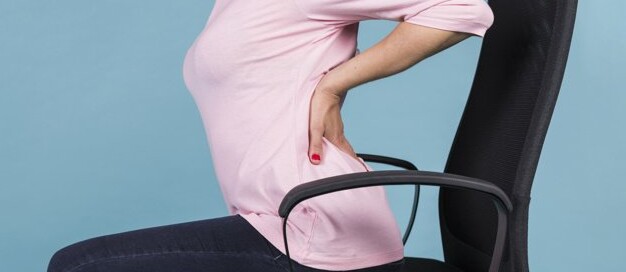
I’ll get to the point fast: The low backache associated with microscopic colitis feels IDENTICAL to the low backache of premenstrual syndrome (PMS).
It’s somewhat stiff, making me want to try to induce cracking (like a chiropractor would), but the overwhelming feature is an uncomfortable aching—and this aching, too, makes me want to get a good crack in.
If you’re a man, hold tight, as I will go into more detail.
The best way to describe the low backache of microscopic colitis is a nagging or persistent feeling in your low back that makes you want to repeatedly twist left and right forcefully to generate some vertebral cracking.
The feeling is an ache, for sure, but at the same time, it makes me want to stretch and crack the bones.
The low backache of microscopic colitis (or PMS) always makes me imagine that I’m at a chiropractor’s office and getting an adjustment; all the bones are getting cracked.
As an athlete, I’ve had low back strain more than once. A microscopic colitis flare-up (or PMS) feels NOTHING like a strained or pulled muscle that you might get from exercise or bending over while picking up something heavy.
In the body are a group of chemicals called prostaglandins. Research implicates them as being part of the cause of PMS.
Compelling evidence of this is that drugs that inhibit prostaglandin production work marvelously at squashing the joint aches of PMS.
Prostaglandin overproduction is also implicated in inflammatory bowel disease. Microscopic colitis is an IBD, and research specifically on MC also implicates prostaglandins.
This would explain why the low backache of PMS (at least for me) feels absolutely identical to that from microscopic colitis.
It’s the type of discomfort that would not prevent you from doing heavy lifting, if you’re trained, anyways.
It’s not the type of discomfort that would make you nervous about the prospect of moving furniture or shoveling snow.
But it’s really annoying and can be aggravating, because it makes me want to keep twisting to induce bone cracking and soft-tissue popping — which, when it happens, feels SO GOOD.