

Esophagitis Cause of Chest Pain vs. Heart Attack

Uh oh, chest pain from heart attack vs. esophagitis can be “very difficult to distinguish,” says a gastroenterologist.
“Esophagitis, inflammation of the esophagus, can cause severe chest pain,” says Gastroenterologist Larry Good, MD, in practice for 40+ years and with a private practice in Lynbrook, NY, and is affiliated with Concierge Choice Physicians, a leading provider of personalized care in the U.S.
Why can the severe chest pain of esophagitis mimic that of a heart attack?
Dr. Good explains, “The esophagus, heart and airways are all served by the vagus nerve which can send signals to the brain from these organs.
“This is called six dermatone pain, corresponding to the sensory innervation of the organs in the chest cavity.
“Because of this, it can be very difficult to distinguish between pain that derives from the heart, the esophagus and the lungs.”
Wow, that’s scary. You’d think that nature would have devised a way for the brain to tell the difference, to be able to interpret pain signals unique to the heart, to the esophagus and to the lungs.
Instead, chest pain from esophagitis and the heart (and lungs) can feel the same across the board.
What makes this more frightening is when patients know that there’s no reason for them to have a low risk of heart attack.
You don’t have a low risk for heart attack if any of the following apply to you:
You lead a sedentary lifestyle. You’re obese. You smoke. You have diabetes. Your diet is mostly ultra-processed foods, even if you’re not overweight.
You have untreated sleep apnea. You have uncontrolled high blood pressure.
So when that chest pain strikes — which may actually be esophagitis in that person — they fear the worst. So what should you do?
How about getting a complete cardiology exam…before your next or first incidence of unexplained chest pain? See what a cardiologist says about your heart. If you have chest pain history, also see a gastroenterologist to discuss esophagitis.
 Dr. Good has additional expertise in the diagnosis/treatment of IBS and inflammatory bowel disease, and is extremely proactive in genetic testing, individualization of pharmacologic treatment, and risk mitigation in cancer screening/prevention. Concierge Choice Physicians
 Lorra Garrick has been covering medical, fitness and cybersecurity topics for many years, having written thousands of articles for print magazines and websites, including as a ghostwriter. She’s also a former ACE-certified personal trainer.
.
Top image: Shutterstock/ PrinceOfLove

Can GERD Breathing Problems Suffocate You to Death?

GERD breathing problems can lead to feelings of suffocation and serious lung issues.
Ever feel that the breathing problems from GERD could suffocate you to death?
Sorry to say, but the very medical condition that is so often presented with amusement in TV commercials can actually cause very serious problems involving breathing that, if not managed properly, can be life-threatening.
This doesn’t mean that every time you develop heartburn or some other milder symptom of GERD, you should panic and grab the phone in preparation of dialing 9-1-1.
But a chronic GERD sufferer needs to be well-aware of just what acid reflux disease is capable of.
Many patients already know that acid reflux can reach the throat, causing breathing problems—and in some cases, a suffocating feeling.
“The most feared complication of esophageal problems is aspiration, the passage of gastric contents into the lungs,” begins Larry Good, MD, a gastroenterologist who’s been in practice for 40+ years, with a private practice in Lynbrook, NY, and is affiliated with Concierge Choice Physicians, a leading provider of personalized care in the U.S.
Dr. Good explains, “This can cause severe lung injury. Severe, chronic reflux can cause a variety of upper airway and lung problems including sore throat, hoarse voice, voice fatigue, laryngeal injury, cough, pneumonia and lung abscess.
“These can contribute to many breathing problems including asthma and worsening of COPD.”
COPD is not actually caused by GERD, but what Dr. Good is saying is that severe, chronic reflux can aggravate pre-existing chronic obstructive pulmonary disease.
If you’re familiar with “LPR” – laryngopharyngeal reflux – then you know that the sensation of difficulty breathing can be a symptom.
However, you won’t literally suffocate to death right on the spot from LPR or from the GERD that affects structures below the throat.
So despite all the serious possible fallouts of GERD, such as a lung abscess or pneumonia, it’s not something that’s going to one day strangle and suffocate you while you’re sleeping or eating and kill you right then and there.
Dr. Good has additional expertise in the diagnosis/treatment of IBS and inflammatory bowel disease, and is extremely proactive in genetic testing, individualization of pharmacologic treatment, and risk mitigation in cancer screening/prevention. Concierge Choice Physicians
Lorra Garrick has been covering medical, fitness and cybersecurity topics for many years, having written thousands of articles for print magazines and websites, including as a ghostwriter. She’s also a former ACE-certified personal trainer.
.
Top image: George Rudy

Can Lifting Free Weights Cause GERD?

Lifting free weights CAN cause GERD, but wait till you learn which particular weightlifting exercises can especially do this!
Lifting weights, of all things, can actually bring on GERD, which stands for gastroesophageal reflux disease, also called “heartburn” in layman’s terms.
“The pathophysiology of GERD is a complex relationship between gastric contents, gastric emptying, lower esophageal sphincter [LES] pressure and esophageal mucosal resistance to acid and other irritants,” explains Gastroenterologist Larry Good, MD, who’s been practicing for 40+ years, with a private practice in Lynbrook, NY; and is affiliated with Concierge Choice Physicians, a leading provider of personalized care in the U.S.
How can lifting free weights cause GERD?
“The essential requirement for GERD to occur is for intragastric pressure to exceed LES pressure,” continues Dr. Good.
“Therefore, anything that increases intragastric pressure will cause reflux of gastric contents into the esophagus. Straining of any kind will contribute to GERD.
“For example, squats or standing military presses with free weights dramatically increase intra-abdominal pressure and can worsen symptoms of GERD. Bench pressing, on the other hand, will not.
“Likewise, exercises that lower the head below the level of the abdomen can precipitate reflux symptoms or even regurgitation of gastric contents, because the force of gravity can exceed the resting LES pressure.”
Weightlifting moves in which the head is lower than the abdomen include inverted rows (if the feet are propped high enough) and elevated-foot pushups.
“Obese individuals are particularly susceptible,” says Dr. Good, to GERD being caused or aggravated by lifting weights—when they perform the particular movements that can bring on the symptoms such as squats and standing overhead presses.
Does this mean give up the very weightlifting moves that trigger your GERD?
Keep doing them if they are important for your fitness and physique goals. Nobody ever got sick from weightlifting-induced acid reflux.
But you should avoid other triggers for GERD such as liquor, caffeine and spicy foods. And don’t go overboard on the post-workout meal.
Dr. Good has additional expertise in the diagnosis/treatment of IBS and inflammatory bowel disease, and is extremely proactive in genetic testing, individualization of pharmacologic treatment, and risk mitigation in cancer screening/prevention. Concierge Choice Physicians
Lorra Garrick has been covering medical, fitness and cybersecurity topics for many years, having written thousands of articles for print magazines and websites, including as a ghostwriter. She’s also a former ACE-certified personal trainer.
.
Top image: Freepik.com Racool_studio

What Should Diabetics Eat After Strength Training?

With all the advice out there on what to eat after strength training, what should diabetics eat?
“Post-workout refueling wouldn’t be much different from someone who doesn’t have diabetes,” says Alison Massey, MS, RD, LDN, registered dietitian and certified diabetes educator with over 10 years of experience in various community and clinical settings.
That’s very interesting, because there’s a lot of disagreement among fitness experts, nutritionists, dieticians, competitive physique athletes, exercise physiologists and medical doctors about just what a person should eat following a session of strength training.
Certainly, the intensity (or lack thereof) of a strength training session would factor into just what you should eat afterwards.
For instance, a meal following 90 minutes of brutal weightlifting would need to be bigger than the meal that’s required to subsidize a 45 minute, medium-force workout.
Massey advises diabetics to monitor their glucose during a strength training session and after.
A low reading mid-workout, for example, will necessitate consumption of a quick-acting carbohydrate like juice or candy.
Carbohydrates should be eaten soon after strength training, whether you’re diabetic or not.
With the carbohydrates should be a clean source of protein (e.g., tuna salad or whole chicken, not deli meat).

The carb source should be healthy, too (whole potato, brown rice, quinoa, and if you must have bread, make it whole grain—and the fewer the ingredients, the better).
The muscle building community recommends 20-35 grams of protein following strength training, but again, this is controversial and depends on multiple variables such as the individual’s goals, intensity and how much muscle they want to gain (or maintain).
Massey says that low fat milk can be part of a post-workout meal for diabetics. In fact, studies support milk as a good post-workout beverage.
Though milk is low in carbs, it’s “insulinogenic,” meaning, it promotes the process of insulin shuttling blood sugar (from eaten carbs) to insulin receptor sites on muscle cells.

Alison Massey has been working in the field of nutrition since 2010 helping individuals make sustainable changes to improve their health.
 Lorra Garrick has been covering medical, fitness and cybersecurity topics for many years, having written thousands of articles for print magazines and websites, including as a ghostwriter. She’s also a former ACE-certified personal trainer.
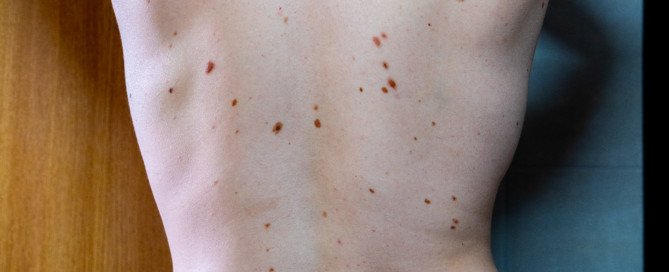
How Are Hundreds of Moles Removed All At Once?
You may want hundreds of moles removed all at the same time, after reading that having hundreds of moles is a risk factor for melanoma.
Or maybe you want hundreds of moles removed for cosmetic reasons.
Naturally, you’re wondering how hundreds of moles can be removed all at the same time.
“Truly this should never be done,” responds Dr. Jennifer Gordon, MD, board certified by the American Board of Dermatology and practices at Westlake Dermatology located in Austin, Texas.
“The only safe way to remove a mole is to actually cut it out with enough of a specimen to have it sent for pathological evaluation,” even if the removal is just for cosmetic concerns.
“You should never have a mole removed without having it tested,” continues Dr. Gordon.
“Because of this, each mole removal will leave a scar and is often not as cosmetically desirable as the mole itself.
“If moles need to be removed because they are worrisome for atypia or skin cancer, then they should be removed.”
Atypia refers to atypical moles.
These lesions are composed of cells that are atypical, or not quite like the surrounding normal skin cells.
The atypical nature makes them more likely, when compared to nearby typical cells, to ever evolve into melanoma.
Dr. Gordon points out that “moles should not be removed for preventative reasons. Moles are often removed for cosmetic reasons, which is fine as long as the patient is okay trading it for a scar and the mole is still tested.
“I often tell my patients to observe what they notice on other people’s skin—we are trained to see lumps/bumps and moles without really noticing them, but the smallest of scars can change light reflection and skin tension lines and actually be more noticeable.”
If you have hundreds of moles, you should examine them once a month.
This will be tedious and cause anxiety, so here’s the medical breakthrough that takes the burden off of you.

Dr. Gordon’s interests include medical dermatology, particularly the treatment and prevention of melanoma and other skin cancers in athletes. For 2016, 2017 and 2018 Texas Monthly Magazine selected her as one of the Texas Super Doctors Rising Stars.
Lorra Garrick has been covering medical, fitness and cybersecurity topics for many years, having written thousands of articles for print magazines and websites, including as a ghostwriter. She’s also a former ACE-certified personal trainer.
.
Top image: Shutterstock/Mikel Ugarte Gil

Why Pregnancy Causes New Moles in Vaginal Area

“Hormonal changes that occur in pregnancy can cause new moles to arise and moles to change” in the vaginal area or elsewhere, says Dr. Jennifer Gordon, who is board certified by the American Board of Dermatology; she practices at Westlake Dermatology located in Austin, Texas.
Dr. Gordon adds that sometimes a change in birth control or other medicines and conditions can result in the appearance of new moles, including in the area of the vagina.
The skin near the vagina is not exempt from developing pigmented lesions.
Dr. Gordon points out that “there are many other growths that can look like moles that occur with pregnancy (skin tags, angiomas, etc.) that are benign, and often the changes that occur with moles are often benign — but not always.”
New and Changing Moles after Age 30
“New and changing moles are more worrisome after the age of 30, but we do take it with a grain of salt during pregnancy,” says Dr. Gordon.
“That being said, atypical-appearing moles are treated the same whether you are pregnant or not and regardless of location, so new moles should be evaluated by your dermatologist during pregnancy.”
An angioma is a vascular network and may be the size of the period at the end of this sentence.
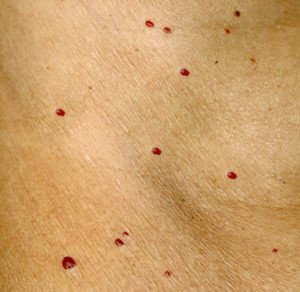
Angiomas. Shutterstock/Timonina
They can even be smaller, or may be a few millimeters in diameter.
They are bright to medium reddish (though they may appear light brownish depending on the room’s light).
They can be plentiful, especially on the back, chest, stomach, shoulders and upper arms, but are perfectly harmless.
When you do your monthly skin exams of moles, whether you are pregnant or not, make sure to include the area of your vagina, and that means moving the pubic hair about to see if there are any hidden spots on the skin.
Dr. Gordon’s interests include medical dermatology, particularly the treatment and prevention of melanoma and other skin cancers in athletes. For 2016, 2017 and 2018 Texas Monthly Magazine selected her as one of the Texas Super Doctors Rising Stars.
Lorra Garrick has been covering medical, fitness and cybersecurity topics for many years, having written thousands of articles for print magazines and websites, including as a ghostwriter. She’s also a former ACE-certified personal trainer.

Dozens of New Moles in a Few Months Mean Melanoma?

If you’ve noticed dozens of new moles over only a few months, you’ll want to bring this to the attention of a dermatologist if you’re worried about melanoma.
Dozens of new moles in only a few months does not mean you have melanoma.
But you may be wondering if dozens of brand-new moles appearing over a few months may mean a higher risk of melanoma, a most ruthless cancer.
Well, the new appearance is “usually not normal,” says Dr. Jennifer Gordon, MD, who is board certified by the American Board of Dermatology and who practices at Westlake Dermatology located in Austin, Texas.
But don’t panic.
First off, try to make sure that what you’re seeing, that’s appeared over the past few months, are actually new moles.
New Mole Confirmation
Dr. Gordon says that “many things look like moles but are not that can occur in crops and arise quickly: freckles, keratoses, etc.).”
Keratoses are benign skin growths that can look very much like moles.
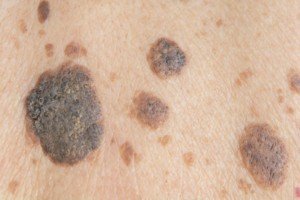
Seborrheic keratoses
“If true moles arise quickly, then it may mean an alteration in your immune system, a change in hormones or possibly other systemic or genetic conditions,” explains Dr. Gordon.
“Often there is a genetic predisposition to number of nevi [moles] or propensity to develop them.
“Typically they occur starting at a young age, and a person continues to make new moles, and moles can grow with a person until their 30s.”
Newly appearing spots, that look like moles, in middle age are not necessarily melanoma — they are usually benign nevi — but should be examined by a dermatologist.
“Both genetics and UV light play a role in forming nevi so there can be moles ‘where the sun don’t shine’ as well as having certain areas with more moles than others,” says Dr. Gordon.
“In general, a higher number of nevi correlates to a higher risk of melanoma, but this is not the only factor.
“If dozens of moles or other pigmented lesions occur within a short amount of time, it is always a good idea to see your dermatologist.”
Dr. Gordon’s interests include medical dermatology, particularly the treatment and prevention of melanoma and other skin cancers in athletes. For 2016, 2017 and 2018 Texas Monthly Magazine selected her as one of the Texas Super Doctors Rising Stars.
Lorra Garrick has been covering medical, fitness and cybersecurity topics for many years, having written thousands of articles for print magazines and websites, including as a ghostwriter. She’s also a former ACE-certified personal trainer.
.
Top image: Shutterstock/dean bertoncelj

Tiny Moles Growing in a Cluster: Could this Mean Melanoma?
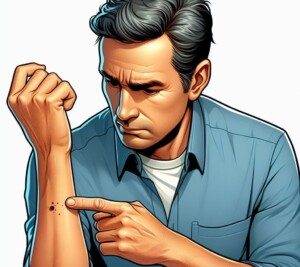
Have you discovered tiny moles growing in a cluster or groups on your skin and are fearing this could be a sign of melanoma?
First off, one thing you need to make sure of is if these spots are actually moles.
The first thing is, just because you think you have a group of tiny moles growing close to each other in a cluster, doesn’t mean that these are actually moles.
“It can be difficult to decipher true moles from other similar lesions such as freckles, keratoses and other brown spots that can occur on the skin,” says Dr. Jennifer Gordon, MD, who is board certified by the American Board of Dermatology and practices at Westlake Dermatology located in Austin, Texas.
A dermatologist can use a handheld lens called a dermatoscope to view these spots under high magnification.
This is combined with light, to make a distinction, though even with the unaided eye, a dermatologist can usually tell a seborrheic keratosis (a benign skin growth) from a mole.
“If there is a group of true moles that are small and grow close together, it likely doesn’t mean anything worrisome, but it is always a good idea to have them checked by a dermatologist.
“Often skin in the same area has the same genetics and exposures, so may be prone to forming moles.
“However, the same warning signs apply for small moles (and groups of moles) that do for individual: change in size, color, shape, border, symmetry or unwarranted irritation.
“If any of these occur then see your dermatologist immediately.”
A new appearance of what appears to be multiple small moles arising in a very small space warrants immediate evaluation.
Give yourself monthly skin self-exams so that you can become familiar with your mole mapping.
Learn what is normal so that if there are future changes to a spot on your skin, or the appearance of what seems to be groups of new moles, you will know that these are changes (e.g., size, symmetry, shape, color, texture).
Dr. Gordon’s interests include medical dermatology, particularly the treatment and prevention of melanoma and other skin cancers in athletes. For 2016, 2017 and 2018 Texas Monthly Magazine selected her as one of the Texas Super Doctors Rising Stars.
Lorra Garrick has been covering medical, fitness and cybersecurity topics for many years, having written thousands of articles for print magazines and websites, including as a ghostwriter. She’s also a former ACE-certified personal trainer.
.
Top image: ©Lorra Garrick
Can You Get Melanoma from Scratching a Mole?
Whether you deliberately scratch an itchy mole or just happen to scratch it because it’s in an itchy area, you may wonder if melanoma can be caused by this.
Melanoma from scratching a mole is “unlikely” but not a “say never” situation, says Dr. Jennifer Gordon, a dermatologist who is board certified by the American Board of Dermatology and practices at Westlake Dermatology located in Austin, Texas.
Cancer like melanoma occurs because of a mutation in DNA, which can happen from repeated sun exposure.
So on one hand, it does not make sense that a cancer like melanoma can be caused from scratching a mole; after all, how can this cause a derangement to its DNA?
Dr. Gordon explains, “You can never say never, but typically irritating a mole, such as scratching it, catching it on clothing or jewelry or having your young child ‘pull it off’ will not cause it to turn into a skin cancer.”
You can imagine the millions of women every year who get moles pulled at by the baby or toddler they’re carrying — without even realizing it.
And what about all the moles that get inadvertently scratched by clothing?
If scratching a mole can turn it into cancer, in the true sense of the word, then melanoma would be very common. It’s actually an uncommon cancer, though highly publicized.

Melanoma. Shutterstock/Krzysztof Winnik
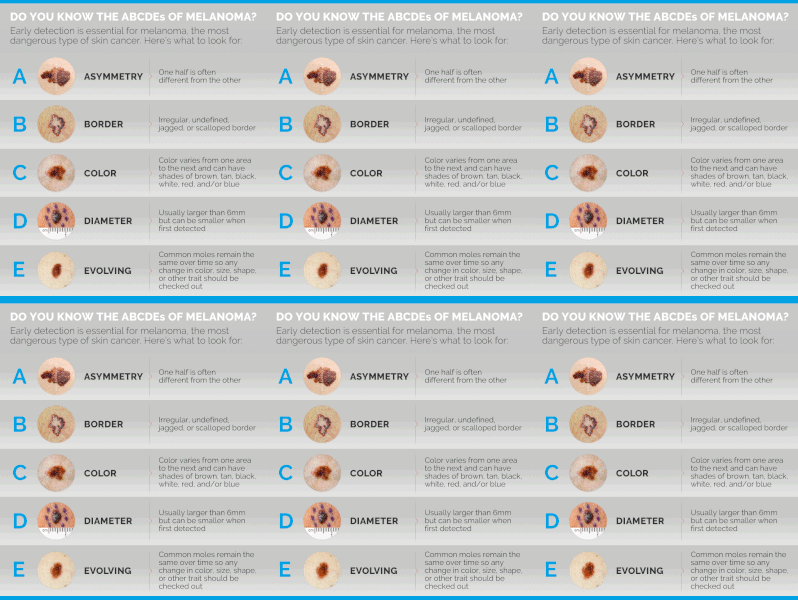
Dr. Gordon adds that scratching “can often cause the mole to change shape or actually grow in size slightly, but unless the mole has changed with regards to the ABCDEs of melanoma, then it has not likely caused any damage.
“We don’t recommend trying to remove your moles because often the resulting mole (or recurrent mole) can look funny and warrant a biopsy despite it originally being okay.”
Why Melanoma from Scratching a Mole is “Unlikely” Rather than Impossible
Dr. Gordon says, “Chronic irritation and prolonged wound healing can cause a change in growth factors in the skin, and certain types of skin cancers can form because of this stimulation.
“So although unlikely, have your mole checked by your dermatologist but don’t lose too much sleep over it.”
Dr. Gordon’s interests include medical dermatology, particularly the treatment and prevention of melanoma and other skin cancers in athletes. For 2016, 2017 and 2018 Texas Monthly Magazine selected her as one of the Texas Super Doctors Rising Stars.
Lorra Garrick has been covering medical, fitness and cybersecurity topics for many years, having written thousands of articles for print magazines and websites, including as a ghostwriter. She’s also a former ACE-certified personal trainer.
.
Top image: Shutterstock/LightField Studios





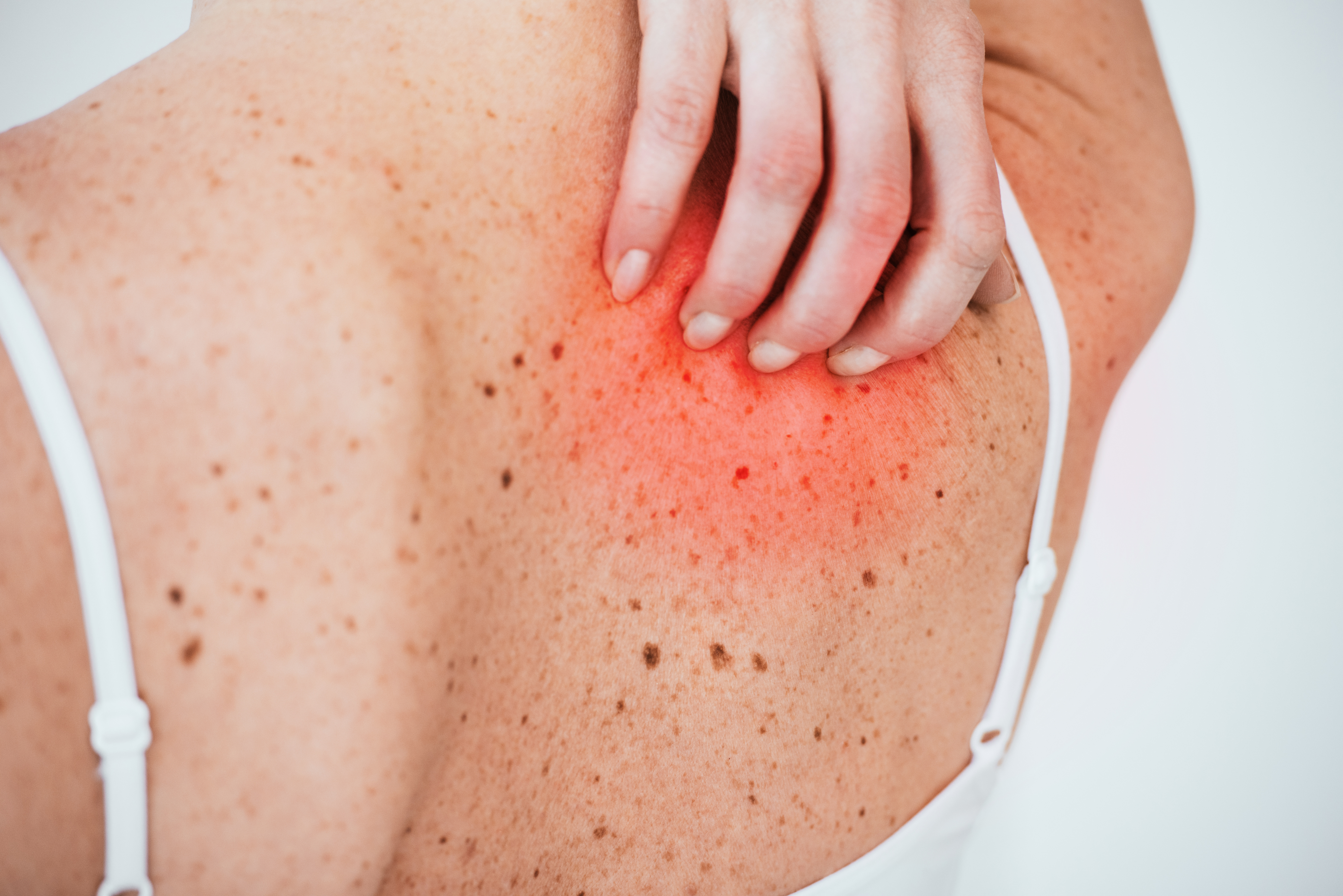
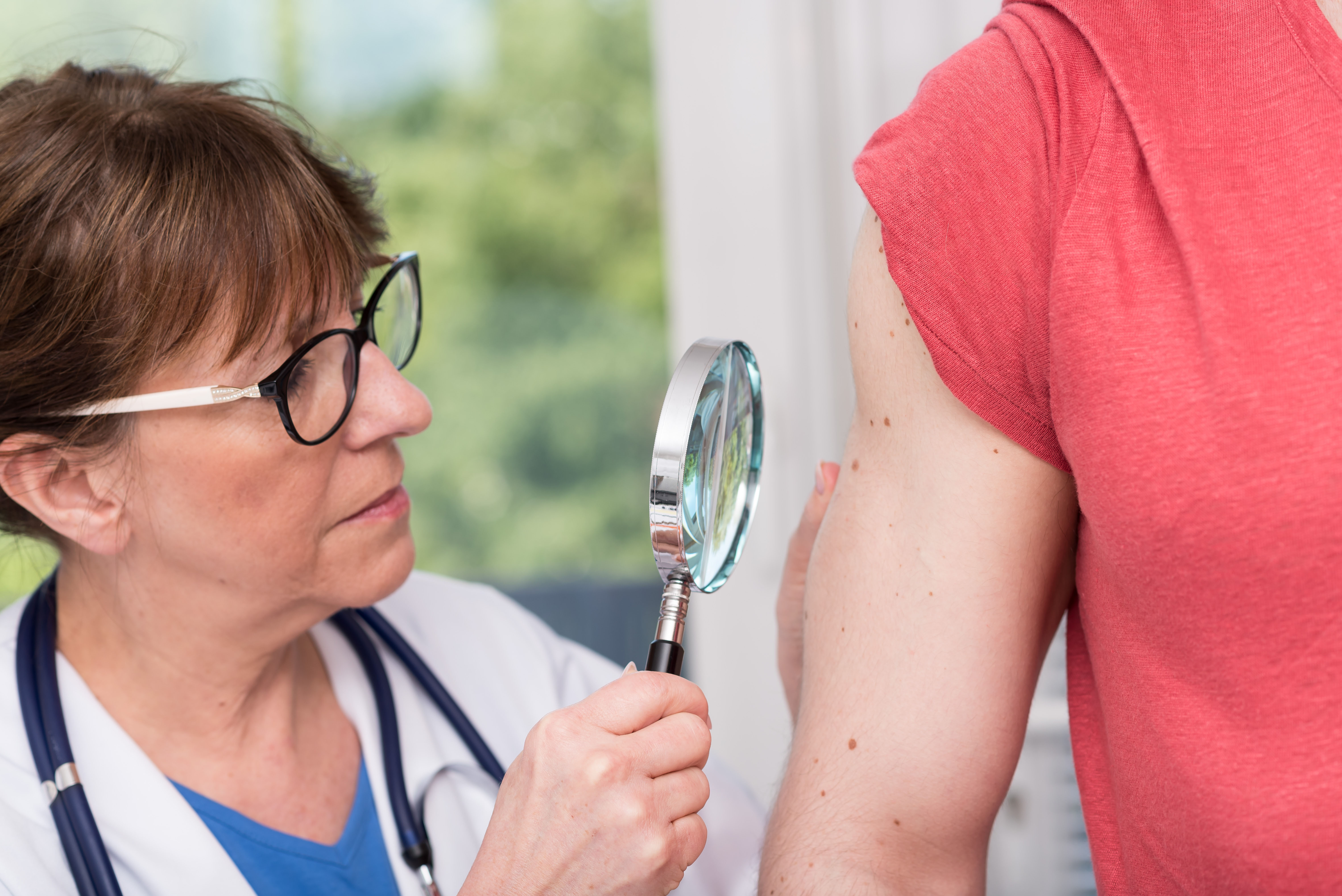
Can Moles Grow from Scabs?
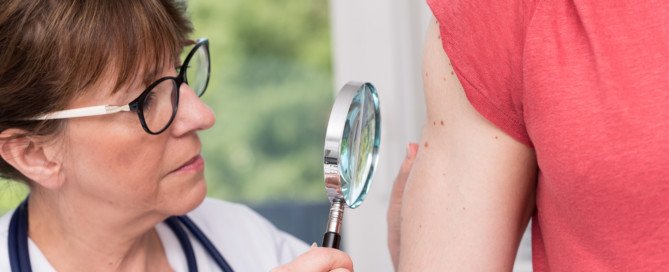
Whether or not moles can grow from a scab is a popular question.
And it has a definitive answer.
Composition of a scab vs. composition of a mole — do you know the difference?
A scab is composed up of dried blood and a binding tissue called fibrin.
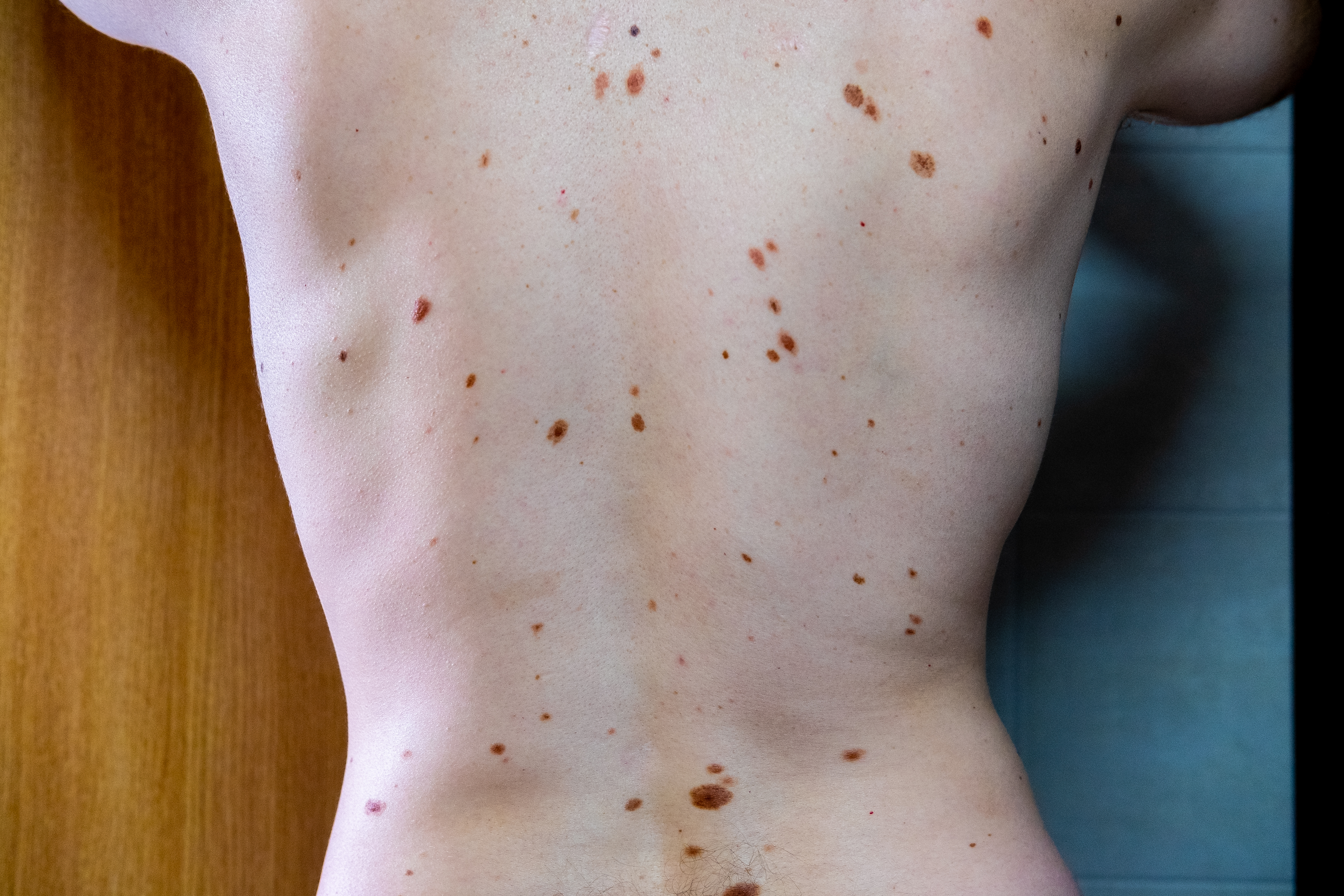
A mole is made up of cells that contain pigment. These cells are called melanocytes.
“Moles cannot grow from scabs,” says Jennifer Gordon, MD, a board certified dermatologist who practices at Westlake Dermatology in Austin, TX.
“There are some reports that injuries or chronic inflammation can trigger the growth of moles, so that might be one possibility of a mole arising after a scab was formed,” says Dr. Gordon.
But this does not mean that the mole outright grew directly from the scab.
Blood and fibrin cannot turn into a bunch of melanocytes, any more than a scab can morph into bone or muscle tissue.
“More likely are conditions called post-inflammatory hyperpigmentation or certain scars like dermatofibromas that can look pigmented and be easily mistaken for moles,” Dr. Gordon explains.
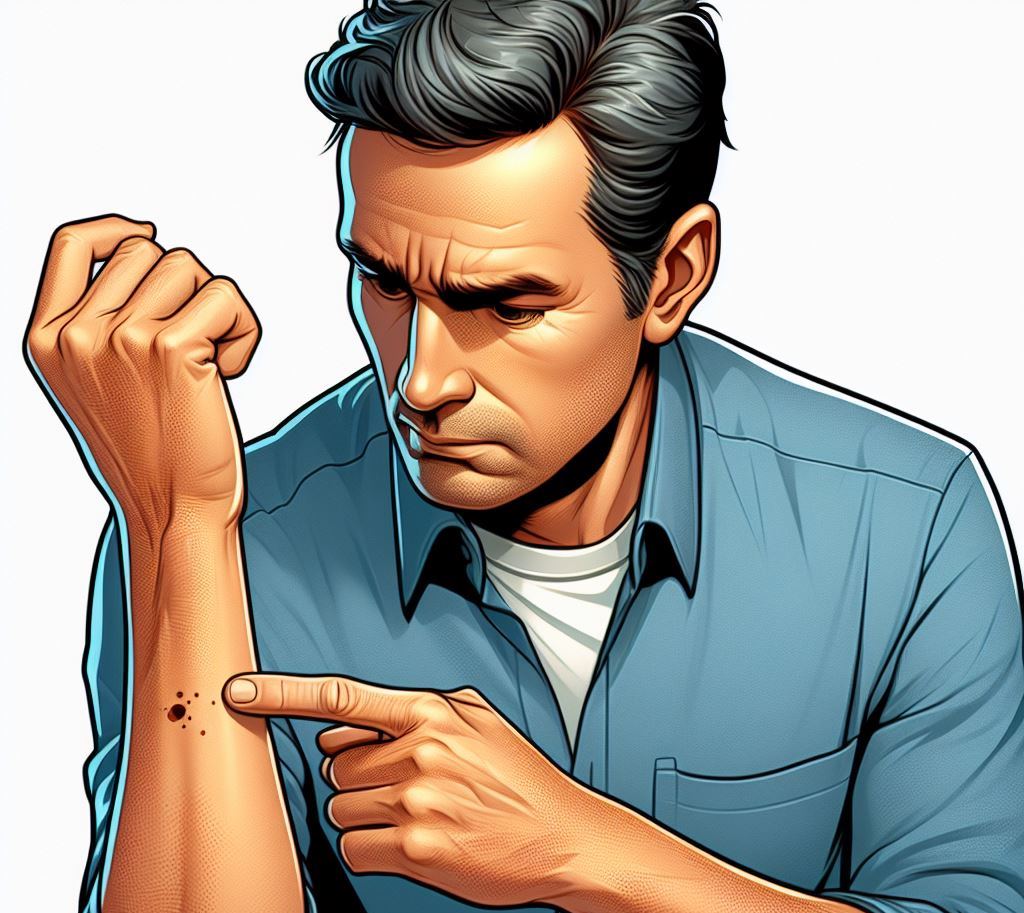
“The other thing that I often see as a dermatologist is that a patient was unaware of a mole and it became irritated or inflamed, and after the scab healed the mole was still present or looked larger or different.
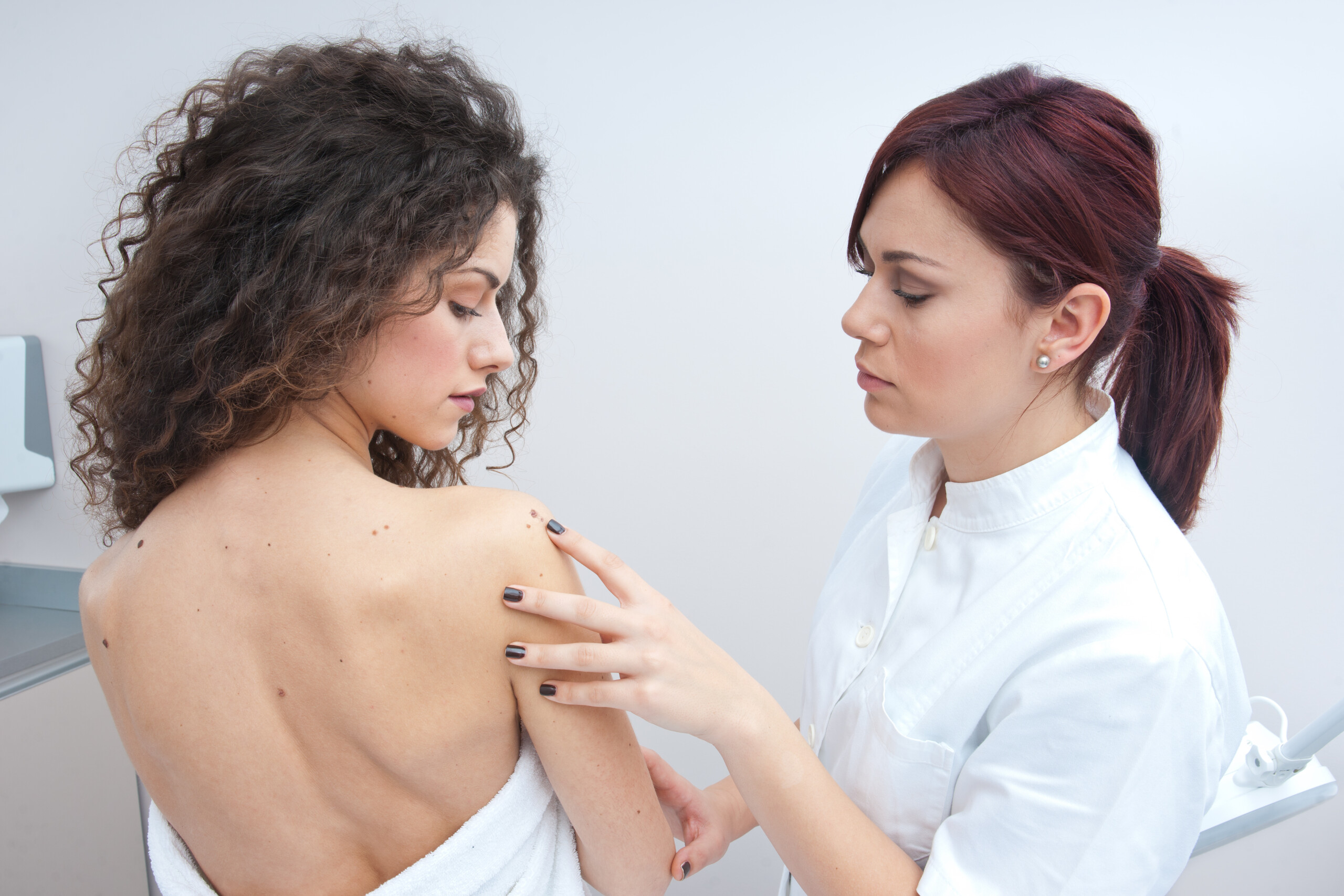
“Again, always a good idea to have any new moles [or what seem like new] or previously scabbed moles checked by your dermatologist.”
Dr. Gordon’s interests include medical dermatology, particularly the treatment and prevention of melanoma and other skin cancers in athletes. For 2016, 2017 and 2018 Texas Monthly Magazine selected her as one of the Texas Super Doctors Rising Stars.
Lorra Garrick has been covering medical, fitness and cybersecurity topics for many years, having written thousands of articles for print magazines and websites, including as a ghostwriter. She’s also a former ACE-certified personal trainer.
.