

Don’t Trust BMI? Look at Your Waist for Health Status

Some people think BMI is BS. What’s proven more telling about health is actually your waist circumference. Have you checked it lately?
Waist circumference may be a surprisingly useful way to spot obesity-related health risks, even when body weight doesn’t tell the whole story. (more…)

Trouble Giving up Sugary Drinks? Think Stomach Cancer

Next time you think you can’t go without a sugary soda or bottled juice, remind yourself this may add to a risk for stomach cancer.
A study from the Mass General Brigham Cancer Institute found that regular consumption of high sugar or sugar added juices may be associated with a greater risk of gastric cancer. (more…)

Cancer Cases Will Rise Exponentially by Year 2050
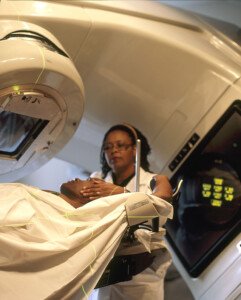
About one in five people worldwide will develop cancer. This disease is mankind’s greatest war against. How many people do you know who’ve had cancer?
The number of new cancer cases could rise to 34 million a year by 2050.

How to Tell if You Need Cardiac Calcium Scoring

Are you thinking of getting a calcium scoring of your heart to see if you have dangerous levels of calcified plaque in your arteries?
This 15 minute procedure can show the amount of buildup in coronary arteries.

Too Much Lighting at Night May Be Bad for Heart Health

Spending time around light at night may be linked to changes in the heart, according to a study involving more than 11,000 people.
The research appears in the European Heart Journal. (more…)

How Is It that Gut Problems May Be Connected to ADHD?

A review from University of Warwick researchers suggests that people with ADHD may be more likely to experience digetive problems.
Researchers analyzed 23 studies involving more than 1.9 million people.
Overall, gastrointestinal symptoms were nearly 50% more common among people with ADHD.

Living to 117 Years Old: What Does this Require?

Imagine living to age 117. Imagine how healthy and spry you’d probably be at age 90, if your body was destined to live another 27 years.
Researchers led by Dr. Manel Esteller studied Maria Branyas, the Catalan woman who lived past 117.
They examined her genetics, proteins, epigenetics, metabolism and gut microbiome.
The study, published in Cell Reports Medicine, found something more complicated than simply slow aging.
Branyas showed clear signs of extreme biological aging while also having traits associated with unusually healthy longevity.
Aging Signs and Protective Traits
Her biology included very short telomeres, an aging immune system, and older B lymphocytes.
Yet she also had genetic characteristics linked to brain and heart protection.
Her inflammation levels were low, and her gut microbiome contained many beneficial bifidobacteria.
Researchers also found that her epigenetic biological age was younger than her chronological age.
The combination suggests that exceptional longevity may not require escaping aging completely.
A person might show substantial biological aging while retaining protective features that reduce some of its harmful effects.
That distinction could be useful because it separates the signs of getting older from the biological damage that actually leads to disease.
Connections to Blood Cancer
Aging in the blood-forming system is associated with greater risks of leukemia and myelodysplastic syndromes.
Branyas’s biological profile could therefore help researchers understand why these diseases become more common with age and why some older people remain less vulnerable.
Studying Aging Without Major Disease
Branyas’s lack of serious illness was another unusual part of the case.
It gave scientists a rare chance to examine aging without major diseases obscuring the picture.
The researchers point out that her biology can’t prove that particular lifestyle choices caused her long life.
Still, they mention a healthy diet, an active and diverse social network, and avoiding harmful habits as possible influences.
The study gives researchers a detailed picture of extreme human longevity.
It may help them identify biological changes that could someday be slowed or reversed.
Scientists are already investigating epigenetic therapies and drugs that target senescent (aging) cells, including in cancer research. Both areas are closely connected to the biology of aging.
If life expectancy is beginning to plateau, treating the underlying biology of aging could become an important future strategy.
Instead of treating each age-related disease separately, medicine might eventually target some of the processes that make those diseases more likely.

Lorra Garrick is a former personal trainer certified by the American Council on Exercise. At Bally Total Fitness, where she was also a group fitness instructor, she trained clients of all ages and abilities for fat loss and maintaining it, muscle and strength building, fitness, and improved cardiovascular and overall health.

Lifestyle Programs May Improve Brain Health in Older Adults

A two-year study suggests that lifestyle changes can improve cognition in older adults at risk for dementia.
The LatAm-FINGERS study involved people across 11 Latin American countries. (more…)

More Chair Time by the Hour Means Greater Cancer Death Risk

A study found that each additional hour spent in prolonged, uninterrupted sedentary periods was linked to a 9% greater risk of dying from cancer.
The research was published in PLOS Medicine.

ADHD Not Just Deficits; Could Be Source of Creativity










More research shows that, along with ADHD’s challenges, comes an extra shot of creativity.
A study, published in iScience, looks at how attention and creativity overlap in the brain.
The researchers suggest that defocused attention, often linked with ADHD, can sometimes help people make unusual connections and generate ideas. (more…)