

Diarrhea, Stomach Pain: Crohn’s Disease: PillCam Can Diagnose

Suffer from stomach pain and diarrhea?
This could be Crohn’s disease, which can be diagnosed by swallowing a pill that has a camera.
Crohn’s disease often presents with two key symptoms: diarrhea and stomach or abdominal pain.
The diagnosis can be missed by more common tests, resulting in a misdiagnosis.
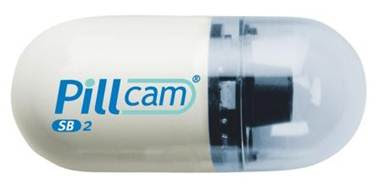
For example, 24-year-old Sarah had been suffering from diarrhea and abdominal pain, and underwent many tests, getting no answers.
Finally she was given the PillCam SB, and was diagnosed correctly with Crohn’s disease.
“PillCam is a marvelous innovation and very effective imaging tool to look at the small intestine, which cannot be examined in its entirety with upper endoscopy or colonoscopy,” says Nadeem Baig, MD, a board certified gastroenterologist and hepatologist at Monmouth Gastroenterology, a division of Allied Digestive Health.
“PillCam is used to look for bleeding or tumors in the small intestine. It can also pick up ulcers and inflammatory disorders of the small intestine, like Crohn’s disease for example.”
What is Crohn’s?
It’s a type of Inflammatory bowel disease that can affect any point along the GI tract, and other than abdominal or stomach pain and diarrhea, can also cause blood in the stools, ulcers, appetite suppression, weight loss, fatigue, arthritis, fever, skin disorders, mouth sores and an inflamed liver.
These symptoms, particularly if limited to diarrhea and stomach pain, can also mean many other conditions.
Thus, if you suffer from abdominal pain or cramping, and diarrhea, it’s crucial to get an accurate diagnosis.
There’s no cure for Crohn’s, and in three-quarters of patients, lesions exist in the small bowel.
Historically, it’s been difficult for doctors to visualize via instruments the small bowel.
Yet this area is crucial for ongoing monitoring for Crohn’s patients, even when symptoms are in remission.
In fact, this disorder can progress in the bowel without a symptom presentation.
To assess activity of the Crohn’s condition, doctors typically use a CAT scan, which emits radiation.
Camera in a Pill: PillCam SB
PillCam SB is capsule endoscopy, a non-invasive, non-radiation method of viewing the lining of the lower bowel, yielding a better view than what a CT scan can deliver.
How big is the FDA-approved PillCam SB?
It’s 11 mm x 26 mm and contains an imaging device plus light source. It rapidly transmits images, totaling over 50,000 pictures per procedure duration.
Patients as young as two years can use this device, considered the gold standard for evaluating the small bowel.
For those with Crohn’s disease or any disorder who are concerned about any risks from PillCam SB, those risks include retention or aspiration of the capsule, or skin irritation.
The endoscopic placement of the capsule may also pose some risks.
“The one time PillCam should not be used is If one suspects they have a blockage in the small intestine,” says Dr. Baig. “In such a scenario, it can get stuck and require surgery to remove.”
If you have unexplained stomach pain and/or diarrhea, make an appointment with a gastroenterologist.
 Dr. Baig’s specialties include gastrointestinal cancers and liver disease, plus gallbladder, biliary tract and pancreatic disorders. He is an assistant clinical professor of medicine at the University of Medicine and Dentistry of NJ/Robert Wood Johnson Medical School.
 Lorra Garrick has been covering medical, fitness and cybersecurity topics for many years, having written thousands of articles for print magazines and websites, including as a ghostwriter. She’s also a former ACE-certified personal trainer.
.
Top image: Freepik.com/ jcomp
Source: givenimaging.com
NOISE INDUCED HEARING LOSS Causes, Prevention, Who’s at Risk
Noise pollution is a very real problem, says the EPA, yet few people take the risks of hearing loss seriously.
We are still in the Dark Ages when it comes to understanding the risks of noise pollution for hearing loss and also its effects on general health.
Humans did not evolve in a loud, noisy environment.
The nerve cells in our ears are fragile and cannot be regenerated once they’re destroyed by the onslaught of loud sounds.
NIHL: Noise Induced Hearing Loss. What Makes You Think You’re Immune?
“The most common causes of NIHL are sudden, loud bursts of sound (like a gunshot or a car accident) and prolonged exposure to loud noise (like loud music or power tools as well as music),” says Rivka Strom, AuD, CCC-A, chief audiologist at Central Hearing LLC in NY.
“NIHL can be caused by a one time exposure to an intense impulse sound or from continuous exposure to loud sounds,” continues Strom.
“Recreational activities and occupational activities can include target shooting, lawn mowing, and listening to very loud music, especially through earbuds.
“In general, listening to any noise at an unsafe level for an extended period of time is damaging.
“The higher the level of noise and the longer individuals are exposed to it, the greater the risk of suffering harm from it.”
*****
Things to Think About
People will wear sunscreen at outdoor sporting events like football and baseball games, and auto racing, but won’t wear hearing protection.
They don’t want sun-induced skin cancer or wrinkles, but what about noise induced hearing loss from the roaring of fans or the sounds of engines?
All people should wear earplugs or noise cancelling headphones at sporting events for as much time as possible.
If you anticipate doing a lot of talking, then earplugs are the better option, as these can easily be loosened and tightened.
Custom made earplugs are virtually invisible. Unfortunately, not a whole lot of people encourage their teenagers to wear earplugs at live concerts. The adults themselves hardly ever do that.
If teens want to preserver their naturally good hearing, they need to use earplugs at concerts.
ALL loud volume can damage hearing, regardless of the nature of the sound — be it drums at a loud concert, aircraft flying low, a chainsaw, a motorcycle or even children screaming during play.

Dr. Strom is a member of the American Speech Language and Hearing Association and has received several awards including Brooklyn College’s Excellence In Audiology Award.
 Lorra Garrick has been covering medical, fitness and cybersecurity topics for many years, having written thousands of articles for print magazines and websites, including as a ghostwriter. She’s also a former ACE-certified personal trainer.
Top image: Shutterstock/Yeexin Richelle

Can Being Around Screaming Kids Ruin Your Hearing?

An audiologist addresses a fair question: Can hearing be damaged by screaming children?
I was inspired to interview an audiologist for this article because my sister has been diagnosed with bilateral moderate hearing loss.
She has three kids and two are particularly loud, the whoop-and-holler type. A game of Scrabble will get these teen girls quite loudly excited.
They also have a habit of yelling out to their mother when they want her attention.
By the time they were 17 and 15, my sister had been diagnosed with the hearing loss. That’s a lot of years to be exposed to loud kids.
Being that these girls were so loud as teenagers, I can imagine that when younger, they did a lot of screaming when playing or when excited.
After I told the expert source for this article that my sister has always worked in quiet environments, didn’t wear earbuds, blast her music, hang around loud machinery, shoot guns or participate in other loud activities, here is what my expert source stated:
“I suppose it is fair to conclude that repeated exposure to screaming children over a period of many years could have caused her moderate nerve type hearing loss,” says Rachel Raphael, M.A., CCC-A, an audiologist with ENT Baltimore.
“For those who worked in daycare or around loud children, we usually don’t consider that a risk factor for noise induced hearing loss, but I’m sure there are exceptions.
“Once again, not only the loudness/intensity of the sound, but individual susceptibility and length of exposure must be considered.”

Rachel A. Raphael specializes in clinical audiology and hearing aid dispensing. She helps in the diagnosis of hearing loss, tinnitus, dizziness and vestibular pathology in adults and children.
Lorra Garrick has been covering medical, fitness and cybersecurity topics for many years, having written thousands of articles for print magazines and websites, including as a ghostwriter. She’s also a former ACE-certified personal trainer.
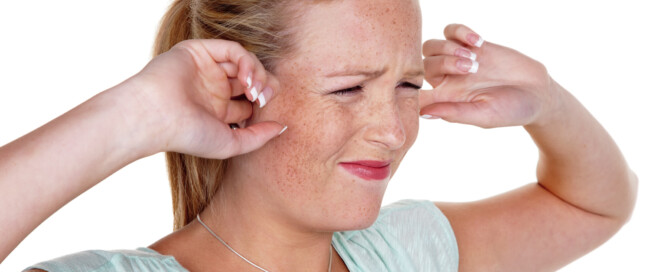
Hearing Loss from Group Fitness Classes: Truth or Hype
Anybody who’s health conscious will want to know the truth about hearing loss dangers from pounding music in group fitness classes.
Imagine you, the group fitness class enthusiast, are transported back in time about 60 years. Your mission is to spread the word that smoking damages the lungs.
Yeah, right. People will think you’re nuts. Cigarettes are offered to passengers on airplanes. Print ads for cigarettes say, “Just what the doctor ordered.” Ads for cigarettes are all over TV.
It took decades for the truth about smoking’s hazards to be taken seriously.
Unfortunately, this same denial continues to be playing out when it comes to the damage that thundering music in group fitness classes causes to hearing.
Attend enough fitness classes and you’ll get hearing loss.
“It is true that group fitness participants like their music loud to be motivated to move in their workouts,” says Rachel Raphael, M.A., CCC-A, an audiologist with ENT Baltimore. She’s also a certified group fitness instructor..
“The catchphrase of my popular Les Mills certifying agency (out of New Zealand) was ‘Turn It Up!’ which kind of makes me cringe knowing the potential danger in blasting our music.”
Vast Majority of Fitness Class Instructors in Denial about Hearing Loss Risk
“As an audiologist, I have an obligation to limit the output of the music, and not ‘turn it up,’ so that I don’t cause hearing loss in the participants,” says Raphael.
“I believe there is a happy medium where the music can be loud enough without being dangerously loud.”
The music in fitness classes is louder today than it was in the 1970s, even ‘80s. It seems to be getting louder and louder. The excessive amplification of the group fitness class leader’s microphone makes the issue even worse.
Raphael says that she jokes to her class she’d be happy to fit them with hearing aids “in the near future if they insist on louder music!”
Group Fitness Classes Are Not Night Clubs or Rock Concerts
The music volume, says Raphael, “should never be in the category of rock concert loud (approximately 120 decibels), or to where people experience tinnitus (ringing in the ears; phantom ear noises) or fullness in the ears following the exposure (a sign of temporary threshold shift), like is often reported after rock concerts.”
Good hearing just as important as good cholesterol, good bone health and good muscle tone!
“Typically, the rule of thumb is sounds of 85 dB (average factory) or louder are potentially damaging to the fragile hair cells of the inner ear cochlea (length of exposure and individual susceptibility also play a big role), and people should limit their duration and/or use hearing protection in their presence.”
Performing complicated or grueling moves in a fitness class will not protect even the fittest person from hearing loss when the music is thundering.
Unlike coronary heart disease, hearing loss is NOT reversible.
Rachel A. Raphael specializes in clinical audiology and hearing aid dispensing. She helps in the diagnosis of hearing loss, tinnitus, dizziness and vestibular pathology in adults and children.
Lorra Garrick has been covering medical, fitness and cybersecurity topics for many years, having written thousands of articles for print magazines and websites, including as a ghostwriter. She’s also a former ACE-certified personal trainer.
.
Top image: Shutterstock/Lisa-S

Can Slamming Weights at the Gym Cause Hearing Loss?
It’s time for the big boys to admit it: Slamming and banging weights will likely damage hearing over time.
For this article on hearing loss resulting from weights being thrown, slammed and banged around at gyms, the expert source is Rachel Raphael, M.A., CCC-A, an audiologist with ENT Baltimore.
An audiologist is an expert in hearing loss, measures people’s hearing and fits patients with hearing aids.
Raphael explains, “I never actually took a sound level meter to the smashing of weights in a weight room, but it is likely that even short durations of loud intense weights dropping, can have the same potential damage to hearing as a shotgun blast or an air bag deploying (both estimated at 140 dB).”
I’ve been lifting heavy weights for years and years, and I’ll admit, even the loudest sound of a 400 pound barbell crashing to the floor from an uncontrolled deadlift doesn’t seem as loud as a shotgun blast.
However, Raphael is pointing out that the banging and clanging of weights need not be as loud as a shotgun blast to cause hearing loss.
So how loud IS all the smashing and banging of weights at a gym?
Imagine when it really gets loud. This can be either from a number of men banging the metal plates together when loading barbells or other equipment, or from one solitary individual deliberately smashing plates or letting the weight stack on a machine slam down to get attention.
It’s NEVER an issue of exhaustion.
Some heavy lifters utilize control all the way to the end of a mammoth set, and besides, most of the exceedingly loud banging occurs when loading equipment.
Plus, many of the men who let weights crash down at the end of a set don’t even use that much weight.
Anyways, imagine the noise.
You know it’s intermittent rather than continuous like a chainsaw.
Now, imagine that it’s continuous. To me, it seems as though if continuous, the sound of banging metal upon metal weight plates, or letting very heavy barbells crash to the floor, would be at least as loud as a chainsaw only a few feet away, even louder – maybe almost as loud as firecrackers going off continuously.
With that said, Raphael further explains, “If in fact, the smashing weights are in this range for volume, it wouldn’t take much for the person at close range to suffer permanent damage, in the way of high frequency sensorineural hearing loss and/or tinnitus as a symptom secondary to the damage in the cochlea (inner ear).”
Few men who ripple with muscle and bench press 300 pounds will admit they might have hearing loss.
Now here’s a chilling fact:
When I speak to men in the gym to ask about equipment availability or have small-talk, they often ask me to repeat myself!
My speech is clear and articulate. Why aren’t they hearing me? Well, maybe because the gym is loud.
However, I can hear them just fine, even though they’re not talking particularly loud; their vocal volume is in a normal range.
Now get this: I’m able to hear them even though I have decibel-reduction ear muffs on at all times! The reduction is 29 dB, yet I can understand speech in a noisy gym.
Don’t take this as boasting. It’s my way of pointing out some very powerful anecdotal evidence that many men in gyms have hearing loss.
Perhaps for some of these men, the hearing loss stems from a loud factory job, frequent concert or ball game attendance or blasting music in their cars.
But let’s be more realistic:
Over a period of years, the amount of time that these men have spent in an environment replete with banging, clashing metal-upon-metal noise is SIGNIFICANT.
Exposure to recurring loud noise is hazardous to the nerve cells in the ears that transmit sound waves to the brain.
Repeated insults to these nerve cells will cause hearing loss. It’s a simple concept.
Ramming a 45 pound metal plate into another produces a VERY LOUD sound.
Multiply that out over the course of one workout—several times a week—52 weeks a year—over 10 years.
Banging Metal Plates at the Gym Is a Recipe for Hearing Loss
“The person who is more susceptible to damage (no way of knowing in advance) is all the more at risk, with even less intense exposures and shorter durations of exposure of any type,” says Raphael.
“I have no doubt (without any hard data to back me up) that the loud banging of metal plates against each other in the weight room falls into the category of dangerously loud.
“Most gyms and weight rooms discourage the banging or throwing of weights as a matter of good etiquette.
“When lifting weights, good ear safety is every bit as important as good technique to keep the workout safe!”
Rachel A. Raphael specializes in clinical audiology and hearing aid dispensing. She helps in the diagnosis of hearing loss, tinnitus, dizziness and vestibular pathology in adults and children.
Lorra Garrick has been covering medical, fitness and cybersecurity topics for many years, having written thousands of articles for print magazines and websites, including as a ghostwriter. She’s also a former ACE-certified personal trainer.

Wood Chipper Can Damage Hearing: Wear Ear Protection

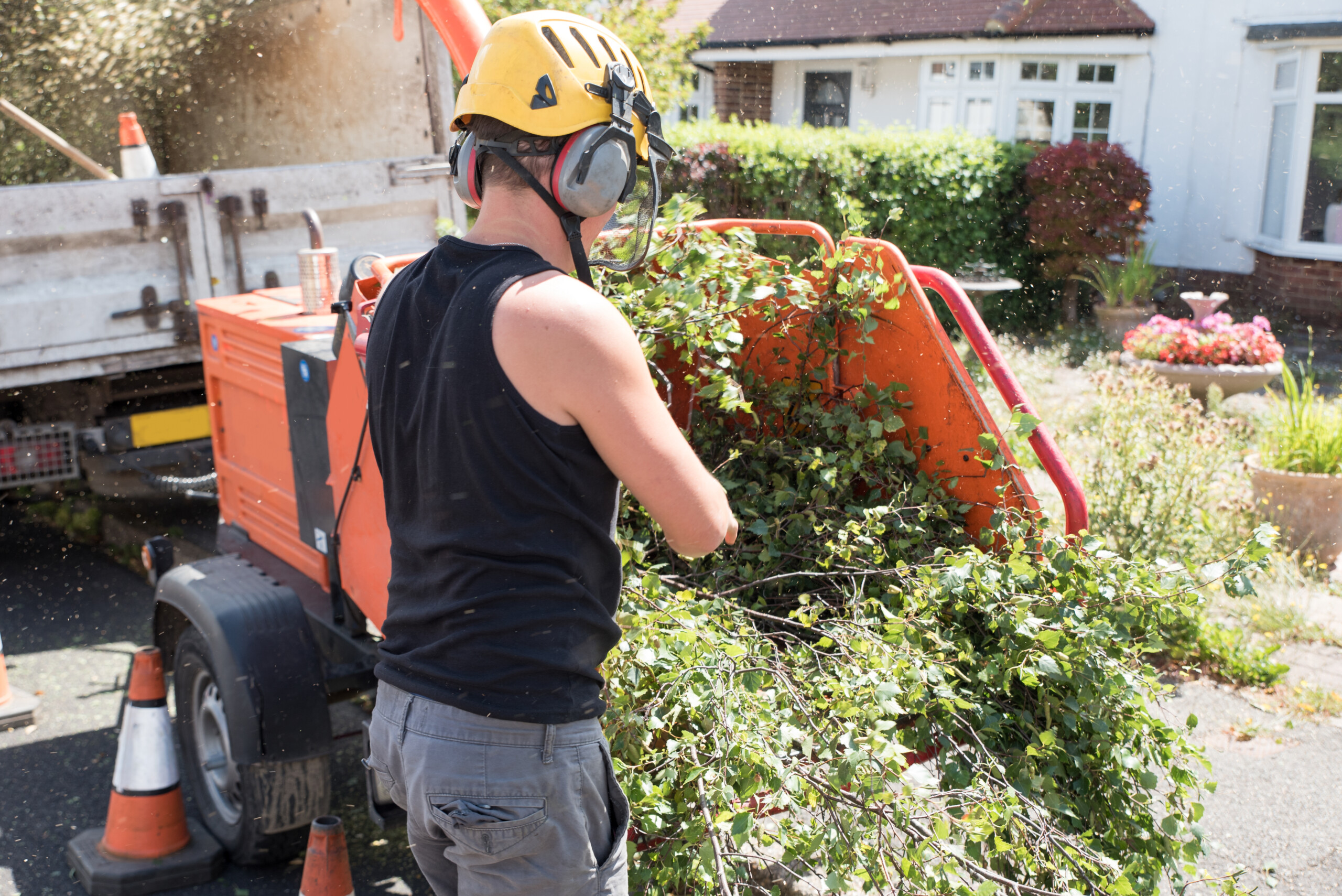
I’m stunned that often, I see men without hearing protection working around wood chippers.
Wood chippers can be screaming loud, yet many workers continue to “chip” without protection for their ears. A typical wood chipper comes in at 110 decibels.
A decibel is a unit of sound volume. Working all day around 110 dBs, even if it’s not continuous, is asking for a lot of trouble.
For comparison, a chainsaw is 105 decibels. This data is from Cornell University’s Toolbox Safety Talk Hearing Conservation guidelines.
Rachel Raphael, M.A., CCC-A, an audiologist with ENT Baltimore, explains that she would “urge anyone using this or other loud construction tools, drills, saws, mowers, etc., to use hearing protection!”
SHALL IT BE THIS ?
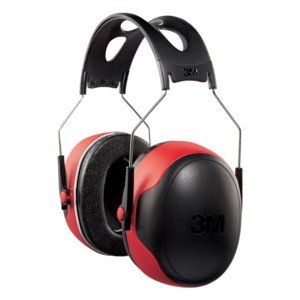
OR THIS ?
Shutterstock/Andrey_Popov
Sometimes I DO see tree workers with industrial ear muffs while around the wood chipper.
And I’m sure there are those who wear custom-made ear plugs which an observer would not be able to see.
But many don’t think about damage to their ears from these machines and hence, go without protection.
“Young people think they’re not vulnerable to hearing loss (because young ears and hair cells usually bounce back initially from loud exposure), but over time, the temporary damage turns into permanent damage, and for now, scientists have not been able to regenerate hair cell growth in human cochleas (only in some lower forms of lab animals),” explains Raphael.
“I tell my patients to take care of the hearing they have control over, because soon enough, we will all ultimately suffer the effects of hearing loss that comes with old age.
“And although digital hearing aids are smaller and more sophisticated than ever, they will never be as good as our own healthy normal hearing ears.”
To guard against hearing loss when around a wood chipper, drug store earplugs may not be effective enough. You may be able to find a good pair from an online retailer, but you’ll need to try different kinds.
If you don’t succeed, you can always use the muffs or custom made earplugs.
Rachel A. Raphael specializes in clinical audiology and hearing aid dispensing. She helps in the diagnosis of hearing loss, tinnitus, dizziness and vestibular pathology in adults and children.
Lorra Garrick has been covering medical, fitness and cybersecurity topics for many years, having written thousands of articles for print magazines and websites, including as a ghostwriter. She’s also a former ACE-certified personal trainer.
.
Top image: Shutterstock/Roy Pedersen
Source: sp.ehs.cornell.edu/osh/occupational-health/hearing-conservation/Documents/Hearing%20Conservation%20toolbox%20talk.pdf
Can a Deep Vein Thrombosis Be Permanent?
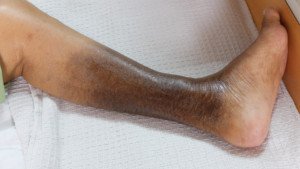
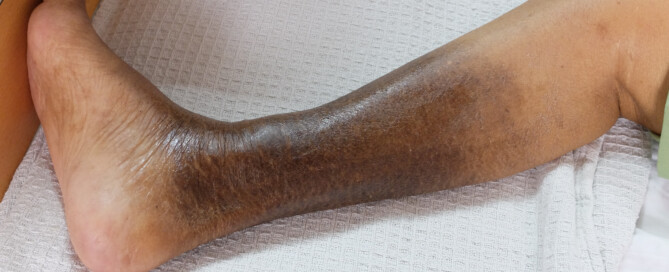
Warning: A DVT can leave permanent effects. You want to do everything possible to avoid this very serious (and highly avoidable) condition.
A vascular surgeon responds to the question: Can a deep vein thrombosis become permanent?
Athletic people or fitness enthusiasts are NOT immune to the development of a deep vein thrombosis.
Even a very fit woman, who’s on birth control and fails to move her legs around much during a long airline flight can end up with a blood clot in her leg.
Can a deep vein thrombosis become permanent?
“Yes it can…which can then lead to the post thrombotic syndrome,” begins Paul Lucas, MD, surgeon with the Vascular Center and director of the Vascular Laboratory at Mercy Hospital in Baltimore.
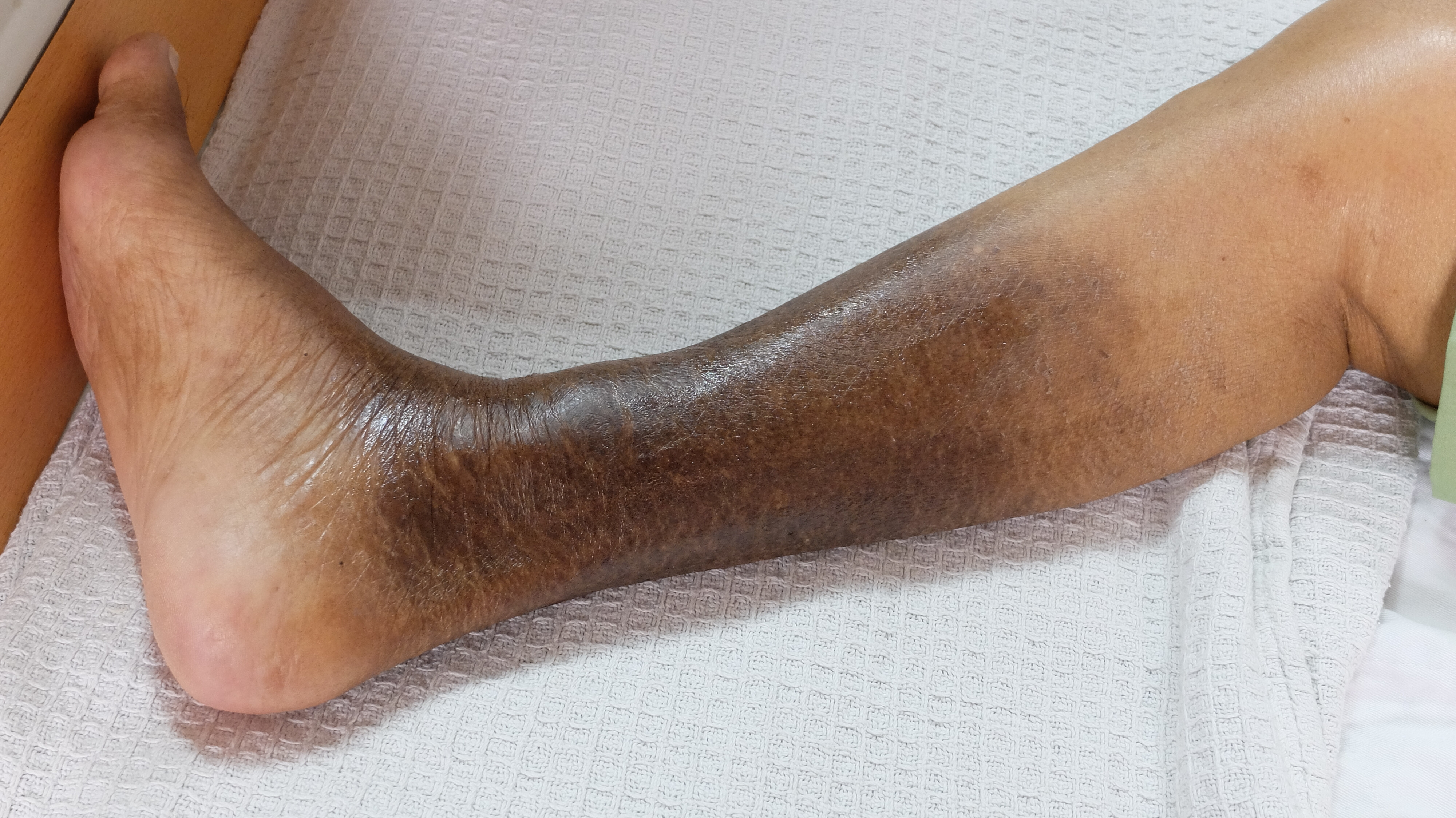
“These are signs and symptoms that may occur as a long-term complication of DVTs. This includes chronic pain, swelling, itching, skin discoloration (stasis dermatitis), ulceration, heaviness and even varicose veins.”
Treatment for Acute Deep Vein Thrombosis
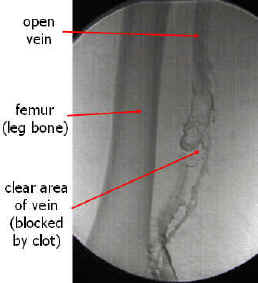
“Thrombolysis, the chemical/or mechanical means to break down a clot, can be offered if the DVT is considered acute,” says Dr. Lucas.
“Usually, this can be done within the first two weeks of the DVT formation.”
However, continues Dr. Lucas, not all patients are candidates for thrombolysis. An example would be a pregnant woman developing a DVT.
The thrombolytic agent has the potential side effect to cause sudden internal bleeding.
Catheter-targeted thrombolysis involves radiation exposure.
“These would be potentially harmful to the fetus and the mother,” says Dr. Lucas.
“After the window of opportunity to lyse the thrombus has been passed, the clot would be considered permanent,” in the case of a pregnant patient.
“Our bodies also have a means to break down a clot, called the fibrinolytic system, and sometimes this can lead to recanalization of veins, or even completely remove the clot.”
-
- Abdominal surgery — recent
- Age over 60
- Airline travel — prolonged
- Bedrest — extended
- Birth control pills
- Cancer (active malignancy)
- Chemotherapy
- Chronic heart failure
- Chronic kidney disease
- Chronic venous insufficiency
- Dehydration
- Factor V Leiden mutation
- Family or personal history of DVT
- Fracture, major trauma
- Heart attack
- Hormone replacement therapy
- Joint replacement surgery: recent
- Obesity or moderate overweight
- Paraplegia or quadriplegia
- Pregnancy — current
- Sedentary lifestyle
- Sitting excessively most days
- Smoking, chewing tobacco
- Ultra-processed food diet and lastly, varicose veins
 Dr. Lucas leads a team of vascular surgeons and technologists who specialize in the diagnosis and treatment of patients with diseased blood vessels.
Lorra Garrick has been covering medical, fitness and cybersecurity topics for many years, having written thousands of articles for print magazines and websites, including as a ghostwriter. She’s also a former ACE-certified personal trainer.
.
Top image: Shutterstock/Casa nayafana

Can Fish Oil and Garlic Supplements Lower DVT Risk?

Find out what a DVT expert says about fish oil and garlic supplements as preventive measures.
A deep vein thrombosis is a pretty common condition in the general population, but there are those individuals who are at particularly high risk.
And those are people with multiple risk factors. Any one of the following risk factors, when combined with one, and especially two, of any of the others, puts a person at a noteworthy risk for a DVT.
- Smoker
- Obese
- Sedentary lifestyle, no regular exercise, excessive daily sitting
- Use of birth control pills
- Frequent air traveler, long flights, few walking breaks while on the plane
- Long distance truck driver who takes few walking breaks
- Recent joint replacement surgery
- Recent abdominal surgery
- Excessive bed rest for some other condition
- Pregnancy
The thicker that blood is, the more likely it will clot under the right circumstances, such as the risk factors above.
Aspirin thins out the blood, but it comes with side effects, namely stomach upset. It can also cause internal bleeding.
Fish Oil, Garlic and DVT Risk

Fish oil and garlic are natural blood thinners and anti-inflammatory agents.
Can they help lower the risk of a deep vein thrombosis?
“Yes, fish oil can have a protective effect [against deep vein thrombosis], as omega-3 fatty acids are known to reduce inflammation throughout the body,” says Paul Lucas, MD, surgeon with the Vascular Center and director of the Vascular Laboratory at Mercy Hospital in Baltimore.
Inflammation Is a Precursor to DVT
“Inflammation to damaged cells lining veins can lead to thrombus formation,” says Dr. Lucas.
“Garlic is an effective blood thinner and may reduce DVT risk. These do convey some risk reduction, but small.”
Popping fish oil and garlic supplements doesn’t give you a pass for sitting in your truck’s cabin for five hours straight, or refusing to get up and walk around a little bit while on a long airline flight. Or to continue smoking.
Rather, fish oil and garlic supplements are an adjunct to an overall program that’s designed to prevent your blood from becoming thick and sticky, leading to a dangerous clot.
Fish oil contains omega-3 fatty acids that help reduce blood clotting by making platelets less likely to stick together.
Garlic has compounds that may help lower blood pressure and improve blood flow.
When used alongside a healthy diet, consistent cardio and resistance exercise, and other lifestyle changes such as keeping hydrated, these supplements can support cardiovascular health and reduce the risk of clot-related complications.
Fish oil supplements come in capsules, liquid and softgels.
Capsules are a popular choice due to their convenience and ease of swallowing, while softgels offer a similar benefit but are often easier to digest.
Liquid fish oil provides the option for those who prefer not to take pills, though it has a strong taste that some may find unpleasant.
Additionally, fish oil supplements can be found in flavored versions to mask the fishy taste.
Garlic supplements also come in various forms. The most common are garlic capsules or tablets, which contain powdered garlic or garlic extract and are designed to reduce the strong odor associated with fresh garlic.
Garlic oil supplements are another option, providing garlic’s benefits in a liquid form, usually in softgel capsules.
Additionally, there are aged garlic extracts available, which are often marketed as having fewer odor issues and potentially enhanced health benefits.
Any form of fish oil or garlic will help lower the risk of DVT.
-
- Abdominal surgery — recent
- Age over 60
- Airline travel — prolonged
- Bedrest — extended
- Birth control pills
- Cancer (active malignancy)
- Chemotherapy
- Chronic heart failure
- Chronic kidney disease
- Chronic venous insufficiency
- Dehydration
- Factor V Leiden mutation
- Family or personal history of DVT
- Fracture, major trauma
- Heart attack
- Hormone replacement therapy
- Joint replacement surgery: recent
- Obesity or moderate overweight
- Paraplegia or quadriplegia
- Pregnancy — current
- Sedentary lifestyle
- Sitting excessively most days
- Smoking, chewing tobacco
- Ultra-processed food diet and lastly, varicose veins
Dr. Lucas leads a team of vascular surgeons and technologists who specialize in the diagnosis and treatment of patients with diseased blood vessels.
Lorra Garrick has been covering medical, fitness and cybersecurity topics for many years, having written thousands of articles for print magazines and websites, including as a ghostwriter. She’s also a former ACE-certified personal trainer.
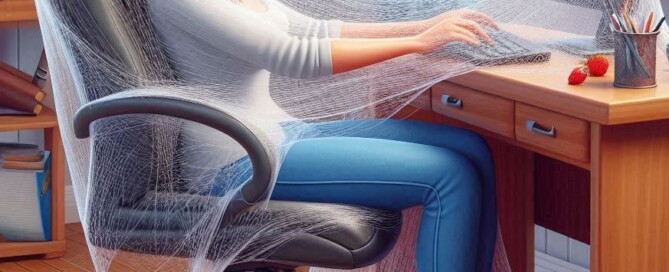
Prolonged Desk Work Can Cause DVT: Tips on Prevention

Excessive desk work certainly can increase one’s risk of DVT, says Dr. Paul Lucas.
The human machine was not designed to spend all day sitting at a desk.
Unfortunately, that’s what many men and women must do to earn a living.
However, many people — once they get home from the sedentary workplace — continue with the excessive sitting.
“Excessive desk work certainly can increase one’s risk of DVT, as sitting for prolonged periods leads to stasis that poses a risk for thrombus development,” says Paul Lucas, MD, surgeon with the Vascular Center and director of the Vascular Laboratory at Mercy Hospital in Baltimore.
Various studies indeed show that excessive sitting increases the risk of developing a blood clot in the leg.
“It is important stretch your legs, get up and walk for even a few minutes when doing this type of work,” says Dr. Lucas.
Prolonged sitting slows down blood flow, creating conditions that can be ripe for DVT formation.
“For every 30 minutes of sitting you should do these things to reduce that risk,” says Dr. Lucas.
“So, push back your seat and stretch those legs. This is also important in air travel and prolonged car or train rides.”
In addition, stay well-hydrated! You may want to fill a pitcher with water in the morning, and then drink from that. This way it’ll be easier to track your water intake.
Remembering to get up every 30 minutes or so to exercise the legs can be cumbersome for people who are deeply absorbed in deadline work at a desk.
They should look into the idea of a treadmill desk. Many different makes and models are on the market.
If your employer won’t allow this, then have one set up at your house — either before the TV or for your computer.
If you have other risk factors for a DVT, such as smoking, obesity, lack of an exercise program or use of birth control pills, you really need to make a concerted effort to offset excessive sitting from desk work.
-
- Abdominal surgery — recent
- Age over 60
- Airline travel — prolonged
- Bedrest — extended
- Birth control pills
- Cancer (active malignancy)
- Chemotherapy
- Chronic heart failure
- Chronic kidney disease
- Chronic venous insufficiency
- Dehydration
- Factor V Leiden mutation
- Family or personal history of DVT
- Fracture, major trauma
- Heart attack
- Hormone replacement therapy
- Joint replacement surgery: recent
- Obesity or moderate overweight
- Paraplegia or quadriplegia
- Pregnancy — current
- Sedentary lifestyle
- Sitting excessively most days
- Smoking, chewing tobacco
- Ultra-processed food diet and lastly, varicose veins
Dr. Lucas leads a team of vascular surgeons and technologists who specialize in the diagnosis and treatment of patients with diseased blood vessels.
Lorra Garrick has been covering medical, fitness and cybersecurity topics for many years, having written thousands of articles for print magazines and websites, including as a ghostwriter. She’s also a former ACE-certified personal trainer.
.
Top image: ©Lorra Garrick

Can Chronic Stress Cause a DVT?






A vascular surgeon is asked if chronic stress can actually trigger a deep vein thrombosis.
“There is no real objective data on an association of chronic stress and DVT risk that I am aware of,” says Paul Lucas, MD, surgeon with the Vascular Center and director of the Vascular Laboratory at Mercy Hospital in Baltimore.
However, Dr. Lucas says this: “Chronic stress can lead to elevation in blood pressure. This can result in damage to vessels leading to a setup for atherosclerosis, plaque buildup … and lead to heart attacks and strokes.”
Ongoing anxiety, persistently being “wound up” and “stressed out,” puts the body in a fight or flee mode.
To prepare for what the body thinks is an imminent fight or escape from danger, various physiological changes take place, including thickening of the blood to protect against bleeding to death. This proved handy for primitive man.
For modern man, this protective response can backfire; chronically thickened blood (chronic stress from job, finances, traffic jams, etc.) is more prone to clotting up.
Shutterstock/metamorworks
Chronic stress can lead to behaviors that put a person at high risk of a DVT.
- Overeating leading to obesity
- Excessive inertia, too much bed rest, prolonged cramped seating on a long airline flight or long vehicle drive
- Lack of exercise, sedentary lifestyle
- Chronic dehydration
- Smoking
- Chewing tobacco