
I’m Level 1 autistic and in a grey area: too “high functioning” to fit in with day program culture yet “too autistic” to fit in with neurotypicals.
I’ve been a provider for day programs, and I see them all the time in the community.
The city where I live is fertile with agencies that provide services for DD/ID adults.
Day program participants aren’t necessarily low functioning (aka high support needs).
For example, I know a woman who lives by herself, was diagnosed with autism in her late 60s.
She still works (from home, related to administration) and drives.
In fact, she drives to the day program center, then gets in the van with other day program participants – some who are closer to low functioning than high functioning.
It perplexes me that this is a good fit for her, but my theory is that when she was finally diagnosed with autism, she had found her tribe and now just wants to hang with groups of other Autistics, even if they’re low functioning and can’t carry on conversations (she’s very talkative).
But this arrangement isn’t for all Autistics with minimal support needs (such as myself).
If I were in a day program (the qualification would be my ASD diagnosis, regardless of “functioning” level), I’d feel like a provider, not a participant.
So what do Autistics such as myself do when we want to mingle with our tribe?
I’ve attended social meetups through the autism society for the state I reside in.
I’ve also attended many pizza gatherings through a group on the Meetup site that’s dedicated to high functioning Autistics.
But I’d like more. The autism society gatherings have been indefinitely cancelled in my city.
The Meetup gatherings are at the same place which is a good distance to drive, and it’s the same core people every single time. Since I moved, it’s just too far to drive just to see a few new faces.
A great social group recently formed in the city, and the marketing even states that it’s for those autistic adults who don’t quite fit in well with groups of neurotypicals, but feel out of place at the social events that are put on by agencies that service DD/ID adults.
I was so excited when I got the promo in my email. But then my hopes plummeted when I read that it’s for people 18 to 35!
A few times I have challenged the founder on this blatant ageism, but she refuses to budge and has failed to cite any logical reason why she practices EXclusion.
This really grinds my gears (pardon the cliché). Shame on her. So I put this exclusionary program in the dead-end file.
Meanwhile I continue to be stuck in that grey area. I’ve even attempted to form a group on my own a few times; no takers.
I’ve also responded to the occasional Facebook user who wants to start a group for autistic adults; nothing has ever come of these.
Hanging Where Autistics Hang
What about joining general clubs or groups which would have appeal to autistic adults?
Well, the minute a Star Trek or sci-fi convention rolls into town, I’ll be going as a half Vulcan, half Klingon; mark my word.
It’s been said that 10 to 15 percent of participants at such events are on the Spectrum.
What about ongoing clubs? Well, we have a problem. I find D&D and gaming dreadfully boring, which is why I’ve never played any of these activities. I don’t need to actually play to know I’d never take to Dungeons & Dragons and videogames.
Meetup has other groups that would attract those on the Spectrum, such as computer themed clubs. But I’m not into computers.
I know it sounds like I’m making excuses, but I can’t help if I wouldn’t enjoy sitting around playing Pokemon, chess, other table games or discussing coding.
I’d definitely check out a hiking group or ping pong club for Autistics, but no such thing exists in my state.
For a while I was part of a weekly “adaptive” climbing program at a climbing gym, with just a verbal mention of my diagnosis getting me the discount and my own volunteer belayer. I love to climb and was hoping I’d meet an autistic man.
After several months, I moved and had to opt out of the program due to driving distance.
Having gotten my clinical autism diagnosis at 59, I just have to come to terms that I’m screwed.
Family members who’d figured out — decades ago — that I was autistic, should’ve had the balls to suggest this to me, BACK THEN.
I seethe whenever I read about some person in their 20s or 30s who was enlightened by a caring family member that they might have autism, who then went on to get an assessment and was then diagnosed.
That could have and should have been me. But no, my family had been spineless all those years, and by chance, it was myself who figured it out when I was 58. TOO LATE.
Had I been diagnosed decades ago, I would’ve had many rich opportunities to hang with my tribe.
I keep telling myself that in my next life, I’ll have much better luck.
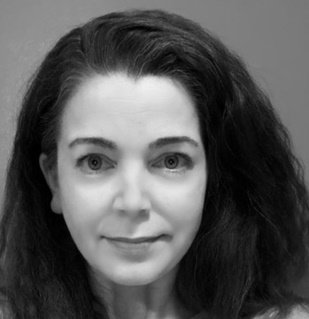
Lorra Garrick is a former personal trainer certified by the American Council on Exercise. At Bally Total Fitness, where she was also a group fitness instructor, she trained clients of all ages and abilities for fat loss and maintaining it, muscle and strength building, fitness, and improved cardiovascular and overall health. She has a clinical diagnosis of ASD.
Related Posts
Gearing up for My ASD Assessment with Special Interests List

Eight Things to Know Before Your Autism Assessment

Your Child CAN Be Autistic Even if They’re Social and Smart

Do You Suspect Your Sister is Autistic? TELL HER!

Can You Be Autistic if You Don’t Have Meltdowns?