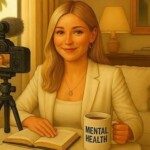

Are these neurotypical influencers SERIOUS? A few days of socializing require them two weeks to recover?
Or are they being sarcastic? Or is it a ploy to get attention and engagement?
One of the more common features of autism is that of feeling taxed, drained or exhausted after attending events where socializing is emphasized.
Not all Autistics experience this, but a significant number do.
In my case, I’ve always referred to the feeling that followed social events as “being taxed” or “having gone against my natural grain.”
This many not sound like a big deal, but it is: I hated the feeling.
Furthermore, many autistic adults report actual exhaustion, and some even require days to recharge.
Yet here we have these neurotypical female influencers claiming exhaustion from what’s supposed to come naturally to extroverted neurotypicals! You gotta be kidding, dudes.
Social Anxiety in Neurotypicals
Yes, yes, an NT can have social anxiety and hence, experience feeling drained after a social event.
But I’m talking about influencers who, based on their posts, are extroverted and apparently thrive on being around people.
Then one day, “I need two weeks to recoup from a few hours of socializing,” accompanied by a video of them splayed on a sofa in their jammies.
This is not keeping it real. This is fake, for engagement and attempts at increasing relatability.
NT vs. ASD
People without autism and without social anxiety will intuitively and naturally “read a room,” detect and correctly interpret nonverbal social cues and easily pick up on meanings behind tones of voice and nuanced spoken language.
This doesn’t mean they get it 100% of the time. An NT can miss sarcasm.
In fact, an Autistic can be sarcastic or deceiving with an NT and pull one over on them. Here’s an example:
NT (with two others): “So … just an honest question … what does it feel like to be autistic?”
Autistic (serious face): “It actually feels quite normal – until I’m around you neurotypicals (serious face, serious eye contact with the three of them).”
NTs: All look at each other awkwardly and shift about.
Autistic (smiling): “Sarcasm!”
NTs: Sudden visible relief and chuckling.
But in general, NTs can navigate social settings with ease, on a subconscious level, and this will reflect in their interactions.
Autistics will either fail to properly navigate (and this will get noticed), or, they will perform some degree of masking: suppressing autistic traits and acting neurotypical.
They may do a superb job of it, too. But it’s unnatural and wildly goes against their grain.
High masking often results in feeling sapped or exhausted, and over time, when done frequently enough, may burn them out.
This can motivate them to seek mental health counseling, as they wonder what’s “wrong” with them, knowing that it’s not normal to feel this way. After all, humans are social creatures.
This soul searching can lead to a Level 1 Autism Spectrum Disorder diagnosis.
Other factors may lead to that life changing autism assessment, such as a child being diagnosed, or in my case, being drawn to a bunch of autism content in my feed on a content site I was writing for.
Once we know why social settings have always been tricky or difficult and require masking or make us feel in an unnatural environment, we often embrace our autism and decide to just be our true, authentic, amazing autistic selves.
So getting back to these “queens” who love to post about their First World problems, it’s a total joke when they claim social exhaustion.
Again, an NT can indeed experience this at some point, especially in an averse environment or one in which the stakes are abnormally high.
But just general run-of-the-mill or common human interaction? Get outta here.
Your claims are for engagement only, and you don’t fool the people who experience true exhaustion.
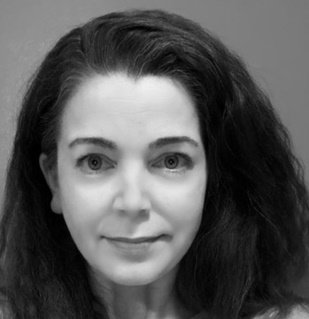
Lorra Garrick is a former personal trainer certified by the American Council on Exercise. At Bally Total Fitness, where she was also a group fitness instructor, she trained clients of all ages and abilities for fat loss and maintaining it, muscle and strength building, fitness, and improved cardiovascular and overall health. She has a clinical diagnosis of Autism Spectrum Disorder.
Top image: Magnific
Related Posts

Social Media Depression Less Likely in Autistic Women
What Makes an Influencer Obsessed Over GLP-1 Drugs?
Burnout Among Influencers Living Cushy Lifestyles

Thin Influencers: Stop Distorting Body to Look Flawed

How Privileged Influencers Became the Face of Burnout