

Can Cervical Cancer Cause Leg Pain?

“Advanced cervical cancer can cause leg pain from the growth of the tumor possibly compressing nearby nerves,” says Mylaine Riobe, MD.
Leg pain plus swelling is highly suspect for cervical cancer. The nerves in the pelvic region are being crowded out by the cancer, causing pain in the leg. (more…)
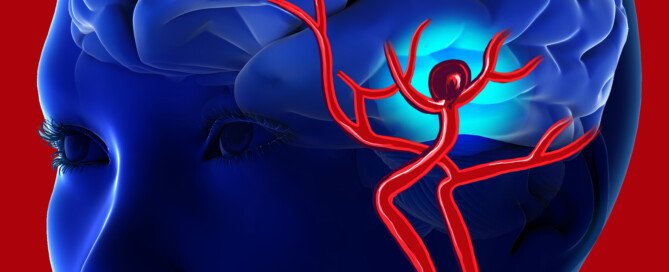
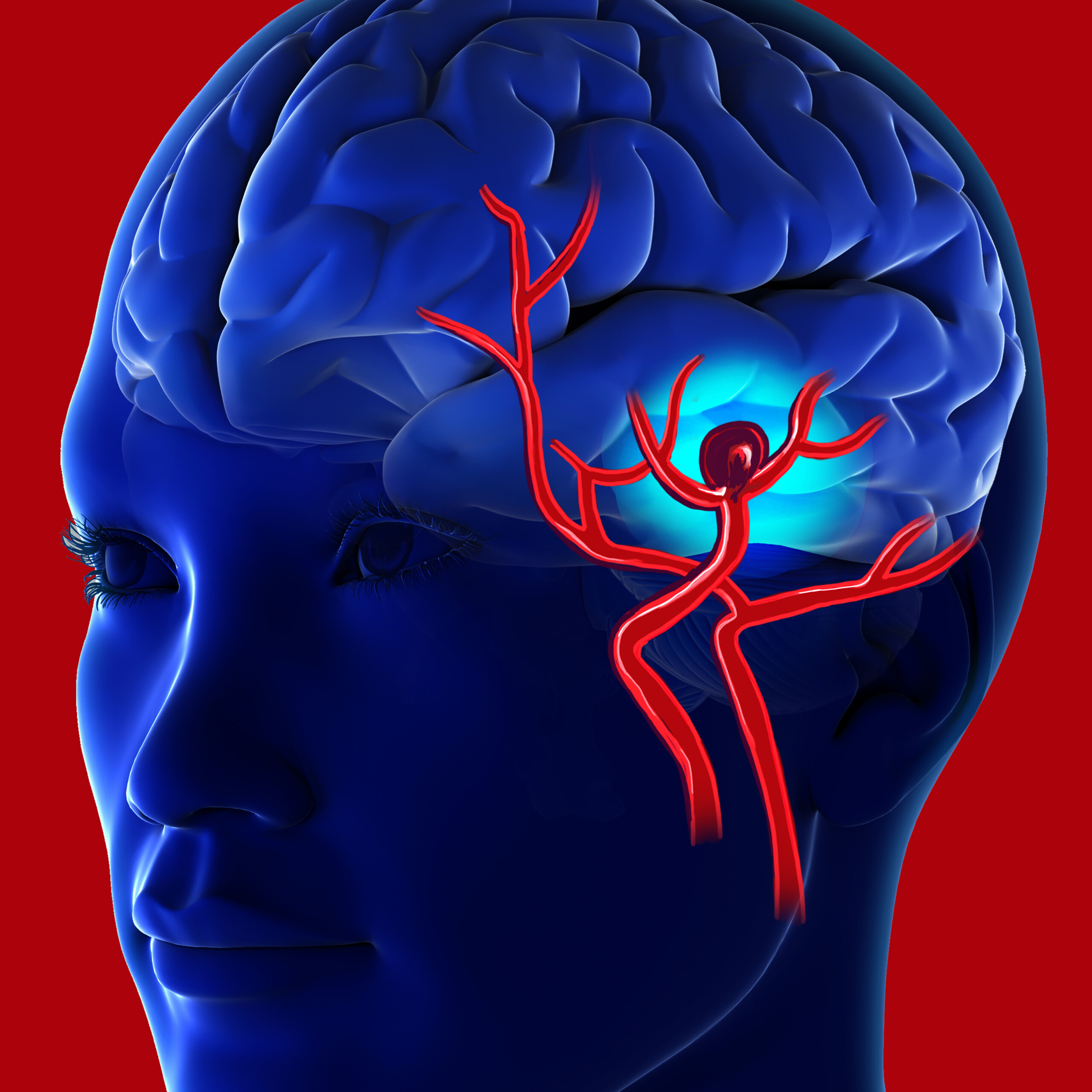
Making Brain Aneurysm Surgery Safer: No General Anesthesia

If you need surgery for a brain aneurysm, you should ask about the possibility of avoiding general anesthesia.
There is a safer technique that you should ask your surgeon about. (more…)
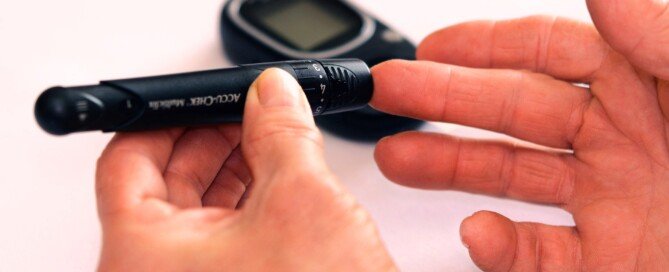
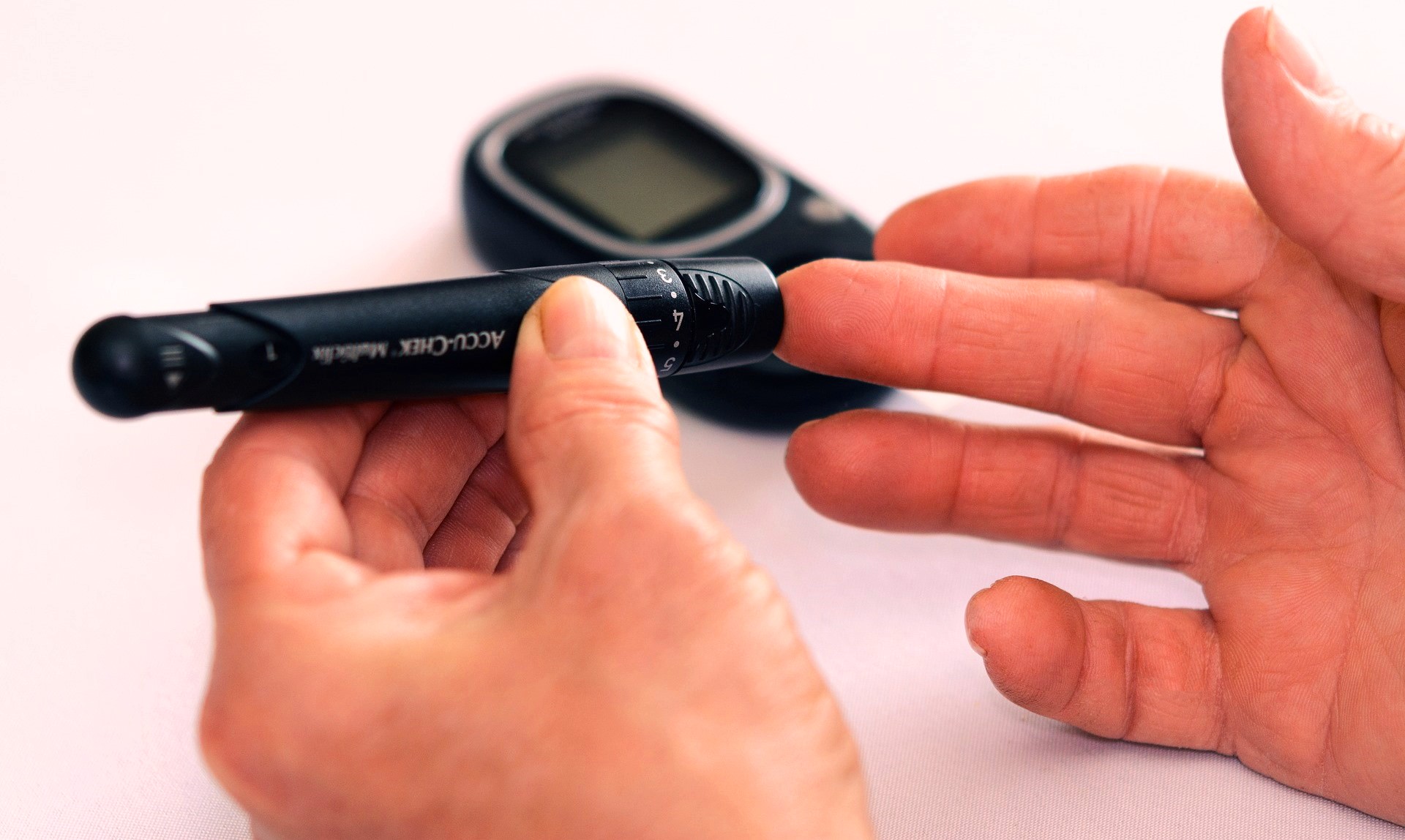
Fear of Diabetes Makes Non-Diabetic Often Check Blood Sugar
Do you have “diabetichondria” & often prick your fingers for blood sugar readings even though you don’t have diabetes and your doctor in fact says you’re healthy?
Diabetichondria is out there, and it hurts: all that finger pricking.
Causes of Diabetes Health Anxiety
• Family member or friend has diabetes
• Victim (who actually does not have diabetes) googles their symptoms and by chance due to what words were entered into the search engine, most of the results are diabetes links. Victim now fears having diabetes.
• Victim had a recent blood sugar reading, as part of a routine physical, in the prediabetic range – and now can’t get the fear of diabetes out of their mind.
“About one in three American adults has prediabetes, and one in 10 American adults has type 2 diabetes,” says Julie Cunningham, MPH, RD, LDN, registered dietitian and certified diabetes educator.
“If your physician is checking your blood sugar on an annual basis and has determined it to be normal, it’s highly unlikely that you are going to develop diabetes without any warning signs.
Diabetes Anxiety Anyways
A non-diabetic with really bad health anxiety — in which the latest or only fixation is diabetes — will not be satisfied with normal glucose readings at a medical clinic.
This is especially true if that individual has symptoms that diabetes or even prediabetes can cause, such as fatigue and excess hunger.
Health anxiety can also make a person believe that the clinic lab made an error, that the “warranty” on a normal fasting blood sugar or A1C has expired, or that the home glucose kit has a malfunction.
A diabetichondriac may indeed believe they’re non-diabetic – AT THE MOMENT – but also think that at any time can become diabetic or prediabetic!
Fasting Glucose in the Low 100’s
Some years ago my fasting glucose, taken a few days before my routine physical, came in at 106.
The doctor mentioned this by only pointing out that the system flagged it in the results that were emailed to me, and to just ignore it. I thought nothing of it after that.
Many months later I was going through my health record paperwork and came upon the document that included the 106 result. Beside it were the words “impaired glucose metabolism.”
I purchased a glucose meter and took my fasting blood sugar: 85.
However, one normal reading was enough to reassure me, even though a few days later I took it again after eating to see if it fell within the normal post-meal range, which it did.
I think I took four total readings (all normal) and then the little tool went on a dust-collecting venture.
In addition I researched prediabetes. It wasn’t long before I discovered that ongoing stress and/or disrupted sleep can put fasting blood sugar into the low 100s.
It was no coincidence that prior to that 106, I’d been subjected to eight weeks of enormous stress in combination with disrupted sleep, and the stress had peaked at the time of the test.
When we’re subjected to chronic anxiety or stress, the body interprets this as an imminent threat and prepares for a fight or flight response.
One way to prepare is for the liver to dump extra sugar into the bloodstream as a ready source of fuel for the fight or escape from the perceived danger.
The body doesn’t know the difference between the sudden appearance of a grizzly bear and eight weeks of taking care of your dying dog with a brain tumor.
The stress and anxiety from fearing you’re going to get diabetes may be more than sufficient to elevate your fasting glucose: the body perceives a threat that it must either fight or escape from.
Every day is filled with anxiety as you anticipate the reading of that next blood sugar test. It’s utter madness as you wonder when it’s going to be above 125 or even in the low 100’s.
End the Madness of Diabetes Anxiety when You Don’t Have Diabetes
“Rather than obsessively checking your blood sugar, the best way to prevent type 2 diabetes is to get at least 150 minutes of cardiovascular exercise every week, to get regular sleep and to eat a healthy diet high in fruits, vegetables and whole grains,” says Cunningham.
• Get rid of the glucose monitor.
• Remind yourself that nobody goes from normal to overnight diabetes.
• A single blood sugar reading in the “impaired glucose metabolism” range is NOT sufficient for a diagnosis of prediabetes or insulin resistance.
• Remind yourself that prediabetes can be reversed.
• Practice stress management (e.g., yoga, hiking, karate, journaling).
• Engage in high intensity interval training and intense weight workouts, as these will help oppose the stress hormones that run amok in the body when the body goes into fight or flight mode.
• Remind yourself that if you were truly sick in the blood sugar department, you wouldn’t be getting normal readings.
Subsequent to my “impaired glucose metabolism” reading, I’ve had many more fasting blood sugars taken: ALL NORMAL.
A non-diabetic does not need to be taking home blood sugar readings. Ask your doctor about this.
 Julie Cunningham specializes in helping men and women with diabetes and prediabetes learn how to eat to manage their blood sugars–so they can get back to the things they enjoy.
 Lorra Garrick has been covering medical, fitness and cybersecurity topics for many years, having written thousands of articles for print magazines and websites, including as a ghostwriter. She’s also a former ACE-certified personal trainer.

Normal Blood Sugar in a Plus Size Woman Doesn’t Mean Healthy

Just because a plus size woman has normal blood sugar does NOT mean she is healthy.
A blood sugar reading is not the only metric for good health in the body.
However, many body positivity activists don’t get this.
Plus-size model Ashley Graham inspired me to write this article about the relationship between normal blood sugar and being “healthy.”
Blood sugar is only ONE metric!
“Normal blood sugar is only a small determining factor of optimal health, and some people are [naturally] less prone to insulin resistance, resulting in luck of not having high blood sugars,” says Dr. Keith Kantor, a leading nutritionist and CEO of the Nutritional Addiction Mitigation Eating and Drinking (NAMED) program, which treats substance abuse, mental illnesses and other illnesses.
“Additional laboratory markers that should be monitored and also reflect health include thyroid hormone levels, lipid profile levels, sex hormone levels and stress hormone levels,” continues Dr. Kantor.
“Our body is not meant to function properly when overweight. When we are overweight, it is a reflection of an imbalance somewhere in the lifestyle, metabolism and/or hormones of the individual.”
The “Obese People Can Be Healthy” Defense
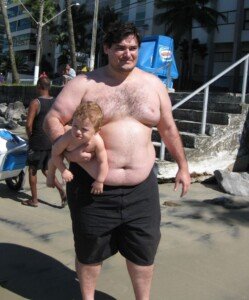
Paulo de Tarso Meneghel, CreativeCommons
One day I was reading an article about body positivity, and as always, comments included pointing out how unhealthy obesity is.
Then a commenter posted that Ashley Graham is healthy despite her size because she has normal blood sugar.
And that’s all the poster said: normal blood sugar.
Since when does how healthy a body is all come down to a single data point: blood sugar?
Does this mean a three-pack-a-day smoker who never exercises and never eats fruits and vegetables and mainly subsists on beer and hotdogs is healthy because his fasting blood sugar is always in the 70s?
The Research: You Need to Read This
Imperial College of London and University of Cambridge researchers have published a big study that examined the issue of overweight and heart disease.
Over half a million adults were followed for over 12 years.
The conclusion of the study is that being overweight, and especially obese, is an independent risk factor for coronary heart disease.
What this means is that it doesn’t matter what the person’s blood sugar is!
Famous plus size models who have normal blood sugar are at greater risk for heart disease than if they were, by medical standards, not overweight.
The study, published in the August 2017 European Heart Journal, adjusted for lifestyle risk factors for heart disease such as smoking, diet and exercise.
Even in the metabolically healthy group (normal blood sugar, normal blood pressure and healthy cholesterol panel), whether or not a subject had excess body fat was a factor in an increased risk of coronary heart disease.
• Overweight subjects with good metabolic health had a 26 percent higher heart disease risk.
• Obese subjects with a good metabolic health had a 28 percent higher risk.
• Their risk is in comparison to metabolically healthy subjects who were not overweight by body mass standards.
This study is a sock in the gut to the naysayers who insist that fat people can be healthy.
A plus size or obese woman or man might be classified as “healthy” NOW…based on fasting blood sugar and other metrics such as blood pressure.
However…they are on the path to eventually being diagnosed with an undesirable metabolic profile — later on in the timeline.
They are then at a more directly increased risk of a cardiac event.
 Dr. Kantor has a PhD in nutritional science and a doctorate in naturopathic medicine, has appeared on CNN and Fox News Channel for his expertise, and has been an advocate of natural food and healthy living for 30+ years.
Lorra Garrick has been covering medical, fitness and cybersecurity topics for many years, having written thousands of articles for print magazines and websites, including as a ghostwriter. She’s also a former ACE-certified personal trainer.
.
Top image: Shutterstock/Michae Allen
Source: sciencedaily.com/releases/2017/08/170815095202.htm
Asymmetric Moles and Melanoma: Detailed Guidelines
There is so much more to the “A” for asymmetry in the ABCDE guidelines for checking moles for melanoma signs.
It’s crucial to know that the concept of asymmetry can easily be open to a little subjective interpretation, especially when the typical ABCDE guidelines leave room for more detail.
Usually, the ABCDE melanoma guidelines found in pamphlets or print/online articles on skin cancer define asymmetry in a way that some people might think means non-circular.
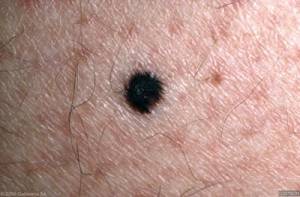
There’s also no mention in most generic guidelines that benign moles can appear asymmetrical, as the one above.
“Asymmetry in a suspicious lesion refers to both the internal structure as well as overall structure,” says Caroline A. Chang, MD, a board certified dermatologist and founder of the Rhode Island Dermatology Institute.
Dr. Chang explains, “While some normal moles will be slightly asymmetric, usually they have symmetry in at least one plane. Suspicious lesions tend to grow asymmetrically, with a fuzzy area branching out to one side but not the other.”
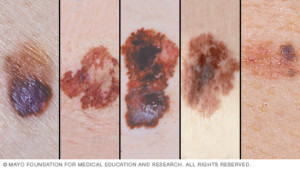
Five melanoma lesions; the second, third and fourth show considerable asymmetry, while all show dramatic color variation.
Naked-eye asymmetry means that if you divide the mole in half, the halves won’t match as far as shape.
Furthermore, a symmetrical mole can be oval or some other non-circular shape, yet equal or nearly equal on both sides if divided down the middle at any angle.
Know that normal moles can be divided in half and yield unequal appearances.
The larger a benign mole, the more easier asymmetry can be seen with the naked eye.
Have you ever seen a really large normal mole on a family member or friend that, no matter which angle you visually bisected it, the halves were obviously unequal?
Certainly, any uneven mole should be examined by a dermatologist, even if small.
Even if a mole has been uneven for as long as you can remember, have a dermatologist inspect it – and with a dermatoscope, not just naked eyes.
Asymmetry is a guideline, not a definitive sign of melanoma – especially since melanoma can actually be relatively symmetrical, as in the image below.
Source: pcds.org.uk/clinical-guidance/melanoma-an-overview1
A bisected melanoma that’s equal on both sides (equal in shape) may have sprung up in the absence of a pre-existing mole.
Or, it may have arisen within a mole that’s been present for years. The mole might naturally be very symmetrical, perhaps a near perfect circle.
But because the melanoma has started up in the center or close to the center of the mole, the shape of the mole has not (yet) been altered.
What can be seen during a skin exam might be a change in this mole’s central color, texture or height, while it can still be visually divided at any angle and yield perfectly equal sides.
Do not panic if you, upon examining your moles for the first time, discover some asymmetrical ones.
Every mole – even perfect circles of one solid color – needs to be inspected during monthly skin self-exams. Melanoma doesn’t always follow a template.
 Dr. Chang practices general and cosmetic dermatology and has a special focus on melanoma and the use of dermoscopy for mole monitoring.
 Lorra Garrick has been covering medical, fitness and cybersecurity topics for many years, having written thousands of articles for print magazines and websites, including as a ghostwriter. She’s also a former ACE-certified personal trainer.
.
Top image: Shutterstock/Andrey_Popov

Three Easy Ways to Cure Obsessive Pulse Taking Anxiety

There are three tricks that will go a long ways in ending your anxiety and obsession over taking your pulse, even if you take it a hundred times a day. (more…)
What Kills More than Obesity: Loneliness or Rejection?

According to a study, loneliness kills more than obesity.
But what about the health effects of rejection?
There are those who, by others’ standards, are lonely (because they are alone). But these alone-people may be so fed up with the evil, greed and other negative traits of people that they have no desire to seek out friendships.
They aren’t truly lonely.
An obese woman posted to social media that after she read that loneliness is a bigger killer than obesity, she was now reluctant to lose more weight after already having lost some weight.
She said weight loss would help her live longer — but living longer would mean more time to suffer with her difficulty at getting people to like her.
Loneliness Kills More than Being Very Overweight?
The Brigham Young University study concludes that loneliness and social isolation may boost the risk of premature death by up to 50 percent.
The study investigators analyzed two meta-analyses of studies that examined possible links between social isolation, loneliness and premature death.
Total number of adults covered by the meta-analyses was 3.7 million (300,000 for the first and 3.4 million for the second).
- Data from the first = risk of early death 50 percent lower for those with a greater connection with people, compared to those who were socially isolated.
- Data from the second = social isolation, loneliness and living alone were linked to risk of premature death.
- The early death risk was equal to or greater to that which is associated with obesity.
What are the solutions?
How do you reinvent yourself so that people find you enthralling rather than boring or annoying?
If people respond to you negatively because you have bad body odor, cuss or interrupt a lot, or are always telling dirty jokes, this has a straightforward and quick fix.
On the other hand, if you rub people the wrong way no matter how much you try to follow the rules of social etiquette, how do you fix something that can’t be pinpointed or quantified or qualified (such as frequently using foul language or criticizing peoples’ religions)?
What if you’ve reinvented yourself several times and still get the same result: people just don’t care for you?
How do you fix weird?How do you correct diffuse oddness?
Desirable behavior can be taught, such as a firm handshake, looking people in the eye when speaking to them, smiling more in social situations, abstaining from interrupting, etc.
But if an oddball “different” person follows these rules, they will still come off as “too weird” or eccentric.
Conversely, a person who doesn’t follow the rules of etiquette can still be the most dynamic, likeable person in a crowded room!
Another point to consider: For the socially awkward introvert, following those rules could be very stressful and burn them out.
Thus, there’s more to winning people over and making friends than following some guidelines like an automaton.
If you’re feeling lonely and are obese, don’t quit trying to lose weight.
If you’ve never “fit in,” should you give up seeking friendships?
“I firmly believe every lid has a pot, and vice versa,” says Rupali Chadha, MD, former chief of medical staff at Metropolitan State Hospital in Norwalk, CA.
“There is that odd person’s tribe out there somewhere,” continues Dr. Chadha.
“Social media can help connect people, but then interactions must go offline to truly have an impact in wellness.
“Social media is a great first step and tool, but it cannot be our whole social life.
“And if someone does have a social habit that is unappealing and THEY want to change it, they can!
“Therapy may help to understand why they behave that way to begin with. Perhaps it’s predicated on some belief that does not serve them anymore?
“If they are open to change (and that is key), they can. Otherwise, if they love their quirks, they just need to find their tribe.”
 In addition to general psychiatry, Dr. Chadha is also a forensic psychiatrist who treats the brain conditions of the criminally insane and serves as an expert witness in trials. She has a passion for fitness plus how the body, mind and spirit come together to build a healthy individual.
Lorra Garrick has been covering medical, fitness and cybersecurity topics for many years, having written thousands of articles for print magazines and websites, including as a ghostwriter. She’s also a former ACE-certified personal trainer.
.
Top image: Michael Coghlan/Adelaide, Australia
Cancers that Can Cause Pain Under Right Ribcage: 11 of Them

Pain under the right ribcage has a ton of causes, and 11 are cancer.
A nagging pain under the right ribcage that won’t go away can be a symptom of cancer; do not take a diagnosis of “muscle pull” as the gospel if that tiny voice inside of you isn’t quite agreeing with this.
It is perfectly okay to seek out a second opinion. Gallstones, too, can cause sharp pains in this area — and an ultrasound will pick this up. But an ultrasound and CT scan can also pick up more serious causes.
Cancers that May Cause Pain Under the Right Rib (no particular order)
1. Liver. This isn’t surprising, being that the liver is located in the upper right of the abdomen. Cancer of the liver may be primary (arising from liver cells) or secondary – a spread from another cancer such as colon.
2. Gallbladder. This organ is located right under the liver. A malignancy can be primary or secondary.
3. Lung. It’s no surprise that a lung cancer can cause pain under the right rib, considering the location of the lungs (inside the ribcage).
4. Bone.
5. Hodgkin lymphoma
6. Pancreatic
Metastases to the Ribcage
7. Colon
8. Kidney
9. Prostate
10. Thyroid
11. Breast
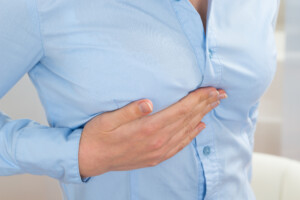
Breast Cancer Spread to the Ribcage
Shutterstock/Andrey_Popov
“The pain is from expansion or breaking down of the bony structure,” says Mark Levandovsky, MD, Founder and Medical Director of Preventive Medicine and Cancer Care. Dr. Levandovsky is a board certified internist and oncologist/hematologist in practice for 25+ years.
If expansion, the nerve ending may be affected,” continues Dr. Levandovsky. “If breakdown, the integrity of the bone architecture is compromised, often affecting other bones/structure or organs.”
A pain under the right ribcage isn’t always from the rib bone itself, and is most often caused by a musculoskeletal issue or a harmless gas bubble.
In short, many other causes are possible that do not involve cancer.
Dr. Levandovsky provides personalized care to health conscious individuals as well as cancer patients and survivors, focusing on an integration of genetic/molecular risk assessments, prevention, education, nutrition and psycho-oncology.
Lorra Garrick has been covering medical, fitness and cybersecurity topics for many years, having written thousands of articles for print magazines and websites, including as a ghostwriter. She’s also a former ACE-certified personal trainer.
Top image: Shutterstock/wavebreakmedia
Sources:
cancersupportivecare.com/gallbladder.html
cancercenter.com/bone-cancer/symptoms/
cancercenter.com/colorectal-cancer/symptoms/tab/metastatic-colorectal-cancer-symptoms/
cancercenter.com/liver-cancer/symptoms/
pennstatehershey.adam.com/content.aspx?productId=117&pid=1&gid=000580
urmc.rochester.edu/encyclopedia/content.aspx?ContentTypeID=34&ContentID=25952-1
blog.dana-farber.org/insight/2013/11/lung-cancer-five-things-you-need-to-know/
josevelizmd.com/written-education/2-uncategorised/240-pain-and-pancreatic-cancer/

Deadliest Brain Tumor: Glioblastoma Multiforme vs. DIPG

The DIPG brain tumor is the deadliest – more vicious than glioblastoma multiforme.
What makes diffuse intrinsic pontine glioma especially brutal is that most diagnoses occur in children between age five and nine. (more…)

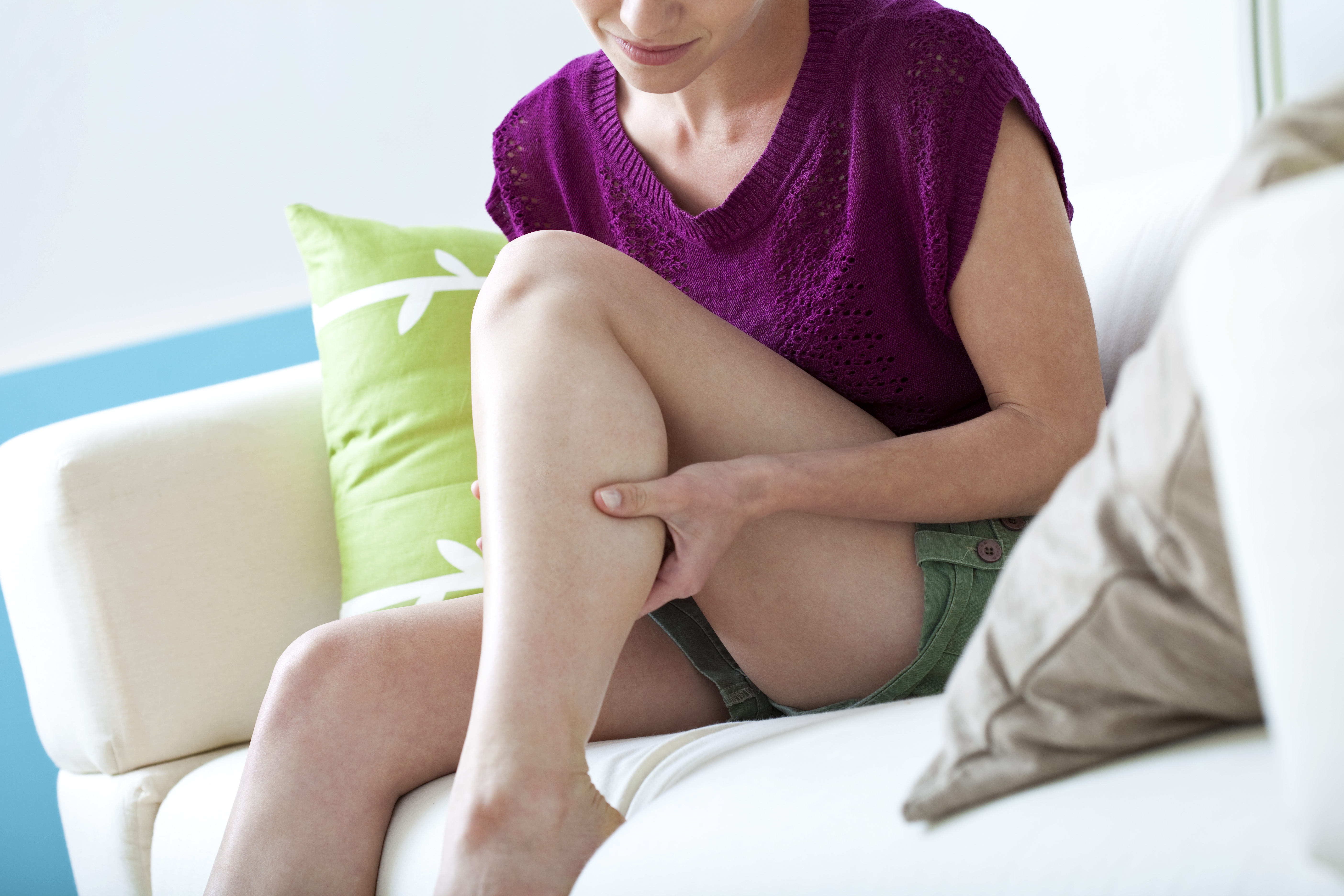




Why Does Acid Reflux Interfere with Breathing in Healthy People?

You already know acid reflux can sometimes cause problems with breathing, but just how does this happen in otherwise healthy people?
There’s more than one way that acid reflux—or the more serious variant, GERD, can interfere with breathing. (more…)