Is There Really a Best Time to Drink Water ?
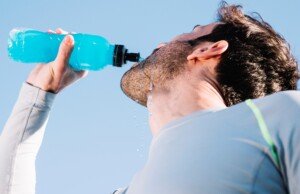
Other than when you’re thirsty or have signs of dehydration, does it really matter when you drink water? Or is the scheduling of water intake a bit too obsessive? (more…)
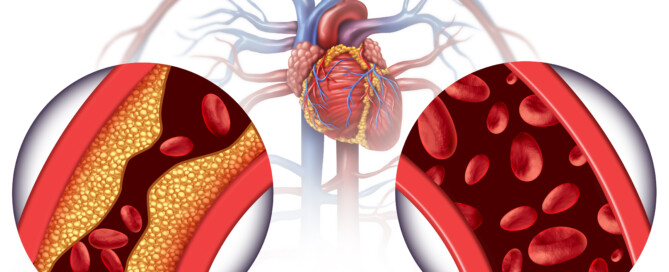
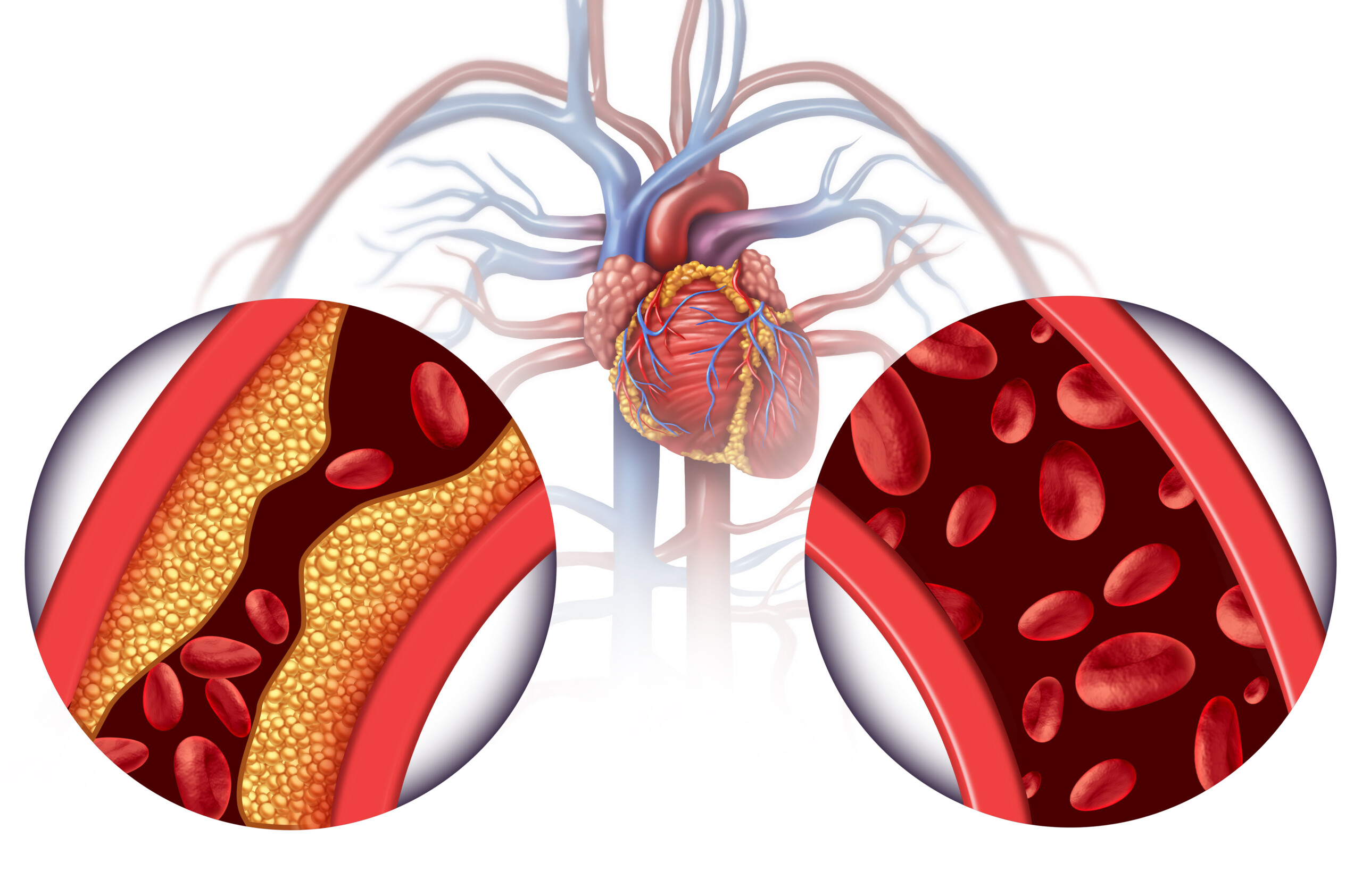
Natural Ways to Unclog Coronary Artery Soft Plaque
Soft plaque is unstable and can rupture, causing a heart attack; there are natural ways to unclog coronary arteries or kick back the soft plaque. (more…)
Do Pushups REALLY Work Your Abs?
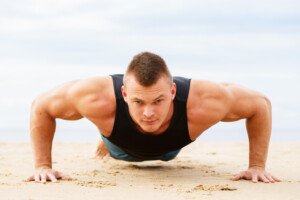
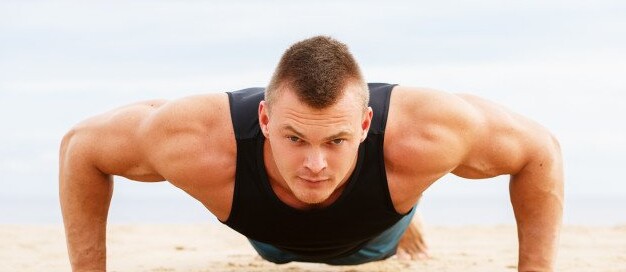
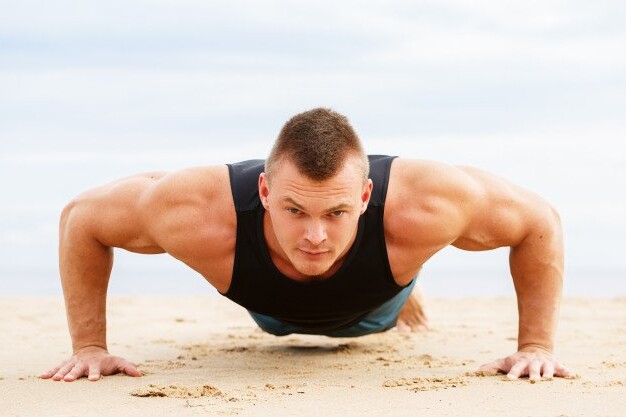
You’re not imagining it: Pushups really do work your abs.
Think about what actually happens when you do pushups:
Your abdominal region is the link between stabilizing your upper body and your lower body as you perform this multi-joint exercise. (more…)

How Bad Is the Sitting Disease for the Brain?

Since the sitting disease is so bad for the heart and blood vessels, it’s no surprise that it’s also bad for the brain.
There is just no escaping the harmful effects of sitting on your can many hours day after day.
It has now been discovered that sitting too much is associated with shrinkage of the part of the brain that involves recent memory formation. (more…)

Can Staying up Late and Sleeping in Make You Die Sooner?

If you go to sleep late and wake up for the day late, this could put you at risk for an earlier death, when compared to going to bed earlier and getting up earlier. (more…)

If Cysts Look Benign on Mammogram Can You Stop Worrying?

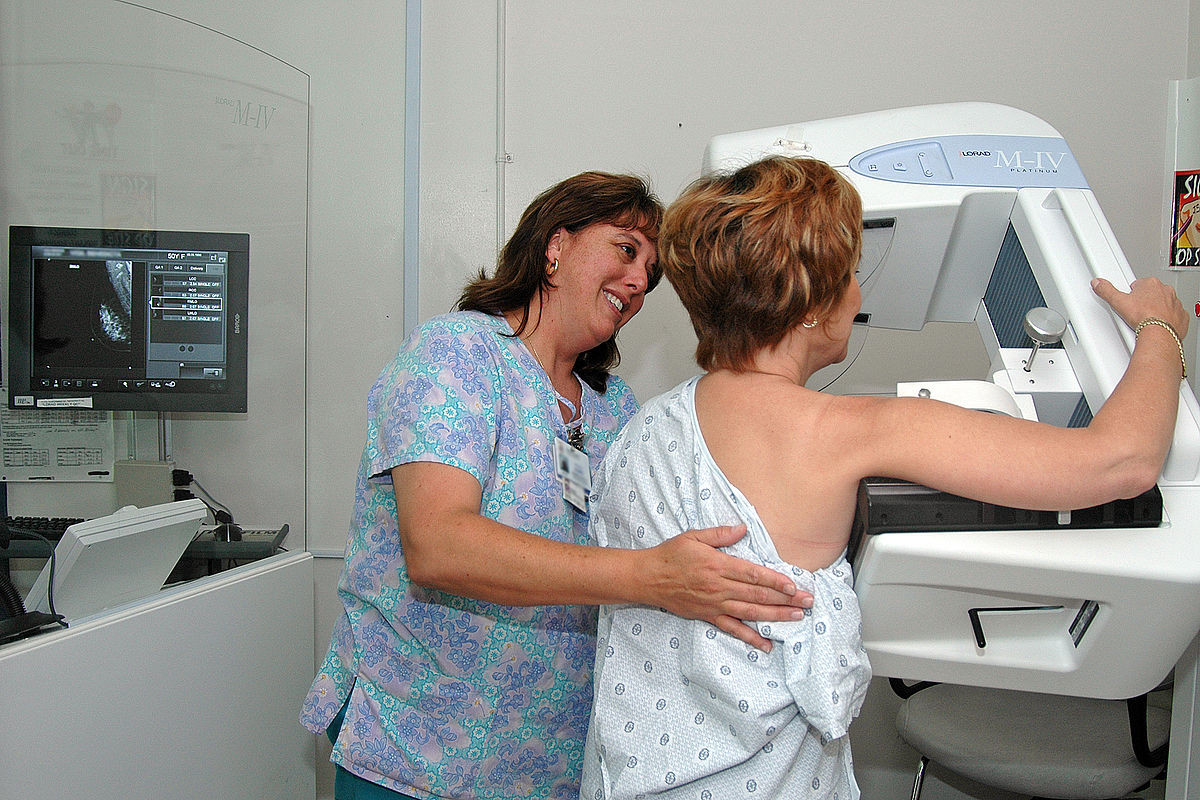
Under certain circumstances, a cyst on a mammogram can have a benign appearance, but under other circumstances, it can look very concerning to a doctor. (more…)
Is Slow Growing Breast Cancer Worse Due to Longer Existence?

Some women believe that because the breast cancer tumor has “been in there” longer—despite slow growth—that this means it’s more dangerous than one that’s been present for only a short time but growing faster.
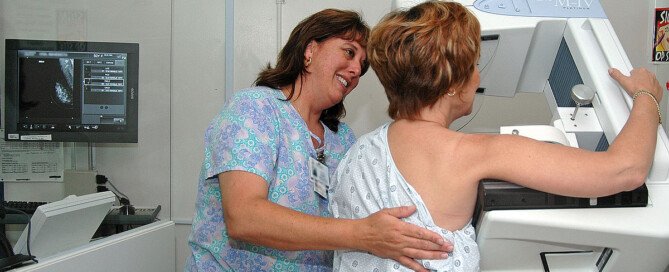
What Is a Subtle Benign Appearing Density on a Mammogram?
You may have come upon the descriptor of “subtle benign appearing density” in reference to mammogram imaging. (more…)

How Soon After Intercourse Can Pregnancy Symptoms Occur?

Symptoms or signs of a pregnancy can begin occurring very soon after having sexual intercourse.
But this doesn’t mean that in every case of conception, the symptoms of a pregnancy will always occur very soon after.
How does this all work?
After you have sexual relations, there is a period of time during which conception can occur: from a few hours to five days.
Yes, that’s right: Up to five days after having sex, you can still get pregnant.
Sperm Hangs Around for Awhile
Sperm can live inside the uterus and fallopian tubes for up to five days, during which an egg (ovum) may be released from an ovary – and permeated by a single sperm to create an embryo.
Ever wonder why two sperm can’t penetrate an egg, even though there may be tons of sperm trying to permeate the egg at seemingly the moment that the “first one” achieves this?
Once a sperm penetrates an egg, a chemical reaction occurs that makes the egg impenetrable to the other sperm.
Symptoms of Pregnancy Occurring Soon After Having Sex
“Missed menstrual cycle would be the earliest pregnancy symptom,” says Mylaine Riobe, MD, founder of Riobe Institute of Integrative Medicine.
Dr. Riobe, who’s board certified in ob/gyn and integrative medicine, is the author of “The Answer to Cancer” and has over 15 years’ experience using integrative techniques to treat diverse patients.
This sign will be particularly blaring if your periods have always been very regular and predictable — and you’re vigilant about keeping track.
“Some women begin to feel breast tenderness, mild nausea as soon as a couple weeks thereafter,” says Dr. Riobe. “Symptoms tend to correlate with HCG (human chorionic gonadotropin) levels.”
If your home pregnancy test is positive, have a doctor confirm this, as these tests are not 100 percent accurate — despite what advertisements might have you believe.
This includes for a negative result as well. If you have a gut feeling that you’re pregnant, get a confirmation from a physician, even if two home pregnancy tests in a row have shown a negative — or positive — result.

Dr. Riobe has helped thousands of patients overcome difficult illnesses by addressing root causes, not just masking symptoms. The Riobe Method focuses on the prevention of disease, not the prevention of death from disease. She has 20+ years’ experience using integrative techniques to treat diverse patients.
 Lorra Garrick has been covering medical, fitness and cybersecurity topics for many years, having written thousands of articles for print magazines and websites, including as a ghostwriter. She’s also a former ACE-certified personal trainer.

New Hope for Frail or Elderly Who Need TAVR






A breakthrough has been made in the TAVR technique for frail elderly patients at risk for suffering a fatal complication from the procedure – in which the coronary arteries become obstructed.
Though the coronary artery obstruction is a rare complication, it’s lethal in over half those who suffer it.
A technique was developed to prevent the obstruction: bioprosthetic aortic scallop intentional laceration to prevent iatrogenic coronary artery obstruction (BASILICA).
What exactly is TAVR?
Transcatheter aortic valve replacement is a treatment for aortic valve disease, namely stenosis or narrowing of the valve.
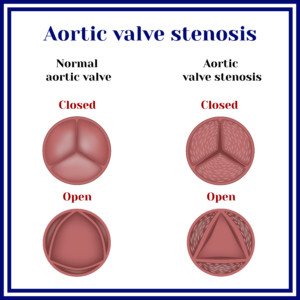
Source: Shutterstock/Mrs_Bazilio
The procedure involves threading a long and thin, flexible tube through the femoral artery of the thigh and feeding it through to the heart.
Without treatment a patient will suffer from impaired blood flow to the organs, plus symptoms such as shortness of breath, chest pain and fainting. No treatment can mean death.
TAVR is an option for elderly or frail patients for whom open heart surgery is too risky.
But a small percentage of elderly or frail patients who receive TAVR develop coronary artery obstruction during the procedure.
What causes the obstruction?
Once the tube or catheter is inside the heart, a balloon is inflated to open up a new valve within the diseased aortic valve.
“Coronary artery obstruction is a potentially fatal complication when a TAVR is done in a patient who had previously undergone an aortic valve replacement with a bioprosthetic valve and is now being considered for TAVR and has a short distance from the aortic valve level to the origin of the coronary artery,” explains Asim Cheema, MD, who’s board certified in internal medicine, cardiovascular diseases and interventional cardiology by the American Board of Internal Medicine. Dr. Cheema is with Your Doctors Online, an online doctor chat site.
“In this situation, if a TAVR is done, there is a risk that the leaflets of bioprosthetic valve are ‘stuck open’ against the origin of the coronary artery by the newly implanted TAVR valve cage,” continues Dr. Cheema.
“If this were to happen, there will be no flow to the coronary artery and to the heart, and the patient will die unless the compromised origin of the coronary artery is quickly opened again — which is very challenging to do during the TAVR case.”
Solution: BASILICA
Previously, a stent was used to open the coronary artery, but this has poor long-term outcomes.
“One of the strategies proposed to address this potential complication is to perform laceration or intentional tear of the bioprosthetic valve leaflet prior to TAVR valve implantation, using a wire that divides the ‘culprit’ leaflet in the middle,” explains Dr. Cheema.
“If this is successful, then when a TAVR valve is implanted, the ‘stuck open’ leaflet separates in the middle — not causing obstruction to the origin of the coronary artery — avoiding a potential complication.”