

Is Exercise Worth It for Those with Genetic Heart Disease?

Are you genetically predisposed to heart disease (e.g., Dad had heart attack in his 40s) and have blown off exercise, thinking, “What’s the use?”
Well, you’d better rethink that approach. (more…)

What Does “Frail Elderly” Really Mean?

“Frailty” isn’t just a layperson term; it’s used by doctors to describe a state of body in the elderly.
“Old can look very different in different people,” begins Walter Gaman, MD, FABFM, board certified in family medicine and the author of several award-winning books including “Age to Perfection: How to Thrive to 100, Happy, Healthy, and Wise.”
Dr. Gaman explains, “Some people are able to ski down a mountain or dance the tango at 70, while others may be at risk for injury or simply lack the energy and muscle mass to do anything outside of casual walking.
“Frail elderly refers to people over the age of 65 who are dependent on the help of others or have serious health concerns or risks.
“Frailty is a medical condition that may or may not be reversible. Some elderly become frail due to an illness, injury or disease. The nature of such determines their prognosis.
“For example, if an elderly person becomes frail from bedrest after surgery, once healed they may gain their strength back. Same is true with non-chronic illnesses.
“When an elderly person is considered frail, they may need assisted living or even 24 hour nursing care.”

A variety of frailty scores has been developed to access the condition of “frailty” in the elderly.
The Frailty Score
Dr. Gloria Aguayo (Luxembourg Institute of Health) and her colleagues examined the predictive ability, as far as mortality, of 35 frailty scores for cancer, cardiovascular disease and all-cause mortality.
The data came from the English Longitudinal Study of Ageing.
All Frailty Scores Are Linked to Future Death
Dr. Aguayo’s study (PLUS One, April 2018) involved analyzing data from 5,294 senior age adults who were followed up over a time period of seven years.
• All frailty scores were associated with all-cause death.
• Some were tied to cardiovascular disease.
• None were linked to cancer.
“Frailty is often the precursor to a more serious injury or illness that eventually leads to death,” says Dr. Gaman.
“This is why adults should have good nutrition and proper exercise, including muscle strengthening. Strong, limber and healthy adults are much more likely to bounce back from an illness or injury.”
A senior person who’s very frail may be in denial and believe they’re still as sturdy as a horse.
Even if this person is frequently short of breath and tires very easily, they may still tell family members, “I feel fine!”
Observe if they tire easily when walking around a store or doing light housework.
- Must they nap frequently or take frequent timeouts in a chair to catch their breath?
- Is walking a major challenge for them? But then again, an older person with painful knees may still have a pretty decent heart and kidneys.
Hopefully, you can convince your elderly family member to let you in on their medical care so that you can ask their physicians specific questions.
Frailty is a medical condition that, for some, is truly reversible.

Dr. Gaman is with Executive Medicine of Texas and is with the Staying Young Radio Show 2.0 podcast.
 Lorra Garrick has been covering medical, fitness and cybersecurity topics for many years, having written thousands of articles for print magazines and websites, including as a ghostwriter. She’s also a former ACE-certified personal trainer.
.
Source: sciencedaily.com/releases/2018/04/180409103845.htm

Strong Core Muscles Are the Secret to Preventing Sciatica
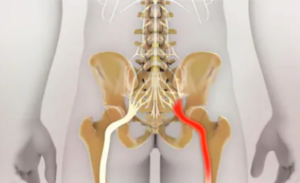
If you have strong core muscles, you are much less likely to ever develop sciatica, a potentially very painful condition.
“The most effective way of using strength training to prevent or lower the risk of sciatica would be to concentrate on the core muscles,” explains Dr. Tom Carpenter, corrective exercise specialist, certified personal trainer and chiropractor. (more…)

Will a Thyroid Removal Shorten Your Lifespan?

If your doctor tells you that your thyroid needs to be removed, and the first thing that comes to your mind is that this will shorten your life – there is no need to panic over this. (more…)

Can Menstruation Affect Results of a Thyroid Blood Test?

Can menstruation affect the results of a thyroid blood test?
Should you wait until your period is over before having a blood test to check your thyroid health?
“The research that has been done to date does not find a change in the levels when done with or without a menstrual cycle,” says Marcelle Pick, MSN, OB/GYN, NP, in private practice and co-founder of Women to Women Health Center, and author of the book, “Is It Me or My Hormones?”
Even if you’re cramping, bloated and feel miserable during your period or have a bad case of PMS, feel free to have your blood drawn for a thyroid test if that has been already scheduled.
Just make sure that you’re plenty hydrated so that it’s easier for the technician to “find” a vein from which to draw the blood.
 Marcelle Pick holds a BS in nursing from the University of New Hampshire School of Nursing and her MS in nursing from Boston College-Harvard Medical School. She is certified as an OBGYN nurse practitioner. Visit “Is It Me or My Hormones.”
Lorra Garrick has been covering medical, fitness and cybersecurity topics for many years, having written thousands of articles for print magazines and websites, including as a ghostwriter. She’s also a former ACE-certified personal trainer.
.
Top image: ©Lorra Garrick
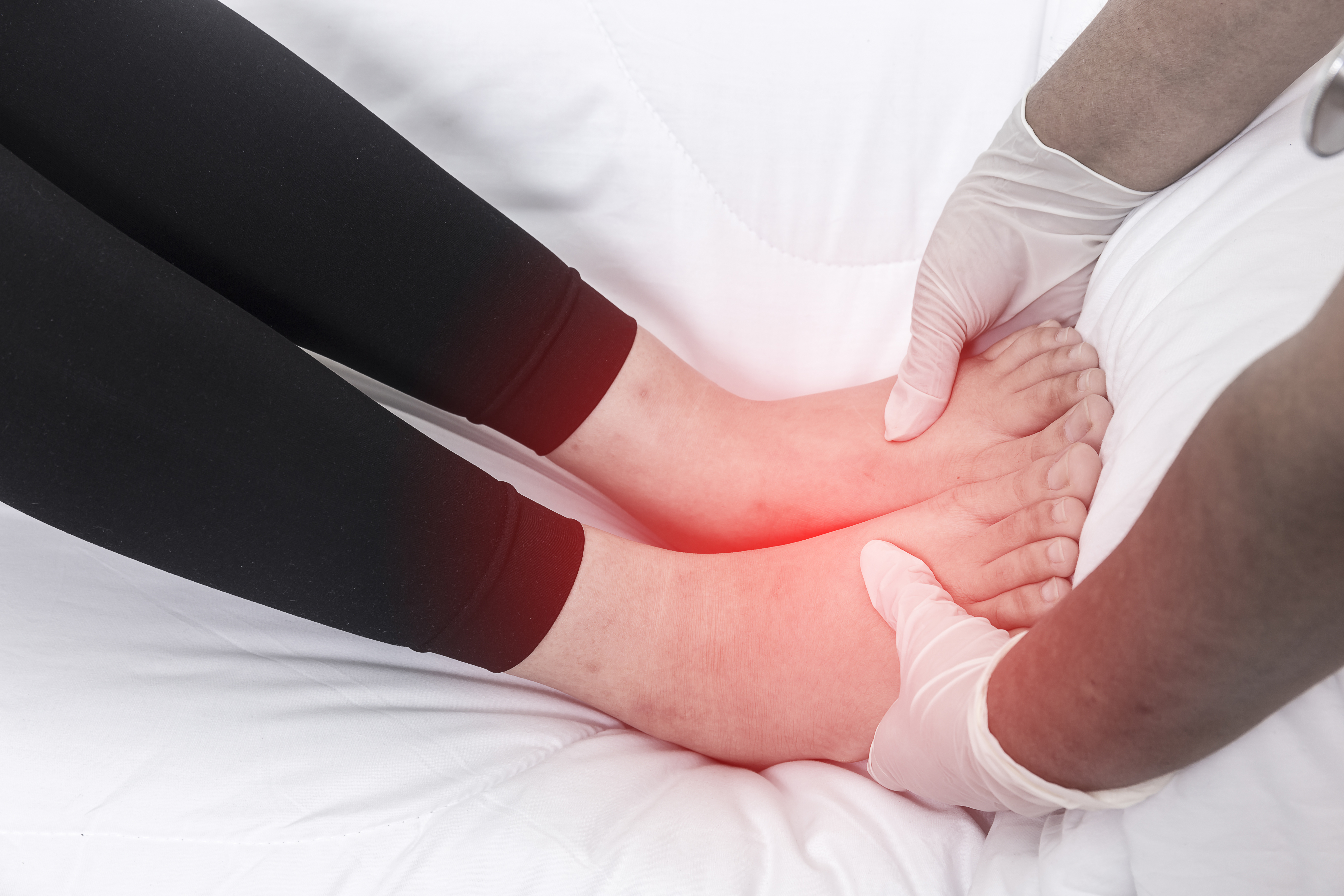
Can Menopause Cause Bilateral Edema in the Ankles & Calves?

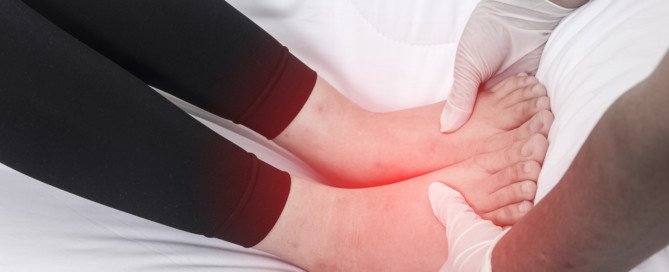
You’ve noticed lately and maybe suddenly that both your ankles and calves are swollen with edema, and you’ve recently completed menopause.
Looking down and noticing that your ankles and lower calves have a puffier than usual appearance may hit upon the vanity nerve, but for some women, it could also shake up the “Is there something wrong with my heart!” nerve.
They may then hope to dear God that the edema in both lower legs is caused by the troublesome though very benign menopause.
“This can happen and is usually due to wide fluctuations in the hormones that occur in perimenopause and in menopause,” says Marcelle Pick, MSN, OB/GYN, NP, in private practice and co-founder of Women to Women Health Center, and author of the book, “Is It Me or My Hormones?”
Pick explains, “Increasing fluids, water and changing the diet to be more plant based, with protein, can be greatly helpful.”
There are many causes of bilateral swelling in the ankles and lower calves.
This is a common condition, but commonality doesn’t mean that it can never be caused by congestive heart failure, liver problems or kidney problems.
It can even be caused by underactive thyroid.
Excessive sitting or standing in one spot can also lead to puffiness around the ankles and lower calves.
Get up and move around more often.
Sit less. Walk more.
Ditch as much of the processed foods in your diet as possible.
Eat more fresh produce.
Snack on whole nuts and seeds, not stuff from a vending machine.
Do the following exercises at the gym: squat, leg press, walking lunge, high stool step-up.

Shutterstock/WoodysPhotos
And if you’ve completed menopause or are of menopausal age, it’s time to see a cardiologist for a routine screening for heart disease.
Congestive heart failure can cause bilateral edema, but congestive heart failure can also compromise kidney function.
In fact, you should also get a total workup from your primary care physician to make sure you don’t have other problems that can be causing that new swelling in your lower legs.
Additionally…
• If you’re a heavy drinker, back off. Liquor is bad for the liver.
• Watch your sodium consumption. Excess sodium can also puff up the ankles.
Many processed foods, such as boxed seasoned rice dishes, are loaded with sodium. Daily sodium intake should be below 2,000 mgs.
• If you’ve gained excess body fat lately, this could be making your ankles and lower legs puffy.
• WARNING: If only one leg has developed a swollen appearance, get to the emergency room, as this is a classic sign of a deep vein thrombosis which can break off and cause a lethal pulmonary embolism.
Marcelle Pick holds a BS in nursing from the University of New Hampshire School of Nursing and her MS in nursing from Boston College-Harvard Medical School. She is certified as an OBGYN nurse practitioner. Visit “Is It Me or My Hormones.”
Lorra Garrick has been covering medical, fitness and cybersecurity topics for many years, having written thousands of articles for print magazines and websites, including as a ghostwriter. She’s also a former ACE-certified personal trainer.
.
Top image: Shutterstock/Phat1978
How Long Can You Live with Untreated Overactive Thyroid?
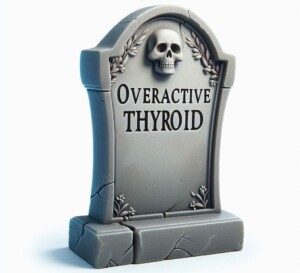
Not having your overactive thyroid treated can kill you.
In fact, it’s not if, but when you’ll die if you don’t get treatment for hyperthyroidism. (more…)

Can Low Thyroid Cause Metal Smelling Breath?

Has your breath been smelling like metal lately?
Perhaps you even TASTE metal for no reason and wonder if a low thyroid could be the cause.
Hypothyroidism, or underactive thyroid, can cause numerous symptoms. (more…)

Can a Low Thyroid Cause Missed Periods?

If you’ve been missing some periods lately but are too young to suspect perimenopause, have you considered low thyroid as a possible cause?
But keep in mind that even a woman of perimenopausal or premenopausal age can still develop underactive thyroid disease. (more…)









Can Two Periods in One Month Mean the Start of Menopause?

There are a few causes of two periods in one month and many women believe that menopause is one of them.
However, what seems to be two periods in one month may be something more sinister… (more…)