Are You About 20 but Have Really High Cholesterol?

Yes, it happens: People in the 20 something age range can have a cholesterol number of 250, even 300.

This would be alarming for a 20-year-old to hear from their doctor.

But one number alone, even as high as 300, doesn’t always tell the whole story.

“Total cholesterol is a sum of both the bad and good cholesterol, so it is hard to evaluate by itself,” says Dr. Lowell Steen, MD, Interventional Cardiologist at Loyola University Medical Center, Director of the Interventional Cardiology Fellowship Training Program, and Medical Advisor to 120/Life, a functional beverage with a blend of six natural ingredients that promote normal blood pressure.

“The total needs to be fractionated or have a so-called lipid profile.”

• LDL – low density lipoproteins (“bad” cholesterol)
• Triglycerides (“bad”)
• HDL – high density lipoproteins (“good”)

Dr. Steen explains, “The total may be elevated because the good or HDL is very high, which is a good thing; or it can be high because the bad or LDL is elevated, which is a bad thing.”

• LDL should be under 100 mg/dL.

• LDL of 100 to 129 are non-concerning for healthy adults with no heart disease or risk factors such as diabetes, smoking and obesity.

• LDL of 130 to 159 is borderline high.

• LDL of 160 to 189 is high; and 190 or more is very high.

• Triglycerides should be under 150.

• Triglycerides of 150 to 199 are borderline high, and over 200 is high.

• The “good” cholesterol of HDL should not be under 40 mg/dL, and if it is, this is a major risk factor for heart disease.

• HDL of 41 to 59 is borderline low.

• Ideally it should be at least 60.

You’re age 20 to 29 and just found out your total cholesterol is 250 to 300. What should be your next move?

“If a 20-year-old receives a total cholesterol result of 300 they should seek the advice of a doctor,” says Dr. Steen.

Some patients receive fractionated lab results and not just the one total number — and the component numbers that are not supposed to be high will be flagged, as will be the HDL if it’s low.

In the event of a shockingly high cholesterol total with a poor profile in a young adult, Dr. Steen explains, “This could mean that the patient has a familial or inherited cholesterol problem.

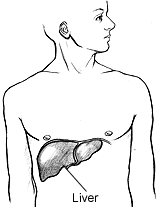
“It could imply the 20-year-old may have a genetic cholesterol problem that causes the liver to manufacture or produce too much cholesterol. Ultimately, this would be the major concern.”

Dr. Steen’s clinical expertise includes angioplasty, chest pain, coronary artery disease, heart attack, high blood pressure, valve disease, and vascular disease and intervention. 120life.com
Lorra Garrick has been covering medical, fitness and cybersecurity topics for many years, having written thousands of articles for print magazines and websites, including as a ghostwriter. She’s also a former ACE-certified personal trainer.

.

Top image: Shutterstock/lenetstan

Can a Heart Attack Cause Only One Symptom: Chest Tightness ?

If you suddenly feel tightness in your chest but have no other symptoms, what are the odds that this could be a heart attack, especially if you have the classic risk factors?

12 Risk Factors for a Heart Attack

• Age: over 50 for men, 45 for women

• Atrial fibrillation

• Cholesterol: high triglycerides and LDL

• Coronary artery disease

• Diet high in processed foods

• Diabetes

• Exercise: not enough

• Family history

• High blood pressure

• Obesity

• Sleep apnea (untreated)

• Smoking

The most common symptom involving the chest that many people associate with a heart attack is that of “pain.”

Other symptoms are referred to as aching, heaviness or a squeezing sensation. The squeezing can also be thought of as tightness.

The following additional conditions have been associated with a higher risk for a heart attack:

• Insomnia or poor sleep habits

• Chronic stress

• Panic attacks

• Cocaine use

• Apple shaped body (excessive abdominal fat relative to the rest of the body)

• Consuming foods with trans fats

Chest Tightness As the Only Symptom of a Heart Attack

Shutterstock/pikselstock

“Yes, chest tightness can be the only heart attack symptom,” says Dr. Lowell Steen, MD, Interventional Cardiologist at Loyola University Medical Center, Director of the Interventional Cardiology Fellowship Training Program, and Medical Advisor to 120/Life, a functional beverage with a blend of six natural ingredients that promote normal blood pressure.

Dr. Steen explains, “When it comes to heart attack symptoms, pain is not the preferred symptom description because the vast majority of heart patients report tightness, squeezing or heaviness, but not pain.

“Others just have shortness of breath, jaw pain or discomfort, or fatigue. Additionally, many patients state nausea or vomiting symptoms, so it can be very misleading.”

If you’ve been having recurring bouts of only one symptom – that of a tight feeling in your chest – and otherwise you feel fine — don’t assume that you’re in the clear.

One might figure that it’s just not possible to keep having recurring heart attacks and surviving them without medical intervention, so therefore, repeated occurrences of chest tightness can’t possibly mean a heart problem.

Oh yes they can: coronary artery disease – causing angina. Angina isn’t just chest pain. It can be tightness in that area too, and only the tight feeling.

Angina is when coronary artery disease (clogged arteries) prevent adequate blood flow through the heart.

The interior of the arteries is narrowed due to plaque buildup, meaning impeded blood flow through the cardiac muscle.

This can cause episodes of tightness, heaviness or pain in the chest (and/or shortness of breath) upon even mild exertion. So if you’re been having this solitary symptom, the first doctor you should see is a cardiologist.

Then if all is negative, go see a gastroenterologist, since a tight feeling (or pain) in the chest can also be caused by digestive issues.

Dr. Steen’s clinical expertise includes angioplasty, chest pain, coronary artery disease, heart attack, high blood pressure, valve disease, and vascular disease and intervention. 120life.com
Lorra Garrick has been covering medical, fitness and cybersecurity topics for many years, having written thousands of articles for print magazines and websites, including as a ghostwriter. She’s also a former ACE-certified personal trainer.

.

Top image: Freepik.com