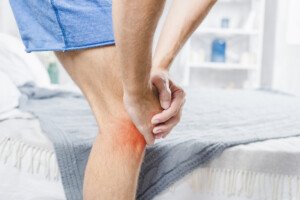
If you’re suffering from osteoarthritis knee pain, this doesn’t mean that exercise can’t improve your situation.
A large analysis suggests that simple treatments may be the most effective ways to manage knee osteoarthritis.
Researchers found that knee braces, water-based therapy and regular exercise provided the strongest benefits.
The study, published in PLOS One, looked at a wide range of non-drug treatments to see which ones actually help patients the most.
Knee osteoarthritis, often called KOA, is one of the most common joint conditions among older adults. But it can also occur in middle age.
It happens when the protective cartilage in the knee joint gradually wears down. Over time this can lead to persistent pain, stiffness, swelling and reduced mobility.
Many patients rely on anti-inflammatory medications to control symptoms. While these drugs can reduce pain, they can also come with potential side effects, including drowsiness, stomach problems and increased cardiovascular risk.
Researchers Compared 12 Different Treatment Options
To figure out which non-drug therapies work best, researchers analyzed results from 139 clinical trials.
Altogether, the trials included nearly 10,000 participants who were being treated for knee osteoarthritis.
The researchers compared 12 different treatments, including knee braces, exercise programs, hydrotherapy, laser therapy, electrical stimulation, ultrasound therapy, insoles and kinesiology tape.
Using a technique called a network meta-analysis, they were able to combine results from all the studies and rank each treatment based on how well it worked.
Among all the treatments studied, knee braces came out on top.
People who used knee braces experienced strong improvements in several key areas, including reduced pain, better joint function and less stiffness.
The braces help stabilize the knee joint and redistribute pressure, which can make everyday movement more comfortable.
Water-based therapy, often called hydrotherapy, was especially effective for relieving pain.
These programs typically involve guided exercises performed in warm water.
The water helps support body weight and reduces stress on the joints while still allowing muscles to work.
Regular exercise also performed very well in the study.
Participants who followed exercise programs reported consistent improvements in both pain levels and physical function.
Strengthening the muscles around the knee can help support the joint and improve mobility over time.
Some high-tech treatments showed only moderate results
A few more advanced therapies did show some benefits, but they did not perform as well as the simpler options.
Treatments such as high-intensity laser therapy and shock wave therapy produced moderate improvements in symptoms.
Ultrasound therapy, however, ranked at the bottom of the list. Across the studies analyzed, it was consistently the least effective treatment for knee osteoarthritis.
The authors note that some differences between the trials could affect how precise the rankings are.
For example, the studies varied in size, treatment length and design. Some therapies were tested in smaller groups than others.
Even so, the overall pattern was clear: Physical therapy approaches appear to provide meaningful relief without the risks associated with anti-inflammatory medications.
Braces ranked first and ultrasound ranked at the bottom. Future studies may look at combining treatments.