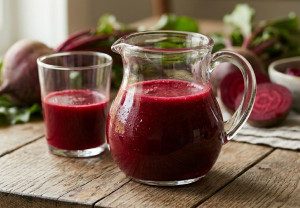
A simple daily beetroot juice habit might help explain a surprising part of healthy aging: how mouth bacteria are tied to blood pressure.
Researchers at the University of Exeter found that older adults who drank nitrate-rich beetroot juice twice a day for two weeks experienced a drop in blood pressure.
Younger adults didn’t show the same blood pressure change, even though their oral bacteria still shifted.
The study is in Free Radical Biology and Medicine (2026).
Why Oral Bacteria Play a Role
Nitrate naturally occurs in many vegetables, and beetroot is one of the richest sources.
Others include spinach, arugula, celery, fennel and kale.
Certain bacteria help convert dietary nitrate into compounds that later support nitric oxide production in the body.
Nitric oxide helps blood vessels relax, which helps maintain healthy blood pressure.
If the balance of oral bacteria changes, this conversion process can become less efficient.
The Exeter team found that beetroot juice shifted oral bacteria in older adults in a way that seemed to support this nitrate-to-nitric-oxide pathway.
Drink Beet Juice for Two Weeks and See What Happens
The study included 39 younger adults under 30, and 36 older adults in their 60s and 70s.
Participants completed two separate two-week phases through a crossover design.
In one phase, they drank nitrate-rich beetroot juice. In the other, they drank a placebo version with the nitrate removed.
A two-week break in between helped reset their systems before switching drinks.
Researchers then used gene sequencing to analyze changes in oral bacteria before and after each phase.
Both age groups showed noticeable changes in their oral microbiomes after drinking the nitrate-rich juice, but the patterns were not the same.
In older adults, levels of Prevotella — bacteria considered potentially harmful in this context — went down. At the same time, beneficial-associated bacteria like Neisseria increased.
This older group also started the study with higher blood pressure on average.
After the nitrate-rich beetroot phase, their blood pressure dropped. That didn’t happen during the placebo phase, and it wasn’t seen in younger participants.
Nitric Oxide and Aging
As people age, the body tends to produce less nitric oxide, which can affect blood vessel flexibility and blood pressure control.
A researcher from the University of Exeter noted that older adults typically have lower nitric oxide levels and higher blood pressure, both of which are linked to cardiovascular risk.
Increasing nitrate-rich vegetables in the diet could help support long-term heart health.
If you don’t like the taste of beets, you can try spinach, celery, fennel and kale mixed into a fresh fruit smoothie.
The paper says that it’s important to note that beetroot juice is not a replacement for medication or established treatments for high blood pressure.
But it give it a try, and let your prescribing doctor know so that you can work on infusing natural ways to maintain a healthy blood pressure.