

Bulging Disc: How Long to Try Conservative Treatment?

Find out how long you should give conservative treatment a try before having surgery for your bulging (herniated) disc.
If you’ve been diagnosed with a herniated (bulging) disc, you should not rush into the decision to have surgery.
The overwhelming treatment of choice for a herniated disc is conservative — even if the pain is pretty bad.
You may want to get a second opinion if you feel that a recommendation for surgery is coming prematurely.
But the Fair Question Is…
However, how long should you try the conservative approach before it’s fair to conclude that it just won’t solve the problem?
- Cold packs
- Warm packs
- Physical therapy
- Floor stretches
- Yoga
- Acupuncture
- Over the counter pain relievers
“The timing of non-operative care depends on the individual scenario,” says Dr. P. Justin Tortolani, an orthopedic surgeon and spine specialist with University of Maryland St. Joseph Medical Center.
“If someone presents with a weakening in the leg or foot, we might watch cautiously for a few weeks.
“It means that the nerve is compressed by the disc herniation and is being damaged, and generally, means the nerve fibers in each nerve have been compromised so that they’re not transmitting signals to the muscles.
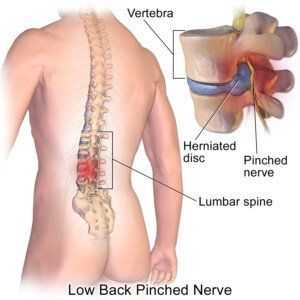
BruceBlaus/CC
“It can be permanent and that’s why we have a lower threshold for considering surgery in a patient who has weakness and is not improving.
“It’s also important to rule out other causes of weakness even with someone with a disc herniation, like Lou Gehrig’s disease or trauma, or syphilis.
“If they present with severe weakness and are showing improvement, they will continue to watch and continue to use non-operative treatment.
“Even with pain, if they are showing signs of strength coming back, we’ll continue to treat without surgery.”
As far as physical therapy, which may be done at home, the patient needs to faithfully stick to the entire exercise regimen in order to give it a fair chance.
Improving symptoms from a herniated or bulging disc through physical therapy can take time.
PT focuses on reducing pain, restoring mobility and strengthening muscles around the spine.
Techniques may include exercises, stretches and manual therapy.
Patience is very important, as it often takes weeks or even months to see significant improvement.
Progress varies based on the severity of the herniation, individual health and adherence to the therapy plan.
Regular follow-ups with the therapist ensure that the treatment is effective and adjusted as needed.
 Dr. Tortolani’s vast experience includes treating all disorders of the spine including herniated discs, spinal stenosis, and adult and adolescent scoliosis.
 Lorra Garrick has been covering medical, fitness and cybersecurity topics for many years, having written thousands of articles for print magazines and websites, including as a ghostwriter. She’s also a former ACE-certified personal trainer.
.
Top image: Shutterstock/TB studio
Can Swollen Anus in Cat Be Caused by Cancer?

How often do you inspect your cat’s anus? Sure, many cat owners don’t like to do this, and in fact, outright avoid it.
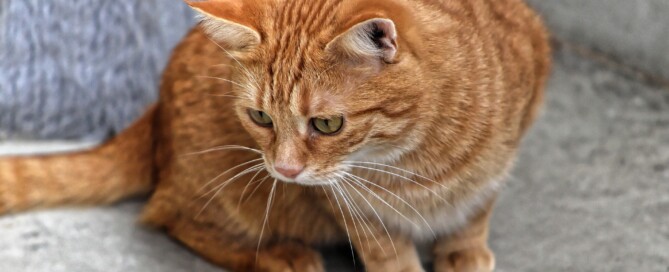
However, if your beloved cat has a swollen anus, this can be caused by cancer, says veterinarian Dr. Jules Benson, BVSc, chief veterinary officer with NationwideDVM, a pet insurer company.
Swollen Anus in a Cat: Common Cancers
“Yes – swellings or visible masses around the anus can be caused by cancerous growths,” says Dr. Benson.
The most common abnormal growths in the anal area of a cat are anal gland adenocarcinoma and fibrosarcoma.
“Your vet can help to determine what the cause might be by examining your pet and taking biopsies of any swellings,” says Dr. Benson.
“Unfortunately, adenocarcinoma and fibrosarcoma do not have good prognoses, but evaluation by a veterinarian or even consultation with a veterinary oncologist can result in positive outcomes.”
Treatments Are Expensive
“While these treatments are often expensive, having pet insurance that covers standard cancer treatments can make the difference between being able to pursue the most cutting-edge treatment options, versus palliative care to just keep your pet comfortable,” says Dr. Benson.
 Dr. Benson is regularly consulted by many media outlets including ABC, NBC, FOX, The Wall Street Journal and The New York Times to provide pet health advice to pet parents nationwide.
Lorra Garrick has been covering medical, fitness and cybersecurity topics for many years, having written thousands of articles for print magazines and websites, including as a ghostwriter. She’s also a former ACE-certified personal trainer.
Shoulder Pain but No Other Symptoms?

Orthopedic surgeon Dr. Mark Galland talks about causes of shoulder pain in the absence of other symptoms.
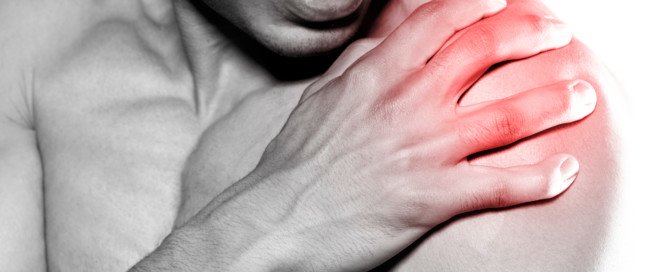
“Shoulder pain, in the absence of any other symptoms, is most commonly caused by a rotator cuff tear or tendonitis, bursitis, or osteoarthritis,” says Dr. Galland, orthopedic surgeon, sports medicine specialist and physician at Orthopaedic Specialists of North Carolina.
The Rotator Cuff
The rotator cuff is composed of four muscles and their tendons that form a “cuff” around the shoulder joint, enabling a wide range of motion from the shoulder.
These muscles not only facilitate movement but also provide essential stability to the shoulder.
They act as dynamic stabilizers, supporting larger, inherently stronger muscles like the deltoids and latissimus dorsi during upper body activities, particularly that of strength training and throwing.
Tendonitis
Tendons join muscle to bone. Tendons are vulnerable to inflammation when overused.
In the case of shoulder pain, the tendons involve the rotator cuff. Pain from rotator cuff tendonitis is notorious for “referring” or “radiating.
In other words, you may feel pain at the side of your upper arm, just below the shoulder, even though the origin of the problem is higher up within the shoulder joint.
Bursitis
This is nflammation of the bursa, sac-like structures in the shoulder joint.
A bursa is fluid-filled and cushions a joint. The pain may feel achy or sharp and often worsens with movement or pressure.
However, bursitis pain can actually come and go, especially with activity levels, repetitive motion or if the underlying cause isn’t consistently addressed or treated.
Osteoarthritis
This is inflammation and wearing down of the cartilage that provides shock absorption between bones.
“When the shoulder pain is accompanied by numbness or tingling into the arm or hand, this strongly indicates a pinched nerve in the neck.
“Sometimes shoulder problems in and of themselves can cause numbness to occur, but it is more often indicative of a problem in the neck.”
Cancer Can Cause Shoulder Pain
A rare cause of shoulder pain when there aren’t any other symptoms is a tumor of the lung.
The lungs sit beneath the shoulder nerves. If the tumor is pressing on one of these nerves, pain can result.
But you must realize that this is very rare, especially if it’s not accompanied by other symptoms such as persistent cough, shortness of breath, undue fatigue or unexplained weight loss.
 Dr. Galland has authored many book chapters and papers in sports medicine. His advice and consultation have been sought by world-class athletes in track and field and Major League Baseball.
 Lorra Garrick is a former personal trainer certified by the American Council on Exercise. At Bally Total Fitness she trained clients of all ages for fat loss, muscle building, fitness and improved health.
.
Top image: Shutterstock/KlaraBstock

Can Deep Squats Harm the Knee: Orthopedic Surgeon’s Response
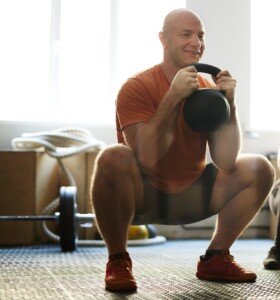
Can deep knee squats hurt the knees?
Assume the squats are executed with feet flat on the floor, and that “deep” means the thighs have surpassed the position of being parallel to the floor.
That’s the question I posed to Dr. Mark Galland,orthopedic surgeon, sports medicine specialist and physician at Orthopaedic Specialists of North Carolina.
“Performing deep squats does not necessarily cause direct harm to the knees,” begins Dr. Galland.
He also points out three conditions that can be conducive to an increased risk of injury or pain to the knees. They are as follows:
“(1) an increase in the bend of the knee or depth of the squat,
(2) over an extended period of time, or
(3) with greater frequency of the activity.”
Keep on Squatting—Smart and with Good Form
“That is not to say that doing deep knee squats should be considered an unsound movement; it only means that, in some cases, caution should be used in order to reduce the chance of injury.”
People who “injure” or “hurt” their knees deep squatting most likely executed poor form, such as tracking the knees ahead of the feet.
This can happen if their heel is elevated on a plank of wood, or if they dorsiflex at an unusually large range of motion (i.e., the “ankle flexibility” that’s needed as one descends into the squat).
Exaggerated dorsiflexion can cause the knees to travel well-ahead of the feet.
Another source of harm can be the knees not tracking properly over the feet, meaning, the knees point out at a certain angle, but the feet don’t match up with this angle.
“Deep knee squatting under extreme weight can also sometimes result in cartilage tears, and prolonged, repetitive deep squatting over a period of time may carry the risk of leading to arthritis under the knee cap, but the likelihood can be minimized by controlling the risk factors above,” says Dr. Galland.
“As with many exercise-related movements, it is reasonable to propose that the potential benefits derived from strengthening the muscles surrounding the knee as a result of doing the squats may outweigh the relatively small risk of injury associated with the movement.”
As a former certified personal trainer, my recommendation is to know the risk factors, concentrate very seriously on executing textbook form, and include squats in your fitness program.
Dr. Galland has authored many book chapters and papers in sports medicine. His advice and consultation have been sought by world-class athletes in track and field and Major League Baseball.
Lorra Garrick is a former personal trainer certified by the American Council on Exercise. At Bally Total Fitness she trained clients of all ages for fat loss, muscle building, fitness and improved health.
.
Top image: Shutterstock/Pressmaster

Causes of Sharp, Stabbing Pain in Knee when Walking

An orthopedic surgeon names causes of a sharp, stabbing pain in the knee when walking.
“Knee pain experienced during moderate movement such as walking may be caused by any number of factors, including tendonitis, a cartilage tear, arthritis or a pre-arthritic condition,” states Dr. Mark Galland, orthopedic surgeon, sports medicine specialist and physician at Orthopaedic Specialists of North Carolina.
Treatment
“Treatment options depend entirely on determining the location and source of the pain, and may include ice massage of the sore area, bracing, anti-inflammatory medication, stretching the hamstring and quadriceps muscles, and modifying your activity for a brief period of time to prevent any aggravation of the area,” explains Dr. Galland.
“These steps would all be reasonable to take regardless of the cause, but ideal treatment would depend on isolating the location and the underlying cause of the pain.”
In rare cases, stabbing knee pain while walking can point to serious problems like a ligament rupture or a stress fracture.
Infections, blood clots or bone tumors can also cause sharp pain, though these are uncommon causes in this context.
Most knee pain isn’t a sign of a serious disorder, but persistent, worsening pain deserves medical attention.
Dr. Galland has authored many book chapters and papers in sports medicine. His advice and consultation have been sought by world-class athletes in track and field and Major League Baseball.
Lorra Garrick has been covering medical, fitness and cybersecurity topics for many years, having written thousands of articles for print magazines and websites, including as a ghostwriter. She’s also a former ACE-certified personal trainer.
.
Top image: Shutterstock/sukiyaki

Grinding Noise in Knee, No Pain: Should You Worry?

What can cause a grinding noise in the knee but no pain, and is this something to be concerned about?
“Painless noise in the knee, as well as other joints, can be safely ignored,” says Dr. Mark Galland, orthopedic surgeon, sports medicine specialist and physician at Orthopaedic Specialists of North Carolina.
“Noises in the knee are fairly common and do not necessarily signify anything significant, although the most common diagnosis associated with a noisy knee is arthritis or pre-arthritis under the knee cap.”
Another Cause of Grinding Sound
“The second most common cause is a painless bursitis behind the knee cap,” says Dr. Galland.
“In arthritic knees, there may be a sound associated when there is bone-on-bone contact; however, the noise associated with this is usually more subtle than the more dramatic noise some patients experience from the benign causes mentioned above.”
Can this morph into a more serious problem and if so, why?
“Surprisingly, a grinding noise in the knee is almost always benign, but any audible symptom, especially if accompanied by pain, should be checked out by a primary care provider or an orthopedist just as a precaution.”
Dr. Galland has authored many book chapters and papers in sports medicine. His advice and consultation have been sought by world-class athletes in track and field and Major League Baseball.
Lorra Garrick has been covering medical, fitness and cybersecurity topics for many years, having written thousands of articles for print magazines and websites, including as a ghostwriter. She’s also a former ACE-certified personal trainer.
.
Top image: ©Lorra Garrick

Questions to Ask Your Surgeon Prior to Knee Arthroscopy

An orthopedic surgeon explains what questions one should ask about their upcoming knee arthroscopy.
Don’t just go into a knee arthroscopy blindly. You should be armed with knowledge ahead of time.
Nature of the Knee Arthroscopy and Description
“A patient should ask the surgeon exactly the nature of the procedure and a description of what will be taking place during the arthroscopy,” says Dr. Mark Galland,orthopedic surgeon, sports medicine specialist and physician at Orthopaedic Specialists of North Carolina.
Ask the surgeon to explain the procedure with a model of the knee joint.
If one is not in the office, your doctor can use a 2D illustration or perhaps already has a favorite video showing the procedure in animated form.
Surgeon’s Expectations of a Successful and Unsuccessful Knee Arthroscopy
“The patient should also ask the surgeon to state his or her expectations of the procedure if it is successful,” says Dr. Galland.
Make sure that the information you get goes beyond just a generic template.
For instance, how soon will you be able to return to your favorite physical activities?
“A surgeon should be able to offer the patient an overview of the long-term ramifications, both in the case of a successful procedure as well as an unsuccessful procedure.”
Recovery Expectations
Finally, Dr. Galland says, “A patient should also ask what they can expect regarding recovery, including how long until they can walk and return to normal activity, as well as what the restrictions may be during convalescence.”
Another question to ask your surgeon about knee arthroscopy is about possible complications and what will be done to help reduce them.
Another good question is about the type of anesthesia (general, regional or local?).
Ask your doctor if you can record the Q & A on your phone.
This way when you wonder about a particular answer, you can conveniently play it back.
Dr. Galland has authored many book chapters and papers in sports medicine. His advice and consultation have been sought by world-class athletes in track and field and Major League Baseball.
Lorra Garrick has been covering medical, fitness and cybersecurity topics for many years, having written thousands of articles for print magazines and websites, including as a ghostwriter. She’s also a former ACE-certified personal trainer.
.
Top image: Shutterstock/goodluz
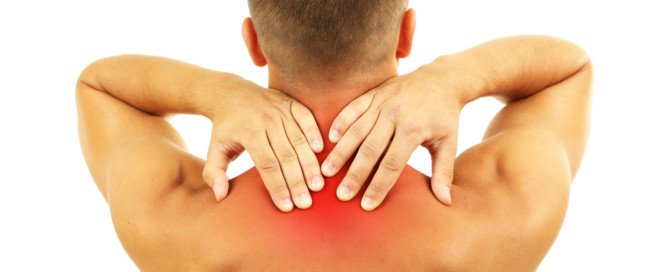
What’s It Mean When Collarbone Pain Comes from the Neck?

So your pain is in the collarbone or clavicle area, but it seems to be originating from your neck.
This doesn’t sound good, and it warrants a medical evaluation.
“Shoulder blade pain is most commonly indicative of a cervical problem, usually degenerative disc disease, sometimes spinal stenosis, or radiculopathy, which is more commonly known as a pinched nerve,” says Dr. Mark Galland, orthopedic surgeon, sports medicine specialist and physician at Orthopaedic Specialists of North Carolina.
“Cervical” refers to the neck area (cervical vertebrae). In degenerative disc disease, the spongy-like, shock-absorbing discs in between each vertebra are worn down.
Spinal stenosis is narrowing of the canal through which the spinal cord runs. Both situations can put pressure on nerves that come off the spinal cord.
Pain, tingling, numbness and weakness are all symptoms that can result.
Radiculopathy is when the pain, caused by nerve compression or pinching, radiates away from the source of the pinching.
So for a very common example, the pinching or compression of the nerve may be occurring in the low back (lumbar area), but the pain may be radiating down the leg.
Nerve compression in the neck area, likewise, can generate pain in the clavicle or shoulder region.
“Treatment options for this kind of pain include rest, physical therapy, a brief course of anti-inflammatory medication and a self-directed home exercise program,” says Dr. Galland.
It’s very crucial to stick with the physical therapy and home exercises.
“More significant pathology can be treated with a specialized injection called an ESI,” says Dr. Galland.
So if you have shoulder blade pain that seems to come from your neck, you should see an orthopedic specialist or sports medicine doctor.
ESI stands an epidural steroid injection, which often eliminates pain for up to three or four months.
Dr. Galland has authored many book chapters and papers in sports medicine. His advice and consultation have been sought by world-class athletes in track and field and Major League Baseball.
Lorra Garrick is a former personal trainer certified by the American Council on Exercise. At Bally Total Fitness she trained clients of all ages for fat loss, muscle building, fitness and improved health.
.
Top image: Shutterstock/Africa Studio

Collar Bone Shoulder Pain but Full Range of Motion?


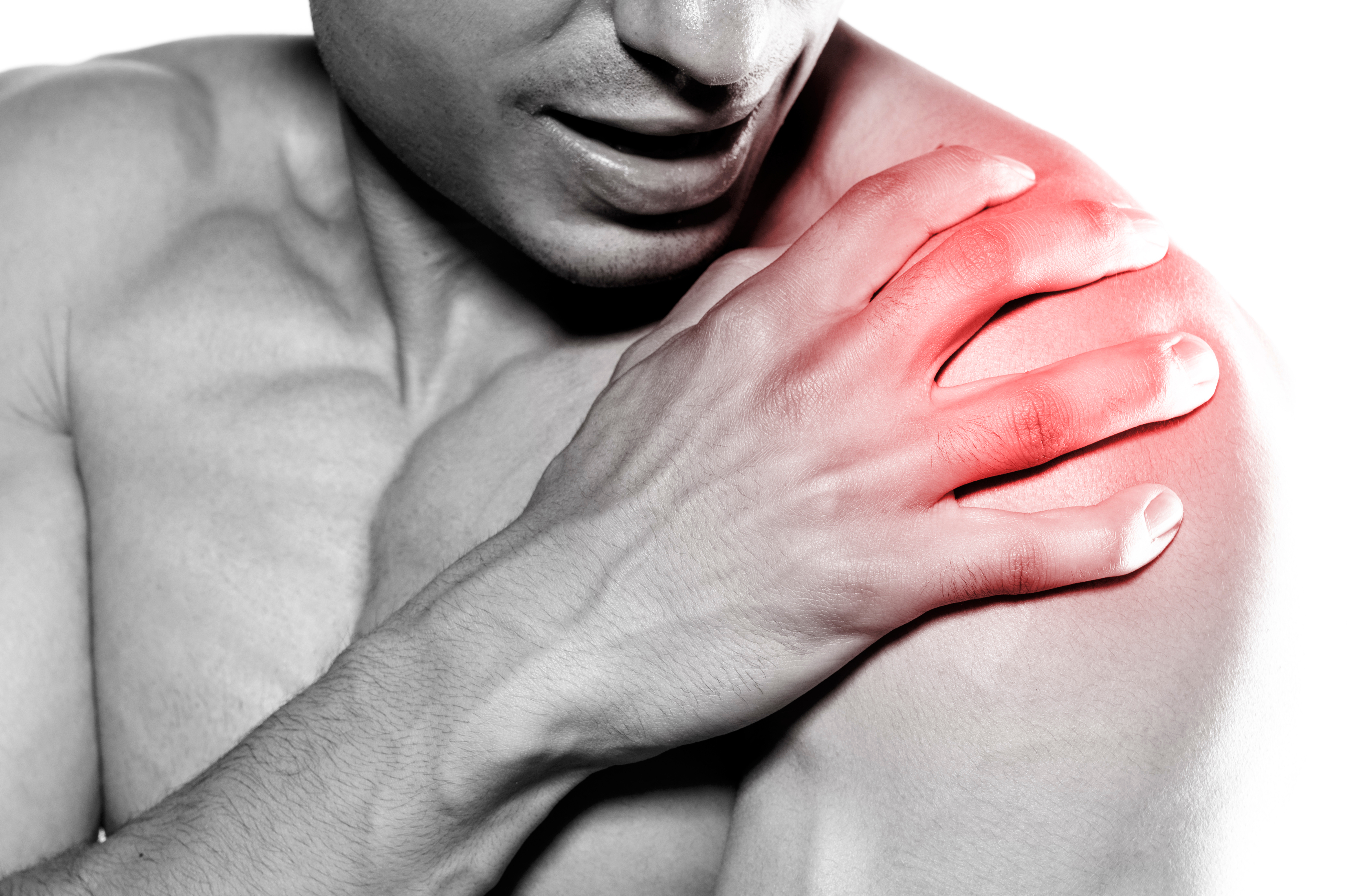




What can cause pain around the collar bone of your shoulder if the bone is not broken and you have full range of motion?
There are several possible causes of this situation.
“Nagging aches or pains around the collar bone may be caused by osteoarthritis of the acromioclavicular joint, also known as the AC joint; or the sternoclavicular joint, or the SC joint,” says Dr. Mark Galland, orthopedic surgeon, sports medicine specialist and physician at Orthopaedic Specialists of North Carolina.
The acromioclavicular joint is a key joint located where the acromion — a part of the shoulder blade (scapula) — meets the clavicle (collarbone).
It allows the shoulder to move and maintain stability. Movements include raising the arm, reaching overhead and rotating the shoulder.
What is osteoarthritis?
Osteoarthritis is a degenerative joint disease characterized by the gradual wearing down of cartilage between bones.
Cartilage is a smooth, flexible tissue that acts as a cushion and provides shock absorption between bones, allowing for smooth and pain-free joint movement.
In osteoarthritis, this cushioning layer deteriorates over time, leading to increased friction between the bones.
As the cartilage thins and wears away, bones may come into direct contact with each other, resulting in pain, swelling and decreased joint flexibility.
The reduction in cartilage reduces the joint’s ability to absorb shocks, which can exacerbate discomfort and contribute to further joint damage.
This condition can impact any joint — including the shoulder.
OA happens commonly to the knees, which is why people get knee replacement surgery.
It also occurs fairly commonly to the hip joint, necessitating hip replacement surgery.
However, shoulder replacement surgery is much less common because conservative treatments have a higher success rate than they do with OA of the knee or hip.
But if the osteoarthritis is bad enough (such as a bone-on-bone situation), and depending on the patient’s condition and medical history, an artificial shoulder joint may be an option.
If you are experiencing shoulder pain that won’t go away, yet you still have a full range of motion, you should make an appointment with a physician whose specialties include the shoulder joint.
Many things can lead to persistent shoulder pain.
If the pain is worse when you move the joint in certain positions, or when you try to lift a weight over your head, this indicates a strong possibility of a musculoskeletal origin that does not involve a wearing down of the cartilage.
The collar bone may or may not be involved when the problem is musculoskeletal in origin.
If the rotator cuff is involved, there will NOT be full range of motion without pain.
Dr. Galland has authored many book chapters and papers in sports medicine. His advice and consultation have been sought by world-class athletes in track and field and Major League Baseball.
Lorra Garrick is a former personal trainer certified by the American Council on Exercise. At Bally Total Fitness she trained clients of all ages for fat loss, muscle building, fitness and improved health. Her writing focuses on fitness, health and medicine.
Old Cat Keeps Vomiting? 4 Causes, Solutions

An old cat can vomit for several reasons, some benign and some serious.
Cause #1 of an old cat vomiting
One cause can be diet, says Dr. Jules Benson, BVSc, chief veterinary officer with NationwideDVM, a pet insurer company.
An aging cat is less efficient at digesting foods that previously gave it no trouble.
“Your cat may have thrived on an inexpensive store-brand food for years, but poor quality proteins can get harder for older pets to break down,” says Dr. Benson.
The solution is a high-quality “senior pet” or “sensitive stomach” formula.
Aside from aging, older cats may develop allergies to certain food proteins, though this problem is more common in younger felines.
Switching your older cat over to a fish, lamb or a venison based diet may help alleviate vomiting.
Cause #2 of an old cat vomiting
Hairballs. An older can may lose more fur, meaning, more hairballs. “Using a hairball-specific diet or supplementing your cat’s diet with a lubricant like Laxitone (available from your veterinarian) can help ease hair through the GI tract,” says Dr. Benson.
What would be preferable, though, is to regularly brush your old cat with a special tool that helps remove the undercoat, like the Furminator (at pet stores).
Cause #3 of an old cat vomiting
Disease, and many, can cause this issue. Dr. Benson lists the following: cancer, GI ulceration, poisoning, ingestion of a foreign body, thyroid disease, kidney disease, pancreatitis and parasites.
And, just like in some people, stress can cause vomiting. A cat can be stressed enough to get sick.
“Your veterinarian will likely recommend a basic set of tests, including blood work, urinalysis (yes, even if your pet is urinating normally!), fecal testing and radiographs (X-rays), and may recommend additional tests like ultrasonography, GI-specific blood panels, endoscopy and/or biopsies,” explains Dr. Benson.
Cause #4 of an old cat vomiting
Feeding/eating patterns. Dr. Benson explains that cats that are “portion-fed at regular intervals may anticipate mealtimes and produce large amounts of gastric acid, which can cause them to throw up prior to food, or just after.”
If a cat gobbles up food, this too can cause it to upchuck. If you notice this pattern, try feeding your pet very small amounts of food when they “start to get vocal about mealtimes,” says Dr. Benson. Break their meal up into smaller portions.
“Overproduction of gastric acid can also be helped with some medications; your veterinarian will be able to help.”
If your older cat has been vomiting, don’t delay a vet visit by first trying home treatments; see the doctor promptly to rule out serious causes as soon as possible.