

Chest Pain from Bread: Doctor Explains Why and Solutions

That heavy, uncomfortable feeling in your chest when you eat bread — a unique chest pain that no other food causes.
What truly is going on here?
How can bread cause chest pain in the first place?
“Bread itself is not the cause of chest pain,” says Stacy Mitchell Doyle, MD, resident physician of FoodTherapyMD and long-time advocate of plant-based nutritional protocols.
So right off the bat, you’ll want to eliminate any ingredients as a culprit.
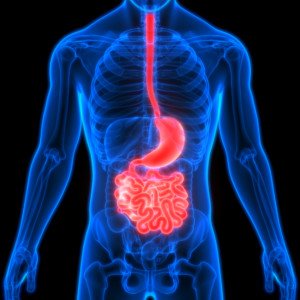
Dr. Doyle explains, “It is that mechanically, it is being poorly digested and stuck at the junction of your stomach and esophagus.”
The esophagus (“food pipe”) is behind your sternum, so any irritation to it will cause pain in the chest area.
Shutterstock/Magic Mine
“Any food bolus can cause these symptoms,” says Dr. Doyle.
“However, some foods may also be more likely to cause acid reflux, which results in irritation and spasming of the esophagus.
“These are spicy foods, alcohol, tomatoes and peppermint. This spasming causes chest pain, which can be indistinguishable from the chest pain caused by the heart.
“The solution is to eat small bites, eat slowly and chew your food well.”
And insert sips of water to help smooth out the process.
Of course, it can sometimes be challenging to slowly eat your favorite kind of bread — being that bread is so delicious and goes with so many foods and is an easy staple for any meal of the day.
But you’ll find that the chest pain, which can sometimes feel like a pressure, won’t occur if you take your time eating bread with smaller mouthfuls.
The Esophagus Is a Muscle
The esophagus is a muscle, actually, so it’s capable of going into spasms, just like skeletal muscle is.
And you may already know just how painful a skeletal muscle spasm is.
For example, have you ever gotten a calf cramp in the middle of the night? If so, you know how freaking painful this can be. Muscle spasms aren’t pretty.
How about a toe cramp? The pain is horrendous though very transient.
If you still continue to suffer chest pain from eating bread, you may want to cut back on bread and replace it with something that’s more health-giving to the body, such as brown, wild or basmati rice; barley; quinoa; or lentils.
 FoodTherapyMD™ is the brainchild of Dr. Mitchell Doyle and recognizes that phytonutrients, the substances that make plant food so amazing, can be tailored to fight specific disease states.
 Lorra Garrick has been covering medical, fitness and cybersecurity topics for many years, having written thousands of articles for print magazines and websites, including as a ghostwriter. She’s also a former ACE-certified personal trainer.
.
Top image: ©Lorra Garrick
Why Do Weather Reporters Noisily Gulp Air when Talking?

Do you cringe while listening to weather or sports reporters loudly gulp air after every sentence, including short sentences?
What is UP with this most annoying phenomenon that seems to be far more prevalent among people who give the weather? (more…)

Does Adult Wearing Diaper to Sleep Cause More Bed Wetting?

Is it actually possible to unwittingly “train” your body to wet your bed more if you sleep with adult diapers?
If you’re sick and tired of bedwetting and have finally decided to buy the so-called diapers for adults, you may be in that bigger-than-expected percentage of adult bed-wetters who wonder if use of these padded devices will somehow encourage more wetting of the bed. (more…)
Dizziness when Blowing Nose: Can Cancer Cause This? What Else?

Do you usually get hit with a wave of dizziness during or immediately after blowing your nose and can’t get the idea of cancer out of your mind?
“Dizziness when you blow your nose is not due to cancer,” begins Susan L. Besser, MD, with Mercy Medical Center, Baltimore, and Diplomate American Board of Obesity Medicine and board certified by the American Board of Family Medicine.
True Cause of Dizziness Related to Blowing the Nose
Dr. Besser explains, “It is due to sudden blood pressure changes. When you blow your nose, a phenomenon called Valsalva happens.
“The forceful nose blow causes the blood pressure in the chest to rise for a few seconds.
“This causes a drop in the ability of the blood to return to the heart, which causes you to get dizzy or faint for a few seconds until the pressure equalizes.
“It is not a cancer problem, although anything that causes problems with blood flow (either a blockage from arteriosclerosis or a mass compressing the blood vessels) can cause the same effect.”
Forceful blowing of the nose can also cause it to bleed because the blowing ruptures tiny blood vessels. This, too, is not caused by cancer.
Make a point of being more gentle when blowing your nose. If forcefulness is the only way to “get everything out,” then you should try a nasal irrigation system — also known as a neti pot.
Nasal irrigation will moisten and loosen up all the gunk in there, making it easier to expel, requiring less forcefulness.
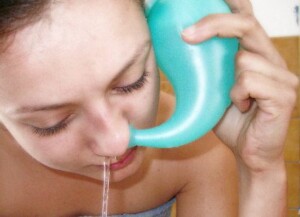
Nasal irrigation. Aikhan/creativecommons
Sleeping with a humidifier near your head may also prevent dryness from causing you to awaken with sinuses packed with dried chunks of mucous.
 Dr. Besser provides comprehensive family care, treating common and acute primary conditions like diabetes and hypertension. Her ongoing approach allows her the opportunity to provide accurate and critical diagnoses of more complex conditions and disorders.
Lorra Garrick has been covering medical, fitness and cybersecurity topics for many years, having written thousands of articles for print magazines and websites, including as a ghostwriter. She’s also a former ACE-certified personal trainer.
.
Top image: ©Lorra Garrick
Can Non-Walking Pneumonia Go Away On Its Own?
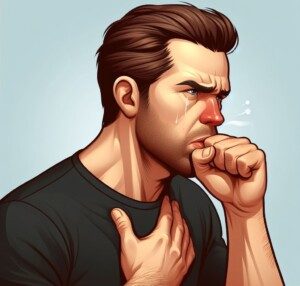
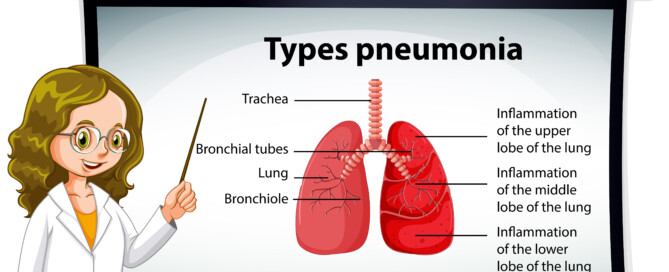
Non-walking pneumonia refers to a more serious type, while “walking” refers to a less threatening type that some people claim has gone away without treatment.
If you don’t treat the so-called non-walking pneumonia, can it resolve on its own?
“No, it can’t,” says Susan L. Besser, MD, with Mercy Medical Center, Baltimore, and Diplomate American Board of Obesity Medicine and board certified by the American Board of Family Medicine.
“In this case the pneumonia is due to a bacterial infection and antibiotics are needed to treat it,” explains Dr. Besser.
“The difference in terminology is colloquial. ‘Walking’ pneumonia implies it is less severe and treatable as an outpatient (oral antibiotics).
“‘Non-walking’ pneumonia is more severe and requires hospitalization for supportive care (usually oxygen therapy and IV antibiotics). Medical professionals don’t use this terminology, by the way.”
What about “regular” pneumonia?
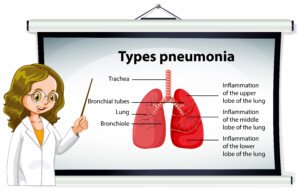
Dr. Besser exlains, “‘Regular’ pneumonia is also colloquial, but I suspect it refers to the more standard bacterial types as opposed to unusual causes (such as unusual bacteria or a mass in the lung that causes a portion of the lung to be blocked which causes bacteria to grow in that area without being able to be cleared).”
Don’t get caught up with terminology. If you suspect pneumonia, get to the emergency room where antibiotics can be started immediately after the diagnosis.
Vital Tips
• Be leery of the validity of people who claim to have gotten rid of their pneumonia without treatment. It’s possible that they were misdiagnosed, since pneumonia on a chest X-ray can resemble less serious conditions.
• A person can have pneumonia without having a frequent cough.
• This infection can turn very ugly rapidly after festering at a lower level for days.
• Just because aspirin may make the fever of pneumonia disappear doesn’t mean that aspirin is effective at killing off the infection!
• Treatment for this common killer is very effective when administered in a timely fashion, but futile when the patient gets to the emergency room too late.
• The time for ER treatment is before the infection has taken an abrupt turn for the worse.
Early intervention is crucial to prevent complications and manage the condition effectively.
If symptoms such as severe chest pain, difficulty breathing or high fever persist or escalate, it’s essential to seek prompt medical attention.
Timely treatment can help mitigate the risk of severe outcomes and facilitate a more effective recovery.
Dr. Besser provides comprehensive family care, treating common and acute primary conditions like diabetes and hypertension. Her ongoing approach allows her the opportunity to provide accurate and critical diagnoses of more complex conditions and disorders.
Lorra Garrick has been covering medical, fitness and cybersecurity topics for many years, having written thousands of articles for print magazines and websites, including as a ghostwriter. She’s also a former ACE-certified personal trainer.
.
Top image: ©Lorra Garrick
Can Low Thyroid Cause Shortness of Breath or Is It Mental ?

Do you feel short of breath lately and wonder if it’s a low thyroid causing this or all in your head, even though you have not been diagnosed with hypothyroidism? (more…)
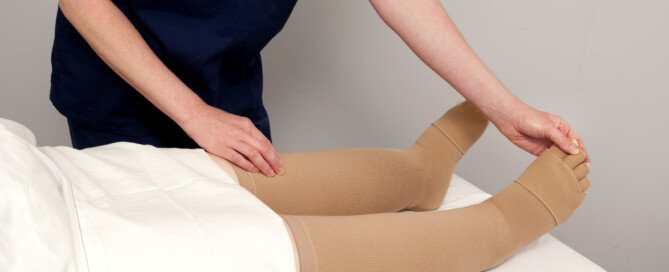
Can Leg Edema Cause a Deep Vein Thrombosis (DVT) ?
Edema in the legs is the result of a process that involves the veins, and a DVT is also the result of a process that involves the veins.
So how likely, then, can having edema in the legs cause a deep vein thrombosis?
“No, edema cannot cause a DVT,” says Susan L. Besser, MD, with Mercy Medical Center, Baltimore, and Diplomate American Board of Obesity Medicine and board certified by the American Board of Family Medicine.
Dr. Besser adds, “A DVT is due to a blood clot within a vein. Edema of the leg is due to excess fluid in the tissue of the leg but not in the vessels.”
So how, then, are veins associated with the buildup of this excess fluid?
In the case of congestive heart failure, which is very common all over the world, the heart fails to pump an adequate amount of blood throughout the body.
Veins transport used (de-oxygenated) blood back to the lungs for re-oxygenation, where it then goes to the heart to be pumped out again. The veins in your legs and elsewhere in the body have this job.
In congestive heart failure, things get backed up, or congested. This backup causes the returning blood flow, from the veins in the legs, to become backed up. Excess fluid results, but it makes its way into the tissue around these veins.
Another common cause of leg edema is excessive sitting. Though excessive sitting increases the risk of a DVT, this higher risk is not induced by way of the edema.
Rather, it’s induced by the prolonged pooling of the blood (from too many hours sitting) in the veins.
High sodium intake in salt-sensitive people is another cause of edema in the legs. But again, this does not affect the clotting factor of venous blood.
Causes and Increased Risk Factors for DVT
• Not edema
• Lack of exercise, sedentary lifestyle
• Obesity, even a moderate degree of overweight
• Prolonged immobility during air and vehicular travel
• Excessive bed rest
• Recent surgery, especially abdominal or joint replacement
• Smoking or chewing tobacco
• Pregnancy — current
• The “sitting disease”
Dr. Besser provides comprehensive family care, treating common and acute primary conditions like diabetes and hypertension. Her ongoing approach allows her the opportunity to provide accurate and critical diagnoses of more complex conditions and disorders.
Lorra Garrick has been covering medical, fitness and cybersecurity topics for many years, having written thousands of articles for print magazines and websites, including as a ghostwriter. She’s also a former ACE-certified personal trainer.
.
Top image: Shutterstock/futurewalk
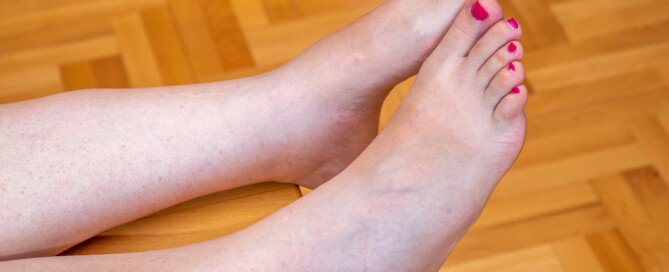
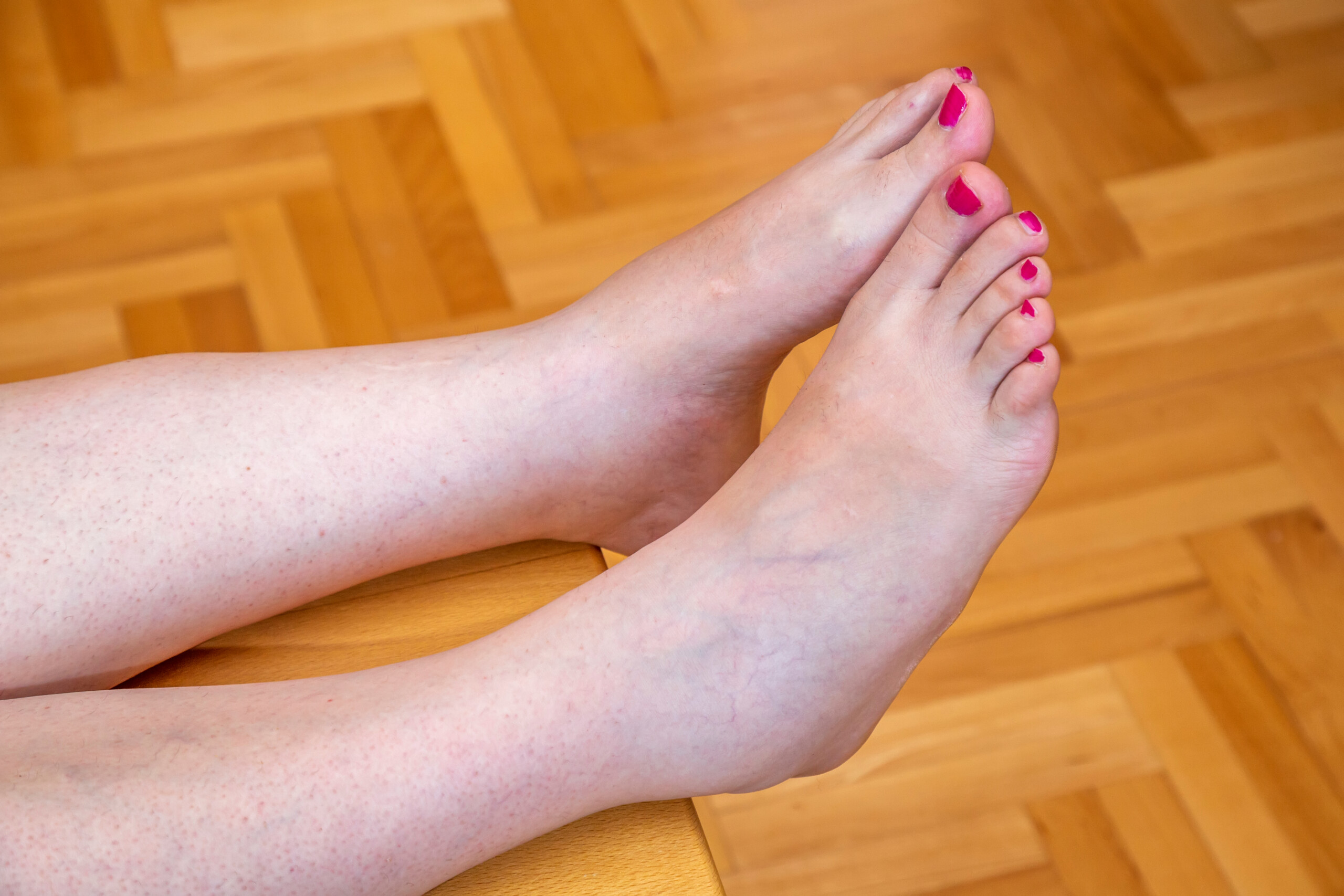
Benign Causes of Both Ankles Being Swollen & Puffy and Treatment
You can’t always tell by simply looking at your swollen puffy ankles if the cause is serious or benign.
If you’re worried about the bilateral swelling in your ankles, especially if it seems to be getting worse (do you use a tape measure?), then a visit to the doctor is in order. (more…)





Why Is Hand Grip Strength Linked to Heart Health?

It’s no secret in the medical world that hand grip strength is associated with heart health, cardiac events and death.
You may be wondering what on earth does hand grip strength have to do with heart health. Keep reading… (more…)
Treating Pneumonia in the Elderly with Heart Failure
Here’s what you need to know about treatment if your elderly family member is diagnosed with pneumonia but has pre-existing heart failure.
Pre-existing heart failure poses a significant risk of higher mortality when such patients acquire pneumonia. (more…)