

Blurry Vision After Walking a Few Minutes: Causes, Solutions

You begin walking and within minutes notice that you have blurry vision, or vision that is more blurred than usual.
What is the cause of this worrisome response to walking? (more…)

Cause of Seeing Blue Spots in One’s Vision

It’s one thing to see brown or tan floaters and spots in one’s vision, but just what does it mean when these spots and dots are BLUE?
“Floaters are seen as dots (sometimes appearing blue) in the vision that move around,” says Dr. Brian Boxer Wachler, MD, eye surgeon and founder of The Boxer Wachler Vision Institute, and developer of the Holcomb C3-R® procedure which treats a degenerative eye disease.
“Migraine headaches can cause blue dots and other types of color spots,” says Dr. Boxer Wachler.
“Seeing everything with a blue tint can be caused by Viagra and related medications that increase high amounts of nitric oxide. Some over-the-counter supplements could cause blue spots.”
This interesting side effect is harmless. Floaters can also appear as blobs or squiggles.
Can a brain tumor cause blue floaters?
Unfortunately, it’s possible for a brain tumor to cause floaters, but not specifically blue ones.
However, by the time a brain tumor begins causing the experience of floaters, squiggles or spots in one’s vision, there will very, very likely be other symptoms, such as a sensation of a foreign object in one’s eye that won’t go away.
If you have new-onset specks, spots, dots, lines or other types of floaters, the cause is FAR more likely to be something other than a tumor.
What about a brain aneurysm?
A cerebral aneurysm can cause floaters, but not specifically blue ones.
If in addition to new-onset spots in your field of vision, you’ve noticed a drooping eyelid, nausea, blurred vision or double vision, these signs heighten the suspicion for an aneurysm (a bulge in a blood vessel where the interior lining is weak).
More Causes of General Eye Floaters
• Age: over 50
• Asteroid hyalosis (a benign condition involving accumulation of tiny harmless crystals in the eye’s vitreous gel)
• Diabetes
• Eye surgery
• Infection
• Injury
• Nearsightedness: severe
• Posterior vitreous detachment (age related and sounds a lot worse than it actually is, but it’s benign)
• Retina tear or detachment
• Syphilis
• Tuberculosis
• Tumors in the eye (this cause is extremely rare)
If you’ve recently had LASIK, this can temporarily increase floaters, but does not make them appear blue in color.
Of course, if floaters – regardless of color – become annoying, you should see an eye doctor.
If this article provided you with helpful information or reassurance, please consider supporting my work through Ko-fi. Donations help me continue writing detailed medical content that’s easy to understand.

Dr. Boxer Wachler has delivered hundreds of lectures on eye surgery to thousands of eye surgeons from around the world, and is a pioneer in keratoconus treatment.
 Lorra Garrick has been covering medical, fitness and cybersecurity topics for many years, having written thousands of articles for print magazines and websites, including as a ghostwriter. She’s also a former ACE-certified personal trainer.
.
Top image: Shutterstock/fizkes

Cause of One Pupil Temporarily Dilated, No Response to Light

If you suddenly realize that one pupil is noticeably larger than the other and does not respond to light, take this matter seriously.
It could mean a problem with your brain. (more…)
Can a Local Anesthetic Be Used for Wisdom Teeth Removal?

Have you just learned you need your wisdom teeth removed, and the thought of general anesthesia has you worried you’ll never awaken? (more…)

How Long Can Surgery Wait After Bladder Cancer Diagnosis?

If you’ve been diagnosed with bladder cancer, by when should you have surgery?
What is the absolute longest that you can wait?
“There are no perfect guidelines for how quickly surgery should be done after diagnosis of bladder cancer,” says Dana Rice, MD, a board certified urologist and creator of the UTI Tracker mobile app, which helps patients catalogue daily urinary tract symptoms, medication and behavioral patterns, and offers personalized tips for UTI prevention.
CT Scan Shows Air Pocket in Bladder: Sign of Cancer?

When a CT scan shows “something” in the bladder, even what’s labeled an air pocket, the first thing that comes to mind is cancer. (more…)

Can Finger-Like Protrusions in the Bladder Be Benign?

Maybe you know that a cancer cell can have monstrous fingerlike protrusions, and if such a shape is found inside your bladder, this can induce untold anxiety. (more…)

Can an Abdominal CT Scan Detect Bladder Cancer?

If an abdominal CT scan shows a normal bladder, don’t celebrate yet.
But if it comes back indicating cancer, don’t panic yet, either.
About 80,000 people in the U.S. are diagnosed with bladder cancer every year. The five year survival rate, on average, is about 76.8 percent.
This not-so-good survival rate is a function of the disease being caught at a later stage than it is of just a hard-to-treat cancer.
About four times more men get bladder cancer than do women.
Prevalence in Age Groups
• Under 20: 0.1%
• 20-34: 0.4%
• 35-44: 1.3%
• 45-54: 6.1%
• 55-64: 18.3%
• 65-74: 29.8%
• 75-84: 28.8%
• 85+ 15.1%
Abdominal CT Scan and the Detection of Bladder Cancer
“CT scan is able to detect large bladder irregularities, but not always small lesions,” says Dana Rice, MD, a board certified urologist and creator of the UTI Tracker mobile app, which helps patients catalog daily urinary tract symptoms, medication and behavioral patterns, and offers personalized tips for UTI prevention.
“Also, because the bladder is not a solid organ it is very easy to mistake a bladder fold for an abnormal finding and vice versa,” continues Dr. Rice.
“For instance, a CT scan may list or read a ‘filling defect’ which means contrast dye does not fill the bladder evenly.
“In this situation the ‘defect’ may be from many causes, i.e., blood clot, prostate tissues, ureterocele [benign congenital structural abnormality], bladder tumor and more.
“Other times, the CT scan can appear completely normal and there may be small tumors not seen or carcinoma in situ (CIS).
“For these reasons, cystoscopy to examine the bladder is the gold standard diagnostic test.”
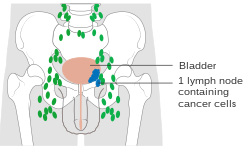
What is a cystoscopy?
It’s a diagnostic procedure (performed either under local anesthetic or general anesthesia) during which a doctor inserts a cystoscope (hollow tube) equipped with a lens into the urethra and further into the bladder.
This enables viewing of the urethra (through which urine flows out of your body) and the lining of the bladder.
“Symptoms of bladder cancer have varying presentations,” says Dr. Rice.
“Symptoms of UTI without documented infections should be worked up by a physician to rule out anatomical abnormalities, stones and cancers.”
For more information on the UTI Tracker, go to utitracker.com.
 Dana Rice, MD, is with Inova Medical Group in Fairfax, VA, and her clinical interests include bladder, kidney and prostate cancer, minimally invasive surgery and robotic surgery.
 Lorra Garrick has been covering medical, fitness and cybersecurity topics for many years, having written thousands of articles for print magazines and websites, including as a ghostwriter. She’s also a former ACE-certified personal trainer.
Top image: Shutterstock/Chinnapong
Source
seer.cancer.gov/statfacts/html/urinb.html

What You Should Do if Urine Is Splashed in Your Eye

Did you recently get someone else’s or even your own pee splashed in your eye?
This not only has a very high “yuck factor,” but the urine could also cause a stinging if it makes contact with your skin if you have any tiny open cuts or abrasions there. (more…)








Can Adderall Damage Your Vision?
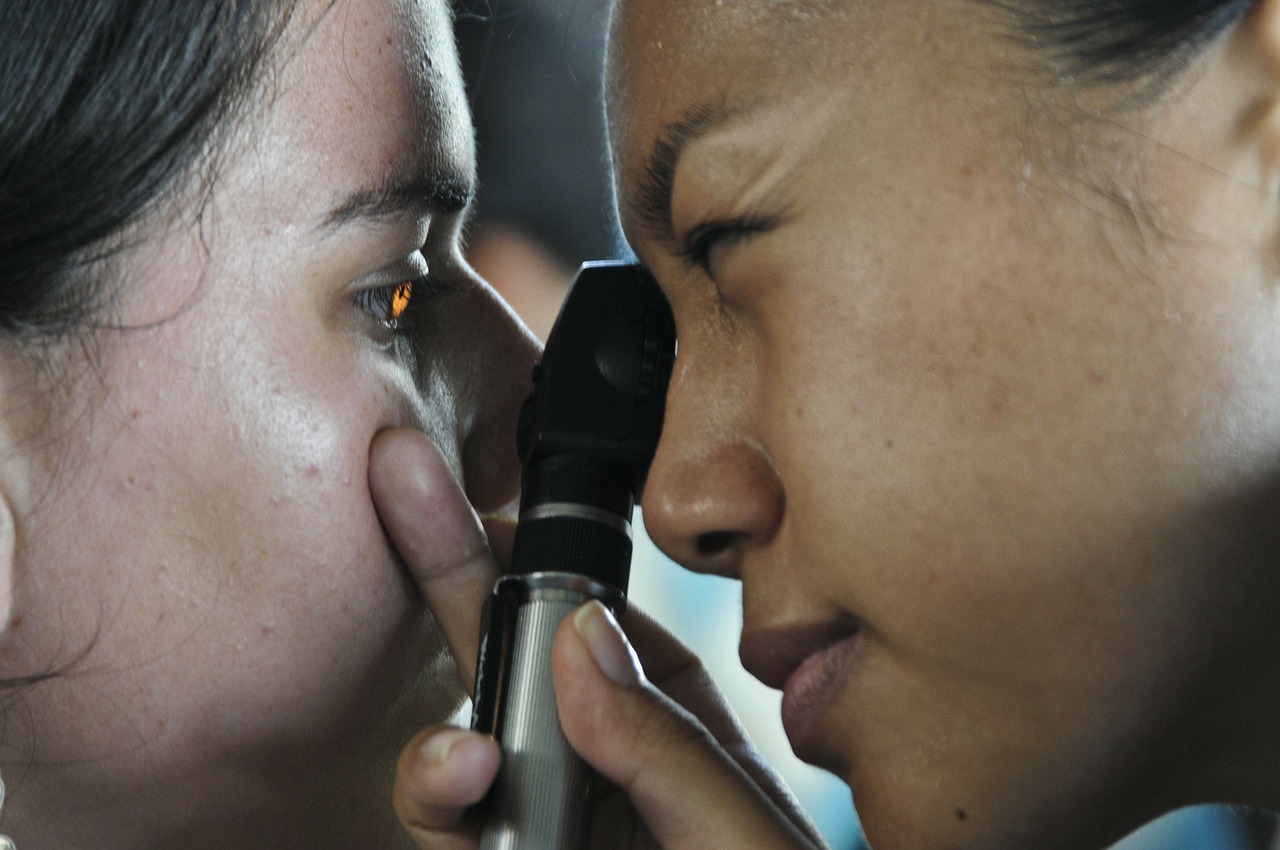
“Blurry vision is listed a possible side effect of Adderall which is the reason so many people are concerned,” says Dr. Brian Boxer Wachler, MD, eye surgeon and founder of The Boxer Wachler Vision Institute, and developer of the Holcomb C3-R® procedure which treats a degenerative eye disease.
“Adderall contains amphetamine, a stimulant, which can cause blurred vision, but typically is not serious,” says Dr. Boxer Wachler.
“This drug stimulates neurochemicals, like dopamine, to be released in the brain which is believed to be related to the cause of blurred vision when it occurs.”
Adderall helps ADHD symptoms by increasing levels of two key brain chemicals: dopamine and norepinephrine.
These neurotransmitters play a big role in attention, focus and impulse control, which are areas where people with ADHD often struggle the most.
By boosting these chemicals, Adderall helps the brain’s “signal-to-noise” ratio, making it easier to filter distractions and stay on task.
It also improves activity in the prefrontal cortex, the brain’s control center for planning and organization.
When taken as prescribed, Adderall can reduce hyperactivity, impulsiveness and forgetfulness.
But these benefits to those with ADHD do come with the possibility of many side effects, and unfortunately, vision can be affected.