Exercise vs. Vitamin D for Fall Prevention in the Elderly

Don’t be so quick yet to rely on only vitamin D to prevent falls in your elderly body; it’s crucial you get an exercise program started! (more…)

Chest Pain After Exercising? What Should You Do?

Chest pain after exercise, even though you felt fine during the workout, is cause for concern because it may be a heart problem. (more…)
What Is All that Crud Behind Your Lower Ear, Cancer ?

Discovering crud or crusty gunk behind your ear can be an unnerving experience, making you wonder if it’s skin cancer. (more…)
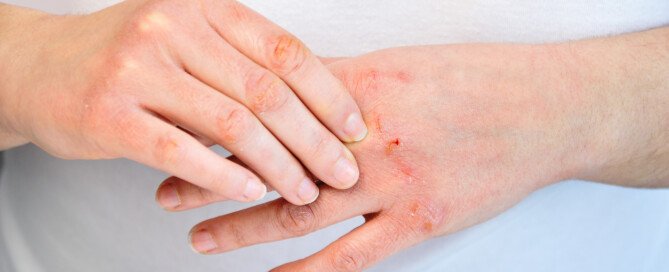
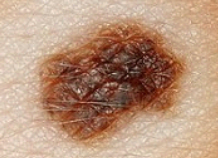
Can Skin Cancer Cause Skin to Peel?

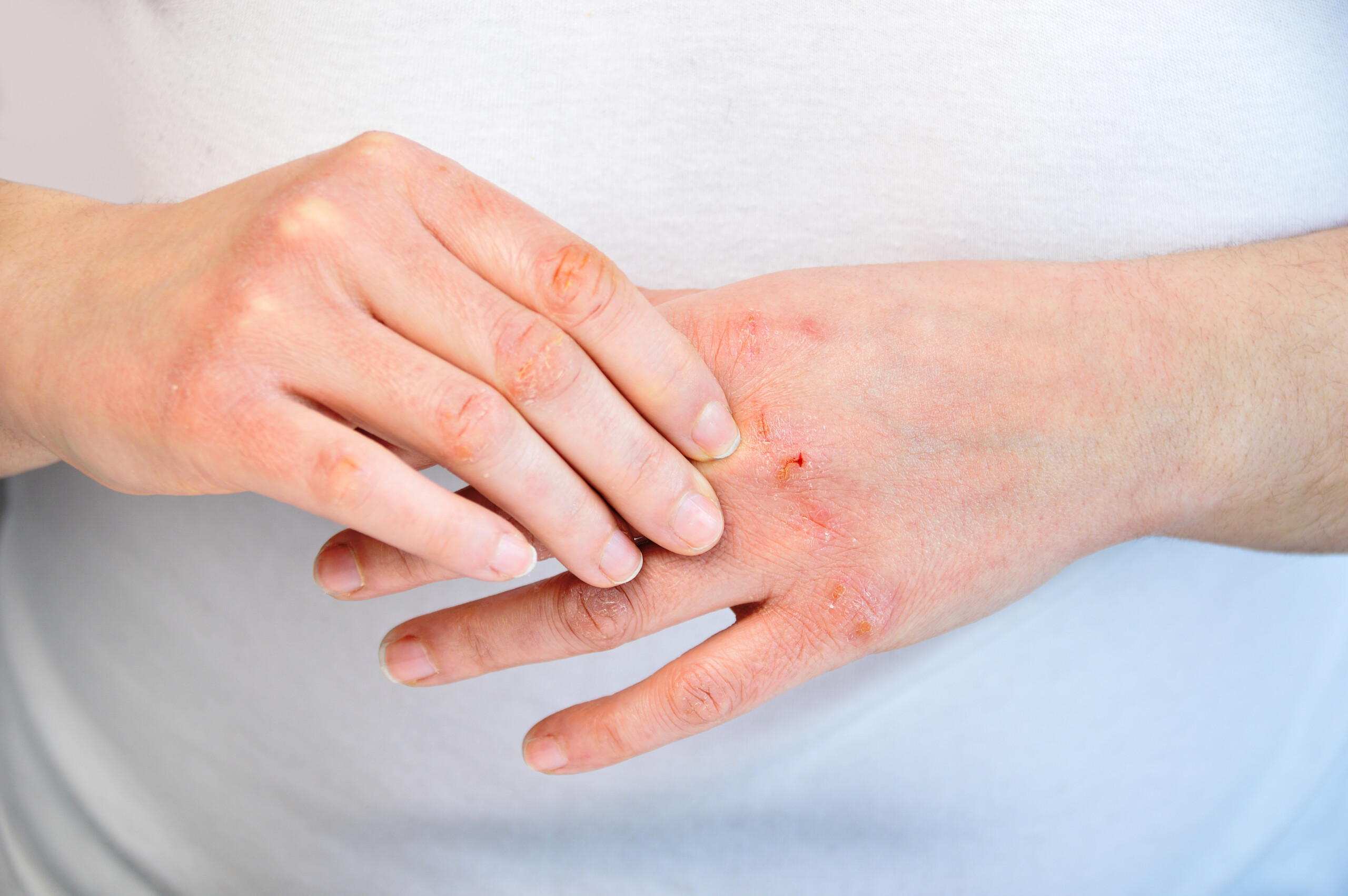
The good news is that the melanoma type of skin cancer does not cause peeling skin; the bad news is that other forms of cancer can cause peeling.
This includes a type of lymphoma. (more…)

5 Questions Never to Ask Someone with a Huge Pimple on Their Face

It’s unbelievable the questions that get asked of people who have a giant pimple on their face.
Now of course, young kids get a pass on this, as they have no so-called filter and are only being curious.
Young children don’t deserve to be penalized for asking blunt questions about someone’s acne.
The adult with acne can use the child’s curiosity as a learning experience for him or her — and matter of factly explain to the young one what’s going on.
But the rudest or most ignorant sounding questions come from adults – who are supposed to have a filter and much more common sense than what children have.
Sometimes, these questions are asked by strangers. That makes it even worse.
Sure, you — the recipient with acne — can fire back and ask the stranger why they’re missing hair on the top of their head or why their belly is hanging over their belt buckle.
But this article is for the adults who brazenly ask the rude questions or make the dopey comments.
If you’re standing in an elevator with one other person who has a huge pimple on their face, what could possibly compel you to ask this total stranger anything about the pimple?
Can anything be MORE unexciting and mundane to chat about? (Yes, we know, Kim Kardashian or Meghan Markle…).
If you encounter someone with a single giant pimple on their face, don’t say anything, and assume that they are highly self-conscious about it or are just plain fed up with the questions and comments.
Below are the worst offenders:
Does it hurt?
Did a bug bite you?
What’s on your face?
Did you know you have something on your face right there?
Have you ever used anything to get rid of it?
 Lorra Garrick has been covering medical, fitness and cybersecurity topics for many years, having written thousands of articles for print magazines and websites, including as a ghostwriter. She’s also a former ACE-certified personal trainer.
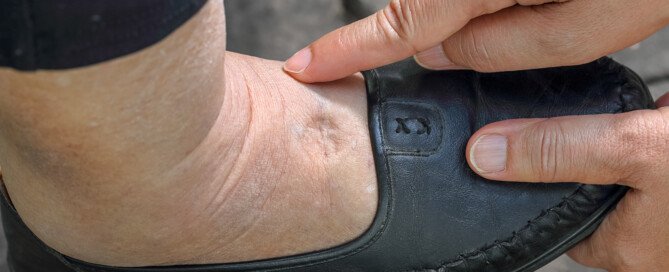
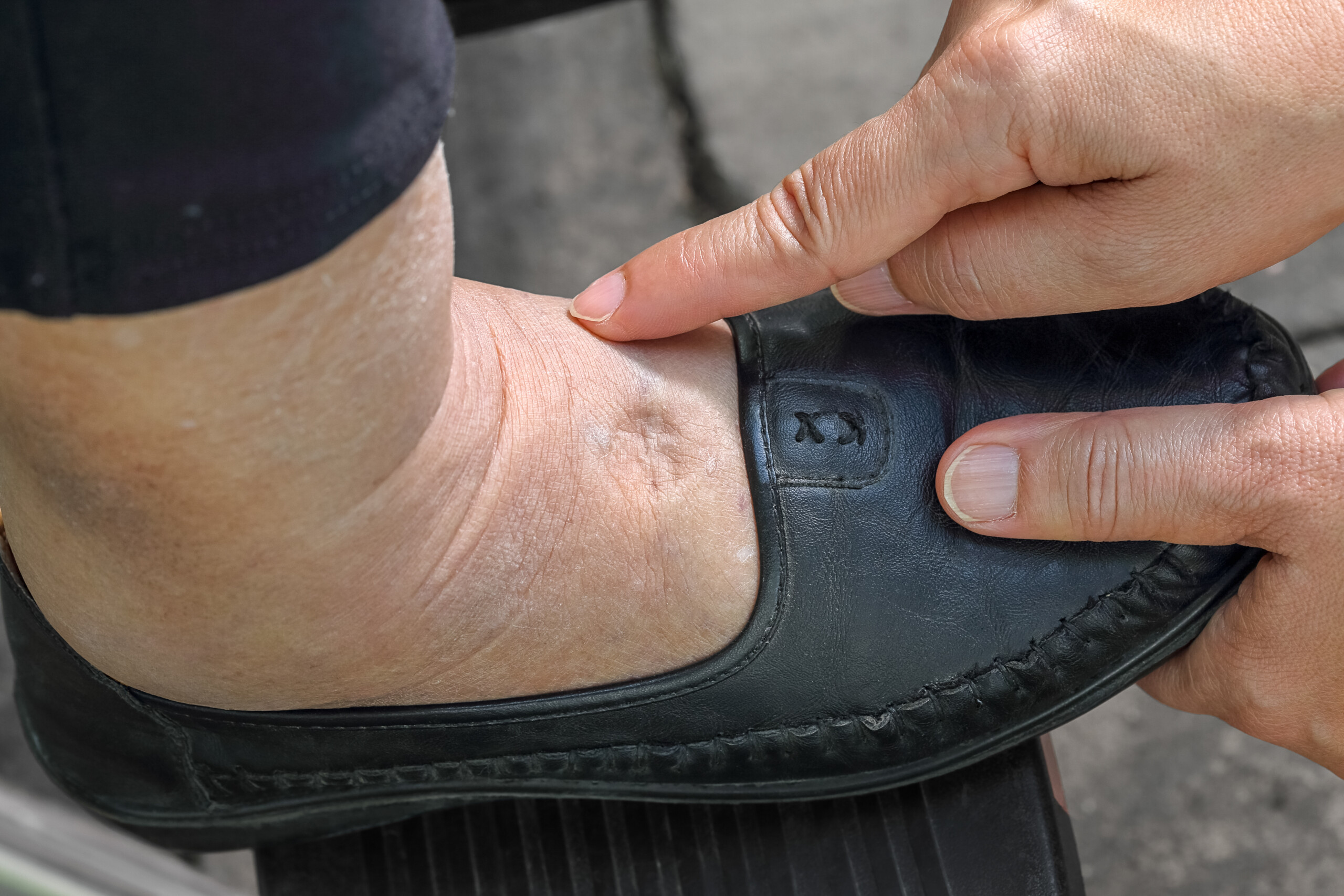
Is Sleeping with Regular Socks Bad for Edema in the Legs ?
If you have chronic lower leg edema from a medical condition, you probably already know how easy it is for socks to leave an impression in this area – and the impression sticks around for quite a while.
In fact, when impressions linger in the edematous area, this is called pitting edema.
Wearing Socks to Bed Despite Having Edema in the Lower Legs
“The elastic in regular socks isn’t enough to cause a serious problem, but if you already have edema, it can certainly ‘leave a mark’ (temporarily),” says Susan L. Besser, MD, with Mercy Medical Center, Baltimore, and Diplomate American Board of Obesity Medicine and board certified by the American Board of Family Medicine.
The medical condition that’s causing your edema will not be made worse by sleeping with regular socks.
Medical conditions that cause chronic lower extremity edema include congestive heart failure, emphysema, kidney disease, liver disease, lymphedema after cancer treatment and venous insufficiency.
If regular socks are the most comfortable way for you to sleep, then go ahead and wear them.
For many people, wearing clean socks to bed keeps the feet cozy and warm, and/or prevents them from feeling grimy, sticky and sweaty.
And partners will appreciate not feeling cold bare feet in the middle of the night — and may welcome those warm socks.
What’s more important is the adherence to your medication regimen, keeping hydrated, being conscious of your sodium intake and making sure that you do other things that your doctor wants you to do, depending on your medical condition.
This includes limiting junk food and eating more fresh vegetables and fruits, losing excess body weight and getting regular exercise.
At bedtime, go ahead and wear the socks to keep comfy while you sleep.
To help manage your edema, you should keep your legs elevated overnight as much as you comfortably can.
 Dr. Besser provides comprehensive family care, treating common and acute primary conditions like diabetes and hypertension. Her ongoing approach allows her the opportunity to provide accurate and critical diagnoses of more complex conditions and disorders.
Lorra Garrick has been covering medical, fitness and cybersecurity topics for many years, having written thousands of articles for print magazines and websites, including as a ghostwriter. She’s also a former ACE-certified personal trainer.
.
Top image: Shutterstock/Toa55
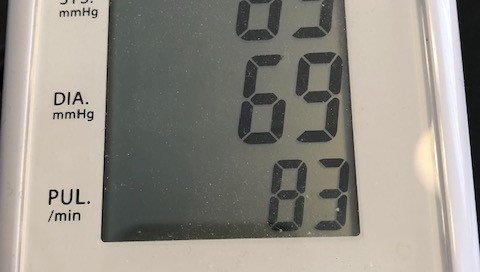
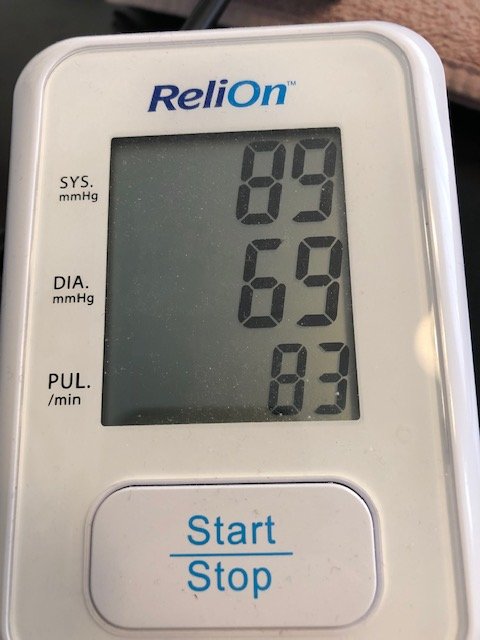
How to Take Blood Pressure with an Automated Machine
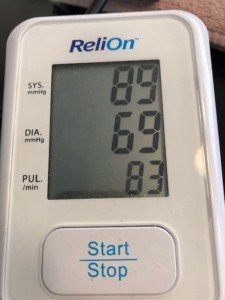
The automated blood pressure machine is so much easier to use than the device that requires you to use a pump.
An automated blood pressure device can indeed be accurate, but there are several things you need to know before you rely on its reading. (more…)
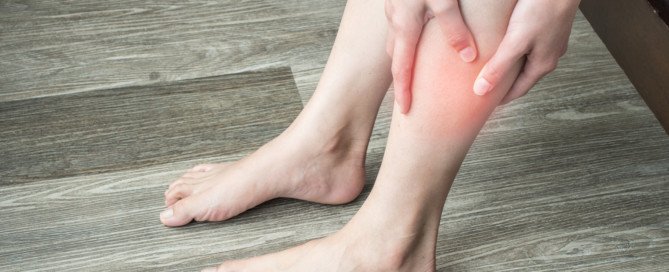
Feeling of Bruised Area on Leg but No Bruise: Should You Worry?
It feels like there’s a bruise on your leg, but when you look there, you see nothing unusual. Is this a cause for concern?
“That depends,” says Susan L. Besser, MD, with Mercy Medical Center, Baltimore, and Diplomate American Board of Obesity Medicine and board certified by the American Board of Family Medicine.
Dr. Besser explains, “If you remember injuring your leg recently, even if there is no visible bruise — it’s nothing to worry about.
“If the sore area has been there for several weeks, without improvement and you don’t remember an injury — you should check it out with your doctor.”
Not remembering an injury doesn’t mean there wasn’t one.
It’s quite easy to forget that you had bumped your leg into something recently.
Perhaps you hit your leg against a bedpost in the middle of the night on the way to the toilet.
Perhaps the sore bruised area is from something you did at the gym.
For example, gliding a barbell up and down the lower legs during the deadlift can cause visible bruising – even if your legs are covered.
If you feel bruised spots along your shins but don’t see anything unusual – and you’re an avid deadlifter – this very well could be caused by the barbell.
Do not keep pressing on the area to see if the sore feeling is still there.
Frequent pressing will make any area sore and will make it difficult to tell if the situation is improving.
Other Considerations
A bruised feeling in the leg without visible discoloration can result from muscle strain, tendon irritation or delayed onset muscle soreness (the infamous “DOMS”) after a hard workout.
Nerve compression, poor circulation or varicose veins may also produce tenderness.
Again, if this situation persists for two or three weeks, make an appointment with your doctor.
Dr. Besser provides comprehensive family care, treating common and acute primary conditions like diabetes and hypertension. Her ongoing approach allows her the opportunity to provide accurate and critical diagnoses of more complex conditions and disorders.
 Lorra Garrick has been covering medical, fitness and cybersecurity topics for many years, having written thousands of articles for print magazines and websites, including as a ghostwriter. She’s also a former ACE-certified personal trainer.
.
Top image: Shutterstock/Boyloso

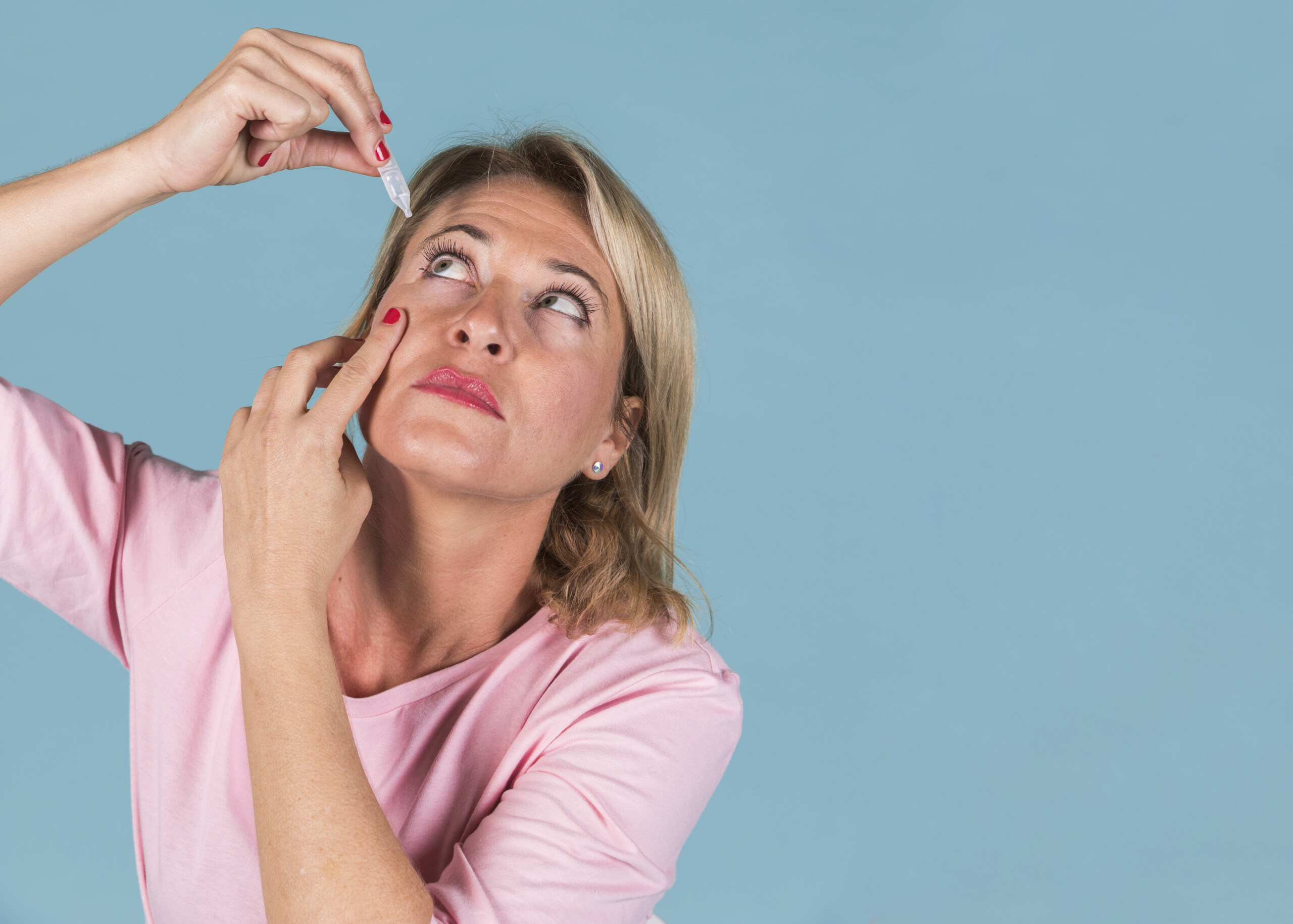
Cause of Eyelid Twitch After Putting in Eye Drops & Prevention

Does putting eye drops make your eyelid twitch? And does the twitching persist for quite a while after that?

What Kind of Cancer Causes Morning Diarrhea?

Can the sudden onset of diarrhea in the morning—especially ONLY in the morning—mean a certain kind of cancer?
Colon cancer, as well as ovarian cancer, are definitely known to cause diarrhea. (more…)