

Memory Loss, Non-Compliance after Hip Replacement Surgery

There could be a most surprising reason for a patient’s non-compliance and memory problems after hip or other surgery…
—and it’s not the anesthesia or painkiller drug side effects.
An elderly person has hip replacement surgery (or any operation for that matter), and after the postoperative delirium wears off, you find that he or she has short term memory issues and is non-compliant with orders from medical staff.
- Could this still be the anesthesia?
- Could it be just an exacerbation “from all the drugs” of the patient’s pre-surgical personality?
Could it be that the patient’s thyroid levels were knocked out of whack from the physical stress of the surgery?
THYROID?
My mother had already been diagnosed with hypothyroidism about six years prior to her total hip replacement surgery.
Back then, the symptoms blew in like a tropical storm immediately following minor knee surgery, and in retrospect, I realized that before that knee surgery, low thyroid symptoms were barely bubbling on the surface but not enough to grab anyone’s attention.
So now she has a hip replacement, and right away, I’m thinking that this assault on her body threw her thyroid out of whack—even though she’s already been taking Synthroid (her daily thyroid pill).
My thinking is that the physical stress of the hip replacement “desensitized” (for lack of a better term) her body to the effects of her usual Synthroid dose.
Well, I’m not a doctor or nurse, but several years ago I interviewed Dr. Ken Holtorf, a thyroidologist, about this very topic: that the stress of surgery could stress the thyroid and cause noticeable symptoms. He explains that yes, indeed, this CAN happen!
Non-Compliance, Short-Term Memory Loss After Hip Replacement
My mother’s non-compliance was alarming. I won’t go into detail, but suffice it to say, it had the family very worried.
The short-term memory loss was aggravating, and there was also impaired judgment.
Nurses and a doctor kept telling me this was the result of the general anesthesia (she suffered postoperative delirium).
We also attributed the issues to age related cognitive decline, and in fact, prior to surgery, this age related decline was already evident — there had been memory lapses and irrational thinking, but she was still functional.
At the rehab center, the memory problems and non-compliance were very obvious, and she was also sleeping too much and popping in and out of a depressed or easily anguished state. At least on one occasion my mother complained of being cold.
None of the nurses suspected her thyroid. This should have jumped out at them because they were giving her the Synthroid every morning.
But very few people, even medical personnel, realize that the stress of surgery could upset thyroid levels even in someone who’s already taking a thyroxin pill.
I was the only person who suspected this. In fact, prior to the hip replacement, I wondered about it, and planned on pushing for a thyroid blood test at some point after the surgery.
I spoke to the rehab center’s doctor about ordering this simple blood test, and he put the order in.
Two days later the results came back: My mother’s result was 10! It should not have been higher than 5.5.
(Low thyroid causes a high score, by the way; that’s just the way the labs do it). So 10 is high, when you consider that the value should not exceed 5.5.
Her Synthroid dose was immediately increased! This should improve her state of mind and reduce the desire to sleep so much.
Memory problems, non-compliance, irrational thinking, impaired judgement—and especially if combined with feeling cold and excessive sleep — these issues following a surgery could be, at least in part, explained by a stressed thyroid.
Push for the blood test! Don’t just attribute all of these problems to age related cognitive decline.
 Lorra Garrick has been covering medical, fitness and cybersecurity topics for many years, having written thousands of articles for print magazines and websites, including as a ghostwriter. She’s also a former ACE-certified personal trainer.
.
Top image: Shutterstock/ By pathdoc

Can Underactive Thyroid Symptoms Suddenly Escalate?

Surgery on someone with early low thyroid can kick symptoms into high gear following the operation.
Indeed, symptoms of hypothyroidism (low thyroid) can mosey on along for quite some time, then suddenly escalate out of seemingly nowhere, not just from surgery.
Underactive thyroid symptoms can suddenly blow in like an unexpected storm, escalating for no apparent reason.
The patient may have already been experiencing low thyroid symptoms for a number of months, in a subtle way that really didn’t attract any attention, or maybe a little attention, but certainly not to the point where any alarm bells went off.
And then suddenly, the person with underactive thyroid, who’s been quite functional all this time, rapidly deteriorates over a matter of days.
I asked Dr. Kent Holtorf, MD, if it’s common for the symptoms of hypothyroidism to escalate after a period of existing just below the radar.
“Yes, that is very common,” says Dr. Holtorf, thyroidologist and founder of Holtorf Medical Group in California.
“Often, people have low-level symptoms for years and are told everything is fine and then it escalates. This can be due to a viral infection or significant physiologic stress, which lowers thyroid levels.”
Depression can be caused by hypothyroidism.
For several months, my mother seemed a bit moody, but nobody thought anything of it, especially since it coincided with knee pain resulting from a fall at a bowling center.
Earlier that year she had endured the mental stress of my father’s total knee replacement.
Not long after he was just about independently functioning, my mother slipped at the bowling center.
For the next number of weeks the knee pain came and went. We went on vacation and a few times my mother had panic attacks where she was crying, thought she was dying and reported severe pain throughout her body.
After vacation she kept saying that the mysterious pain throughout her body was “connected” to the knee injury. She began losing her appetite, but was still fully functioning.
Finally, she had an MRI, which had been delayed because her physician kept insisting she didn’t need an MRI. The meniscus was torn and she scheduled arthroscopic knee surgery.
As the days approached she grew increasingly edgy and disgruntled, which was out of character because she had had two shoulder surgeries years prior with no preceding mood changes.
The morning of the knee surgery, all hell broke loose: My mother was sobbing and inconsolable, trembling, could barely walk (due to whole-body weakness.
She had always been able to walk decently with the knee problem), and kept fearing she’d die in surgery.
Immediately following the surgery I knew something was wrong. This wasn’t my mother.
Within 48 hours following the surgery, my mother sunk into a deep, dark hell of clinical depression.
And for the next six weeks, was disabled, exhibiting classic signs of severe depression: wanting to die, complete loss of appetite, multiple crying episodes a day, refusal to leave her bed, irrational thinking, and a “bonus” symptom: multiple panic attacks daily, where instead of wanting to die, she thought she was dying.
Cymbalta resurrected her, but other problems began appearing (such as severe constipation and excessive sleepiness, which we thought might be latent side effects from Cymbalta!), which ultimately led to a blood test that revealed the true culprit: hypothyroidism!
Suddenly, it hit me: In the months preceding the knee surgery, my mother often complained it was cold, even though the house temperature was 74 degrees.
I had noticed her hair loss, but attributed it to older age. Everything now made sense.
Her underactive thyroid had been there all along, but escalated due to the knee arthroscopy.
I asked Dr. Holtorf if this non-invasive surgery was sufficient to escalate a low-lying hypothyroidism. He said, “Yes, it is significant physiologic stress and can trigger.”
In other words, stress to the physical body can cause a pre-existing, and even clinically undetectable, hypothyroidism to escalate like mad.
The escalation with my mother’s hypothyroidism also included memory lapses, confusion and irrational thinking, which can all result from underactive thyroid.
Hypothyroidism isn’t just weight gain and fatigue (my mother lost weight due to loss of appetite from depression).
Hypothyroidism can cause a whole slew of symptoms, and they can lie virtually dormant (subtle, seemingly trite, such as tingling in the fingertips), and then escalate and masquerade as another medical condition, such as major depression.
However, major depression can have physical causes, and low thyroid is definitely one of them.
 Dr. Holtorf has published a number of endocrine reviews on complex topics in peer-reviewed journals on controversial diseases and treatments.
Lorra Garrick has been covering medical, fitness and cybersecurity topics for many years, having written thousands of articles for print magazines and websites, including as a ghostwriter. She’s also a former ACE-certified personal trainer.
.
Top image: Depositphotos.com

Can Chest Pain Be the Only Symptom of Arrhythmia?

Chest pain has many causes, and one of them is arrhythmia, which means an abnormal rhythm of the heart.
“Chest pain is rarely the only symptom of an arrhythmia — much more common are palpitations, shortness of breath and lightheadedness,” says Peter R. Kowey, MD, FACC, Professor of Medicine and Clinical Pharmacology, Jefferson Medical College; Chief, Division of Cardiovascular Diseases, Main Line Health System; and author of “Lethal Rhythm,” a medical mystery.
This doesn’t mean that if you’re experiencing chest pain along with some shortness of breath, and maybe also another symptom like what seems like skipped heartbeats . . . that you can safely assume that this is arrhythmia rather than an impending heart attack.
Problem is, the symptoms of an impending heart attack, and that of an arrhythmia, are strikingly similar.
Not only that, but just the two symptoms – chest pain and shortness of breath (or difficulty breathing) – can mean many possible medical conditions, including GERD (gastroesophageal reflux disease) and pulmonary embolism.
You cannot diagnose what chest pain and accompanying symptoms are at home.
If you’re experiencing these symptoms, a trip to the emergency room is warranted for a full evaluation to rule out a pending heart attack. Chest pain and shortness of breath can also mean a problem with a cardiac valve.
Dr. Kowey explains: “Most heart arrhythmias are not life-threatening, but certain arrhythmias can cause life-threatening complications such as stroke.
“The problem is that there are many different types of arrhythmias, some of which need little or no therapy and others more aggressive management, such as with surgery, catheter procedures or drugs. In addition, not all arrhythmias cause symptoms.”
Causes of Arrhythmia
- Emotional distress
- Side effects of medications
- Drug abuse
- Smoking
- Diabetes
- High blood pressure
- Coronary artery disease
- Heart attack
The risk factors for a disturbance in cardiac rhythm overlap the possible causes (such as coronary artery disease), and some of the risk factors lead to the causes, such as obstructive sleep apnea, obesity, and drinking too much alcohol, which can damage cardiac tissue.
Other risk factors include thyroid problems, caffeine and electrolyte imbalance. Amphetamines and cocaine can cause a deadly arrhythmia known as ventricular fibrillation.
Here are the symptoms of a heart arrhythmia: fainting or near-fainting episodes; dizziness; lightheadedness; a slow heartbeat; a fast heartbeat; a sensation of fluttering in the chest; and of course, chest pain and shortness of breath.
The perception of arrhythmia symptoms is not indicative of the severity of the problem.
Neither is the absence of symptoms, i.e., a life-threatening arrhythmia can present with minimal or mild symptoms, while less severe rhythm disturbances can interfere significantly with normal function.
Chest pain and difficulty breathing are two symptoms that should never be passed off as “just stress.”
Dr. Kowey explains, “It’s important to consult with a physician trained in the treatment of cardiac rhythm problems and to undergo a thorough evaluation that could include imaging of your heart and other diagnostic tests including electrophysiologic (catheter) studies.”
 Dr. Kowey’s principal area of interest is cardiac rhythm disturbances, and his group has participated in a large number of pivotal international clinical trials.
Lorra Garrick has been covering medical, fitness and cybersecurity topics for many years, having written thousands of articles for print magazines and websites, including as a ghostwriter. She’s also a former ACE-certified personal trainer.
.
Top image: Shutterstock/wavebreakmedia

Can You Lower Fast Resting Heart Rate without Exercise?

There are other ways to lower a fast resting heart rate besides exercise and meditation.
Suppose you’re healthy but your resting heart rate remains fast, despite regular exercise and attempts at stress management or meditation.
What can you do to bring down your resting heart rate?
“There are not too many good ways to reduce resting heart rate from stress without medication,” says Dr. Sameer Sayeed, a cardiologist at ColumbiaDoctors of Somers, NY.
“But one can try filling their office with pleasing pictures or imagery and look at it while working if possible; this has been shown to reduce high resting heart rate from stress.
“Avoiding excessive caffeine and nicotine can help.
“Slow breathing and more abdominal breathing or alternating nostril breathing has been somewhat effective but difficult to learn.”
You probably already know that consistent aerobic exercise will lower resting heart rate, and this lowering effect will also carry over to stressful times when the resting pulse soars — it will be sped up, but not as high as it would be if you didn’t exercise.
However, overtraining can cause a fast resting heart rate.
Make sure you’re not excessively exercising, though if you’re a competitive athlete, you have no choice but to train many hours per week.
What else can lower a fast resting pulse besides exercise and stress management?
“Adequate sleep will help combat higher RHR from stress,” says Dr. Sayeed. “Frequent bladder emptying also helps to reduce RHR and prevent as high a rise with stress.”
Supplements

“Fish oil tablets [or gelcaps] may have some effect on lowering RHR and preventing as high a rise with stress.”
Drugs
“Finally, the most effective way of reducing RHR with stress that is also beneficial and proven would be by prescribing the person a beta blocking or calcium channel blocking medication.”
Additional methods that might help lower a fast resting pulse is to increase water intake and also see what happens with a daily 81 mg. aspirin.
If you’re overweight, losing fat will help, depending on the level of overweight.

Dr. Sayeed performs echocardiograms and stress tests at the Midtown Manhattan and Westchester offices at Columbia Doctors. He is also trained in cardiac CT imaging.
 Lorra Garrick has been covering medical, fitness and cybersecurity topics for many years, having written thousands of articles for print magazines and websites, including as a ghostwriter. She’s also a former ACE-certified personal trainer.
.
Top image: Shutterstock/Chun photographer

Causes of Headache Every Day: Nerve Entrapment in Head, TMJ
Here are two causes of a chronic daily headache that should not be overlooked, but often are: nerve entrapment and TMJ disorder.
If you experience a headache more than 15 days a month, this is called a chronic daily headache (CDH), and can have numerous causes including a sinus issue (even without feelings of congestion or a runny nose).
However, a headache nearly every day can also be caused by the entrapment of some nerves located in the head – not deep in the head, but just beneath the skin, superficially.
For patients with this diagnosis, a doctor can surgically release the “entrapped” nerves, resulting in a significant improvement for the patient’s symptoms: fewer headaches, and when they do occur, they’re not as bad.
How is it determined if daily headache is caused by superficial nerve entrapment?
The doctor administers a nerve block or Botox injection. If the patient has temporary relief, then this indicates nerve entrapment.
TMD is a possible cause of chronic headache every day.
TMD stands for temporomandibular joint disorder, and laypeople usually refer to it as “TMJ.”
“Pain from temporomandibular disorders and pain from headache disorders often overlap in daily settings.” says Brijesh Chandwani, DMD, BDS, Diplomate, American Board of Orofacial Pain, with Connecticut & NY TMJ.
“Headache pain occurs when neurons from the trigeminal nerve are irritated or sensitized (at times it could be vagus or glossopharyngeal nerves).
“This disorder of the nerves (in headaches) is not exactly understood, but is thought to be related to inflammation, chemical stimulation, mechanical stimulation — or at times the nerves are irritated for no [known] reason.”
What exactly is TMJ disorder?
Dr. Chandwani explains, “TMD typically involves pain in the jaw and head muscles and pain in the jaw joint due to joint disease, muscle spasms, muscle dysfunctions or a disease process in the area.
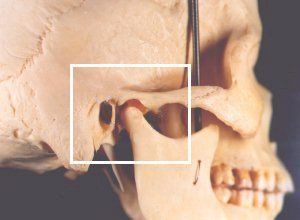
Jose Larena, CreativeCommons
“TMD also irritates the trigeminal nerve [fifth cranial nerve] — or irritation of the trigeminal nerve is present in people suffering from TMD. This can often trigger more headaches.”
TMJ Disorder Treatment
“Treatment of TMD often reduces these triggers and reduces the frequency of the headaches, but does not reduce the intensity of the headache which is due to neurogenic inflammation of the trigeminal nerve, vagus nerve or the glossopharyngeal nerve,” says Dr. Chandwani.
“Treatment of TMD can start at home with warm compresses over the jaw, temples for 10-15 minutes twice daily.”

Dr. Chandwani has 15+ years of experience focusing on TMJ disorders and sleep disorders.
Lorra Garrick has been covering medical, fitness and cybersecurity topics for many years, having written thousands of articles for print magazines and websites, including as a ghostwriter. She’s also a former ACE-certified personal trainer.
.
Top image: ©Lorra Garrick

How Common Is a Transient Ischemic Attack?

The number of people who have a transient ischemic attack every year is huge.
In Expert Review of Neurotherapeutics, three neurologists report that as many has 500,000 people in the United States every year experience a transient ischemic attack (TIA).
Another name for a TIA is a mini-stroke. A TIA is a harbinger or forerunner of a near-future massive stroke. A transient ischemic attack is a medical emergency.
What about incidence in the United Kingdom?
“This is not definitely known,” says Dr. David Beatty, MD, a UK-based retired general practitioner with 30+ years of experience and an instructor of general medicine for 20+ years.
“Many people will recover quickly and never seek medical help.”
This phenomenon is true anywhere, actually, since many people won’t even think, “Is this a TIA?” upon onset of the symptoms.
Many will just brush it off as stress, a side effect of a medication or a normal part of aging.
“Those who do see a doctor may not get a correct diagnosis,” continues Dr. Beatty.
“This is because a TIA may present in various ways.
“The classical case will have had clear limb weakness and perhaps a droopy mouth on one side of the face and speech difficulty.
“Many presentations, however, will be more vague.
“There might be dizziness, brief visual disturbance or an episode of confusion.
“Even if a patient goes to hospital they may have had a TIA — but all the tests can turn out normal.
“The estimated prevalence for a first TIA is 50 per 100,000 people per year,” says Dr. Beatty.
“There is a lot of guesswork involved in reaching this figure.”
Disastrous Fallout of a Transient Ischemic Attack

“After having a TIA there is a 12% chance of getting a stroke in the following year and a 7% chance each year after that,” says Dr. Beatty.
“The UK prevalence for a first stroke is 230 per 100,000 per year.
“There are about 80,000 hospital admissions due to stroke each year.
“Stroke is the biggest cause of adult disability.” This is true in the U.S. as well.
“The risk of a further stroke within the next five years is 26%.”
Stroke Around the Corner
In the U.S., the ERN report says that 10 to 15% of known TIA patients suffer a full-blown stroke within 90 days.
Out of these strokes, 40 percent will strike within 24 hours of the original transient ischemic attack.
The difference between a TIA and actual stroke is duration.
The causation and symptoms are the same, though in the TIA, the symptoms are temporary (transient).
A blood clot obstructs a vessel in the brain, blocking oxygen to the portion of the brain that the vessel feeds.
A transient ischemic attack is a medical emergency, even if the symptoms last only 30 seconds.
 Dr. Beatty has worked in primary medicine, surgery, accident and emergency, OBGYN, pediatrics and chronic disease management. He is the Doctor of Medicine for Strong Home Gym.
Lorra Garrick has been covering medical, fitness and cybersecurity topics for many years, having written thousands of articles for print magazines and websites, including as a ghostwriter. She’s also a former ACE-certified personal trainer.
Top image: Shutterstock/Natalie Board
Source: sciencedaily.com/releases/2013/02/130204184302.htm

Maybe Your “Black” Poops Are Actually Dark Dark Green

What you think are black stools may actually be very dark green, and here’s how this can happen.
Seeing black stools in the toilet can be scary, since this can bring to mind the “tarry black stools” that can result from colon cancer.
However, the appearance of black stools can be quite deceiving.
Recently I noticed that my stools were black.
Or were they? The BMs had sunk to the bottom of the toilet bowl. They were well-formed and like large pebbles.
With a spoon, I removed one and examined it close up, under the light at the sink. They were very dark green.
In poor light, BMs that are very dark green can appear off-black.
Just to be sure, I removed another one and inspected it close-up.
Viewing bowel movements that are at the bottom of a toilet bowl does not give you a fair chance to discern their color accurately.
When something’s under water, this can distort the actual color, especially when you can’t get your eyes close to the BMs when they’re at the bottom of the bowl.
In my case, the green had obviously come from the spinach I had consumed earlier in the day — I had juiced quite a bit of spinach (more than usual), enough to create a brilliant and solid green beverage—which I then turned dark crimson by tossing a beet into the juicer.
The addition of the beet probably darkened my stools, adding to the spinach’s effect.
It is well-known that spinach and beets can “darken” stools, making them appear black.
Here is what a physician says about benign causes of BMs that appear to be black:

Shutterstock/bitt24
“Common causes could include medications such as iron or Pepto Bismol,” says Michael Blume, MD, “as well as certain foods, such as spinach or beets.” Dr. Blume is a gastroenterologist at MedStar Good Samaritan Hospital, Baltimore.
Close-up inspection is key to seeing what color they actually are.
 In practice for 25+ years, Dr. Blume treats over 65 conditions including abdominal pain, appetite loss, blood in stool, celiac disease, colon cancer, esophageal and liver disease, gas and IBS.
Lorra Garrick has been covering medical, fitness and cybersecurity topics for many years, having written thousands of articles for print magazines and websites, including as a ghostwriter. She’s also a former ACE-certified personal trainer.
.
Top image: ©Lorra Garrick

High Risk Elderly, Bypass Surgery: Off-Pump or On-Pump?

Off pump coronary bypass surgery is the better option for high risk patients who need CABG.
“Age is less of a criteria than other risk factors,” says Michael Fiocco, MD, Chief of Open Heart Surgery at Union Memorial Hospital in Baltimore, Maryland, one of the nation’s top 50 heart hospitals.
“Patients with COPD, prior stroke, kidney dysfunction, and patients with atherosclerotic plaque in the ascending aorta are better served off pump.
“Healthy 80+ year-old patients do just as well with on pump.”
Elderly Sickly Better Off with Off Pump: Study
If a patient is high risk (e.g., elderly with other health ailments), and has been told they need coronary bypass surgery, it would be in their best interest to undergo off pump surgery rather than on pump, which requires the heart-lung machine.
This is the conclusion of a study out of Charles University in Prague, Czech Republic, lead by Jan Hlavicka, MD, a cardiothoracic surgeon.
The study looked at combined patient outcomes of heart attack, stroke, renal failure and all-cause death within 30 days of their operations.
The patients who’d received off pump surgeries had much better results.
The off pump group had a 9.2 percent rate of these negative outcomes, and the on-pump (heart-lung machine) patients had a 20.6 percent rate.
An issue with the heart-lung machine is that it requires clamping off and then un-clamping the aorta (the body’s biggest artery).
This raises the risk of blood clots. Of course, the heart-lung machine means that the patient’s heart has to be stopped, then restarted.
Dr. Hlavicka’s study was confined to only high-risk subjects, based on a scale called EuroSCORE.
The EuroSCORE predicts a person’s risk of dying during or soon following cardiac surgery.
Elderly with Serious Ailments Who Need Heart Bypass Surgery
Sick, elderly people who need heart bypass surgery should ask their health care provider about the off pump approach.
Keep in mind that this study didn’t extend beyond the first 30 days following bypass surgery.
A larger investigation is indicated, says the report.

Dr. Fiocco specializes in treating artery disease, valvular disease and aortic aneurysm. His heart care expertise has earned him recognition by Baltimore Magazine as a Top Doctor in 2010, 2011, 2013, 2016 and 2017.
Lorra Garrick has been covering medical, fitness and cybersecurity topics for many years, having written thousands of articles for print magazines and websites, including as a ghostwriter. She’s also a former ACE-certified personal trainer.
.
Source: sciencedaily.com/releases/2013/03/130312102549.htm

Is Spotting One Week Before Your Period Normal?

An OB/GYN discusses whether spotting a week before menstruation is abnormal or not.
This isn’t about spotting “between” periods, but rather, one week before the start of menstruation.
And there are different ways to “spot” one week before menstruation.
The spotting can occur one week before the period, but then not occur again till seven days later when a woman begins flowing.
Or, it can happen seven days prior, then skip a day, then occur again, then skip a day, or any combination of recurrences and skips.
It can also escalate, merging right into actual flowing.
But no matter how you slice it, Dr. Marlan Schwartz, MD, says, “This is abnormal. There are many reasons for this – both hormonal and structural (such as polyps, fibroids).”
If this happens rarely or not often, a woman can likely just be observant of the situation. This includes keeping documentation.
“If it is persistent, recurrent or bothersome, it should be evaluated and the cause should be diagnosed and addressed,” says Dr. Schwartz, FACOG, robotic surgeon with Lifeline Medical Associates.
Thinking that spotting a week or so before menstruation is common in the population?
“Just because something is common does not make it right,” says Dr. Schwartz.
“The cycle is a tightly controlled hormonal process, affected by other hormones (thyroid, for instance), physical stress, mental stress, physical activity, etc.,” continues Dr. Schwarz.
“When these things have a demonstrable effect on the hormonal cycle, one may experience irregular, frequent, absent, heavy, or any other effect on the cycle. These changes are, technically, abnormal.
“I will maintain that having a five day cycle surrounded by two or three days [of spotting] on either end, resulting in 10 or 12 bleeding days, is not normal.”
If you’ve been spotting a week prior to your period and/or continuing to spot brown discharge for several days after the fifth day — then discuss this with your gynecologist just to make sure that everything is okay.
And it definitely CAN be for many women, but it’s best to have your doctor confirm that after an exam.
 Dr. Schwartz is the past Chairman of the Department of Obstetrics and Gynecology at Robert Wood Johnson University Hospital-Somerset.
Lorra Garrick has been covering medical, fitness and cybersecurity topics for many years, having written thousands of articles for print magazines and websites, including as a ghostwriter. She’s also a former ACE-certified personal trainer.
.
Top image: Shutterstock/ Emily frost










How Fast Do Toddlers Really Move? Slower than You Think!

Illusions create the myth that toddlers “get away so fast” when a parent turns their back for a few seconds.
Every time a story surfaces of a lost toddler or preschooler, invariably the comments pour in about how fast young children “get away.”
But when an older child — who can clearly run a LOT faster than a preschooler and especially toddler, goes missing while on a shopping trip or at an amusement park, nobody says, “They get away so fast.”
The “They get away so fast” sentiment has always applied to toddlers and preschoolers.
Suppose a woman and her toddler are at the mall. She’s not holding his hand. She turns her back on him.
At that moment he wanders away. Three seconds later she turns and he’s gone—POOF!
The illusion is created that he “got away so fast.”
What really happened is that it took him only two seconds to wander around a kiosk, which, by the time the mother turns back around, is obscuring her view of him.
She has no idea which direction he went. There are people and multiple entrances to nearby stores. She panics and randomly chooses to enter the nearest store.
Or, she may frantically head off in a randomly selected direction, weaving in and out of people.
While she’s doing this, she’s getting further away from her toddler, who’s also moving.
He may even be moving quite slowly, dawdling and poking around, while she hurries, creating an increasing distance between the two.
A woman at the grocery store turns her back on her four-year-old for “just a few seconds,” then turns back around and the little girl has vanished.
The girl, at a normal pace, needed only a few seconds to walk to the end of the aisle and make a left turn.
Her mother dashes to the end of the aisle, and by this time, the girl is wandering slowly down the next aisle over to the left.
But the mother turns right and looks down the next aisle to the right and sees no child.
She then returns to the aisle she was in, then goes past it to the next aisle — the aisle that her preschooler had been meandering down just moments before.
But the preschooler is nowhere in sight, because enough time has lapsed by this point for the girl to now be one more aisle over to the left — which would actually be to the girl’s right once she got to the opposite end of the aisle.
The mother runs down the aisle her child skipped down, but turns left!
Hopefully you can now understand how these problems in perception and reaction have nothing to do with the speed of a young child’s legs.
“I think this concept refers to how fallible our sense of time can be,” says Dr. Tia Kern-Butler, a licensed psychologist for over 20 years who treats a broad range of issues including relationship problems and behavioral issues of children and adolescents.
“What seems like five seconds to one person may seem like 10 to another. When our attention is focused elsewhere we may not truly realize just how long we were distracted.
“The common example of how far a car going 60 mph travels when you glance down at your phone for five seconds is a good reminder of this. The answer is the length of a football field!
“One would never describe having traveled that far in that perceived length of time, or likely even that it felt like five seconds.”
When a Third Party Witnesses a Toddler Getting Away
Certainly, you’ve witnessed toddlers and preschoolers wandering away from their parents in public.
How fast does the wandering child actually go? Have they ever bolted into a blurry sprint?
Or had they just slowly wandered off while Mama isn’t looking?
The parent then turns around and is startled that the child has gone missing!
She collects the child from around a corner and exclaims, “My little one gets away so fast!”
But from YOUR point of view, the child moved slowly. Again, the issue is perception.
 Currently in private practice Dr. Kern-Butler spent 10 years as the lead child and adolescent psychologist with Winter Haven Hospital and served as the mental health liaison for the Children’s Advocacy Center for 14 years.
Professionalpsychologyofpinellas.com/about-me
Lorra Garrick has been covering medical, fitness and cybersecurity topics for many years, having written thousands of articles for print magazines and websites, including as a ghostwriter. She’s also a former ACE-certified personal trainer.
.