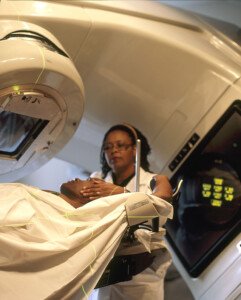
About one in five people worldwide will develop cancer. This disease is mankind’s greatest war against. How many people do you know who’ve had cancer?
The number of new cancer cases could rise to 34 million a year by 2050.
This data comes from researchers at the American Cancer Society and the International Agency for Research on Cancer, part of the World Health Organization.
Their analysis used GLOBOCAN 2024 estimates covering 34 cancer types and 186 countries.
Almost half of cancer deaths may be avoidable through changes in risk factors.
Early detection and prompt treatment could prevent additional deaths.
Cancer Risk Is Uneven Around the World
Though seemingly cancer can strike anyone, and there are those who believe “when it’s your time, it’s your time,” we must also consider that cancer cases are globally uneven. This includes death rate, commonality and type of cancer.
The report reveals that Australia and New Zealand had the highest cancer incidence rates, while some areas of Africa and South-Central Asia had the lowest.
Regional incidence differed by about four to five times.
Mortality rates varied less, but the differences remained significant.
Men in Eastern Europe had some of the highest cancer death rates, while women in Melanesia had the highest rates among women.
Lung Cancer Leads Worldwide
Lung cancer was the world’s most commonly diagnosed cancer and the leading cause of cancer death in 2024.
The disease caused 1.9 million deaths, or 19% of cancer deaths worldwide. Tobacco use remains its main cause.
Breast cancer ranked second for worldwide diagnoses, with about 2.4 million cases and 694,000 deaths. It was the most common cancer among women.
Survival, however, varies sharply. Women in Western Africa were twice as likely to die from breast cancer as women in Australia and New Zealand, despite having about half the incidence.
Unequal access to diagnosis and treatment helps explain the difference.
Other Major Cancers
Colorectal cancer ranked third for new cases and second for cancer deaths, with more than 2 million diagnoses and 918,000 deaths.
Liver cancer caused 843,000 new cases and 732,000 deaths, making it the third leading cause of cancer mortality.
Prostate cancer was the second most diagnosed cancer among men and fourth for cancer deaths overall.
There were about 1.5 million cases and 420,000 deaths. Mortality was particularly high in the Caribbean and sub-Saharan Africa.
Stomach cancer produced about 980,000 cases and 642,000 deaths.
It ranked fifth for both incidence and mortality, with especially high rates in Eastern Asia.
Cervical cancer remains a major preventable cause of death despite HPV vaccination and screening.
It is the leading cancer killer of women in 26 countries, mostly in sub-Saharan Africa and parts of Central and South America.
Pancreatic cancer ranked 11th for incidence but sixth for mortality, causing 491,000 deaths.
Thyroid cancer accounted for 959,000 new cases, making it the sixth most diagnosed cancer.
Prevention Could Reduce Cancer Deaths
The paper urges a reduction in tobacco use, the prevention of infections related to cancer, avoidance of liquor, maintenance of a healthy body weight and an increase in exercise.
Better screening, earlier diagnosis and timely access to effective treatment could prevent additional deaths, particularly in regions where healthcare access remains limited.