

The idea that long frequent workouts are necessary to get a summer body makes many people abandon the idea.
But several studies over the last 20 years suggest you may not need nearly as much exercise as previously assumed.
The message is that short workouts should not be underestimated for changing your body.
Researchers say just 30 minutes of intense exercise spread across an entire week can improve overall health. That breaks down to only a few minutes per day.
Does this sound too good to be true? Well, keep in mind though, that the “catch” is that those minutes must be intense.
One minute of intentional movement may seem meaningless — until that movement becomes squat jumps or burpees.
- The key is not the amount of time.
- It is how hard you are working.
Experts say the activity should be intense enough that you become clearly short of breath.
A simple test is whether talking is difficult after the exercise stops.
You should still be able to say a few words, but carrying on a conversation comfortably should feel challenging. If someone wants to speak with you, you should be like, “Give me a moment to catch my breath.
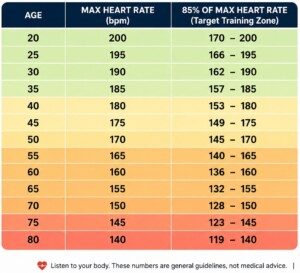
People who use heart rate monitors are generally encouraged to aim for around 85 percent of their maximum heart rate during those harder bursts of activity.
Why Cardio Fitness Is So Important
According to researchers at the Norwegian University of Science and Technology (NTNU), one of the biggest reasons people skip exercise is lack of time — or what they perceive to be lack of time.
Certainly, these same individuals would have no problem making the time to search their backyard for buried $20 bills if they were told the cash was buried in shallow clumps throughout the yard.
The issue isn’t always time. However, knowing that only a few minutes here and there can still count as valuable exercise has great appeal to many men and women who want to get into shape for summer.
Ulrik Wisløff, a professor at NTNU and leader of the Cardiac Exercise Research Group, says short high intensity workouts can solve the time problem.
Researchers say cardiovascular fitness is one of the strongest indicators of long term health.
Better cardio fitness has been linked to lower risks for dozens of chronic illnesses and a reduced risk of early death.
CERG researchers first highlighted these findings in a major 2006 study involving around 60,000 people. Since then, similar results have been reported in multiple countries.
Is One Long Workout Enough?
Some people wonder if they can simply do one hard 30 minute workout each week and get the same benefits.
Researchers say spreading exercise sessions across several days appears to work better.
Wisløff says intense exercise creates short term improvements in blood pressure and blood sugar control that can last for up to two days.
Because of that, dividing workouts across the week may provide more consistent health benefits.
Experts generally recommend fitting intense activity into two to four days each week if possible.
The Ability to Do High Intensity Workouts
High intensity exercise sounds intimidating to some people, but researchers say the definition depends on your current fitness level.
For someone who is out of shape, even a fast paced walk may be enough to raise heart rate and breathing significantly.
As fitness improves, intensity can gradually increase. You can do this by holding hand weights when walking; inserting stepping drills on benches throught a walk in the park; or walking on hills. Tossing in some fast running spikes will also do quite well.
* 45 seconds of hard effort followed by 15 seconds of slow walking or pedaling
* Tabata style intervals using 20 second bursts with 10 second breaks of stepping in place
You Can’t Skip Workouts to “Bank” Exercise
Skipping workouts for a week and trying to make up for it later is not ideal because both cardio fitness and strength can decline fairly quickly without regular activity, especially with age.
Furthermore, don’t think in terms of just cardio; strength training is also crucial.
You can’t get that summer body look without strength training, which “recompositions” the body by increasing lean toned muscle and shedding fat.
Exercise Benefits the Brain Too
Studies strongly suggest exercise can help stimulate the growth of new brain cells while supporting cognitive function over time.
It also delays age related brain shrinkage.
Needless to say, structured workouts are nature’s antidepressant.