
Stroke is the No. 1 cause of disability in the U.S. It has many risk factors including an unhealthy diet.
Women who follow a Mediterranean-style diet may face a lower risk of stroke, according to research.
It’s important to note that the study doesn’t prove the diet directly prevents stroke. Instead, it shows an association between dietary habits and stroke outcomes over time.
Researchers tracked stroke rates among women who closely followed a Mediterranean way of eating.
They observed fewer strokes overall, including both ischemic and hemorrhagic types. See below for the difference between these two types of strokes.
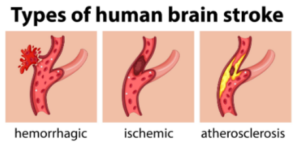
Credit: vecteezy
Ischemic strokes, the most common kind, happen when blood flow to part of the brain is blocked by a clot.
Hemorrhagic strokes occur when a blood vessel ruptures, causing bleeding in the brain. This is typically caused by a pre-existing aneurysm or bulging area of the vessel.
What Makes the Mediterranean Diet
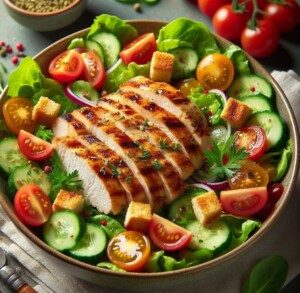
The Mediterranean diet emphasizes vegetables, fruits, legumes and fish, paired with healthy fats like olive oil. But there’s more to this.
These types of foods need to come in whole or minimally processed form. Your body knows the difference between sodium-laden vegetables in a can and vegetables plucked fresh from the produce department.
Fruits are on this list; this means a whole apple is much better than commercially produced apple sauce with added sugar.
Fish means cuts of fish from a butcher as opposed to part of a frozen dinner in a box that you microwave.
The Mediterranean diet limits foods such as red meat, dairy products and items high in saturated fat.
There aren’t studies that specifically examine the difference between grain-fed red meat and grass-fed red meat in the Mediterranean diet.
However, most people eat conventional meats, including deli and “luncheon” style, or in packaged form, and these are usually grain-fed. Deli and luncheon meats are highly processed.
If you’re going to eat red meat, at least get it from the butcher and choose grass-fed.
What makes this study particularly interesting is that the diet’s association extended to hemorrhagic strokes, a type that few large studies have examined.
Following Over 100,000 Women
The study included 105,614 women, all without a history of stroke at the start. The average age was 53.
Each participant completed a detailed diet questionnaire at the beginning. Researchers scored diets from zero to nine based on adherence to Mediterranean diet guidelines.
Participants earned points for eating more than average amounts of whole grains, fruits, vegetables, legumes, olive oil and fish.
They also earned points for moderate (as opposed to heavy) alcohol intake and for eating less red meat and dairy.
About 30% of women scored six to nine — the highest group. Around 13% scored zero to two, the lowest group.
Stroke Outcomes Over Two Decades
Participants were followed for an average of 21 years. During that time, researchers recorded 4,083 strokes: 3,358 ischemic and 725 hemorrhagic.
In the highest diet score group, there were 1,058 ischemic strokes and 211 hemorrhagic strokes.
In the lowest group, there were 395 ischemic strokes and 91 hemorrhagic strokes.
Even after adjusting for other risk factors like smoking, physical activity and high blood pressure, the researchers found that the differences remained significant.
- Women with the highest Mediterranean diet scores were 18% less likely to experience any stroke than those in the lowest scoring group.
- The risk of ischemic stroke was 16% lower, and hemorrhagic stroke risk was 25% lower.
More studies are needed to confirm these findings and to better understand how diet affects stroke risk.
Study Limitations
One limitation is that the dietary information was self-reported. This means some participants may not have remembered or recorded their eating habits accurately, which could affect the results.
In fact, many people actually believe their highly processed food intake falls under the category of “healthy.”
Adding olive oil to white rice doesn’t quite make the grade for the Mediterranean diet. Eating breaded fish sticks from a box doesn’t cut it, either.
The study was published Neurology Open Access (2026).
