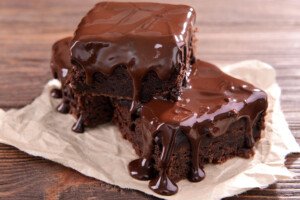
A study showed that young men who sniffed chocolate before performing a weightlifting set did noticeably better.
Was this a coincidence? Or does chocolate hold more power than given credit for?
Research suggests that simply smelling chocolate before and during resistance exercise could help people perform more repetitions without making the workout feel harder.
The study, published in Frontiers in Physiology in 2026, involved 23 healthy, moderately trained men in their early to mid-20s.
Chocolate Aroma and Exercise Performance
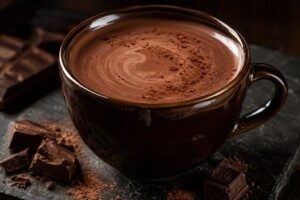
Researchers divided the participants into three groups. Each group smelled either liquefied dark chocolate containing 90% cocoa, liquefied milk chocolate containing 60% cocoa, or water as a control.
The men had not eaten for at least 10 hours before exercising.
They then performed leg extensions, which involve straightening the lower legs against resistance while seated.
Researchers recorded exercise performance and also asked participants about hunger, fullness, desire to eat, and their intention to eat soon.
During the workout, participants were exposed to their assigned scent for 30 seconds between sets.
Dark Chocolate Had the Strongest Appetite Effect
The two chocolate smells produced different responses.
The dark chocolate aroma was associated with less hunger, a lower desire to eat, and greater feelings of fullness compared with both water and milk chocolate.
Milk chocolate smelled more pleasant to participants than dark chocolate or water. However, it didn’t significantly change their hunger or appetite.
The chocolate scents also appeared to affect exercise performance.
Participants exposed to the 90% dark chocolate scent completed about 18 additional leg-extension repetitions compared with the water condition.
The 60% milk chocolate scent was associated with about nine additional repetitions.
Importantly, the participants did not report that the extra work felt more difficult.
Why Could Smelling Chocolate Help?
Researchers believe the effect could involve learned associations between food smells and eating.
People repeatedly encounter food aromas before consuming food.
Over time, those smells can become cues that cause the brain and body to anticipate eating.
That anticipation might influence hunger, fullness, and other physical responses even before food reaches the stomach.
The researchers suggest that dark chocolate’s rich and bitter aroma may act as a cue associated with a filling food.
Milk chocolate, meanwhile, may work more through its pleasant, rewarding qualities.
The study raises the possibility that anticipating food can produce some responses similar to those caused by actually eating.
Study Limitations
The explanation remains uncertain because the researchers did not measure blood hormones or brain activity.
Therefore, the study cannot establish which biological mechanisms produced the changes in appetite and exercise performance.
There were other limitations. The chocolate aromas may not have been equally intense, and using odorless water as the control may have allowed participants to recognize which condition they were experiencing.
The study was also quite small and included only young, healthy, moderately trained men.
The findings may not apply in the same way to women, older adults, untrained people or athletes.
Could Other Food Aromas Have Similar Effects?
It’s also unclear whether chocolate itself is responsible for the exercise boost.
The researchers noted that chocolate has particularly strong associations with reward, but other familiar foods might potentially produce similar effects.
It is not yet known whether different aromas would affect strength, endurance, or other types of exercise in the same way.
A food smell may need to be familiar and appealing to create the psychological response involved.
For now, the findings are preliminary. They suggest that something as simple as a familiar food aroma could influence both appetite and exercise performance, but larger studies are needed to determine whether the effect holds up in other groups and under different exercise conditions.