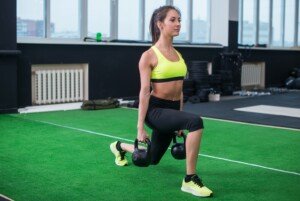
Even small amounts of resistance training can build strength, increase muscle size, improve power and support overall physical function.
The updated guidance comes from the American College of Sports Medicine (ACSM).
It’s based on 137 systematic reviews involving more than 30,000 participants, making it the most comprehensive and evidence-based set of resistance training recommendations so far.
The most important thing is that of working all major muscle groups at least twice a week.
That is more significant for your body than is trying to follow a complicated or “perfect” program.
Whether you’re using barbells, resistance bands or just your bodyweight, effort and consistency are what really drive results.

Bodyweight-only exercise for the upper body: the dip. Freepik
Researchers say the update reflects a huge increase in studies on muscle health, aging and strength training.
The last ACSM Position Stand on resistance training for healthy adults came out in 2009, before a major wave of new research on how strength affects long-term health.
The new document captures that growth in evidence and expands the recommendations to include more people and more types of training than previous guidelines.
One of the clearest takeaways is that the biggest gains often come from simply getting started.
Moving from no strength training to doing it regularly can lead to meaningful improvements in strength and overall health. It can make you look less flabby and more toned and fit.
Another key point in the new recommendations is that you don’t need a gym membership to see results.
Exercises with resistance bands, bodyweight movements or simple at-home workouts can still produce noticeable improvements in strength, muscle size and daily function.
The research shows that a wide variety of training styles can work.
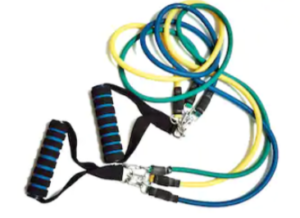
A set of resistance bands
Highly trained athletes may still need specialized, sport-specific strength programs.
But for the average adult, the advice is straightforward: Choose a resistance training routine that fits your lifestyle and stick with it — even if you “blow” your diet.
Over time, that consistency is what leads to stronger muscles, better physical function and healthier aging.
The full ACSM Position Stand is published in the journal Medicine & Science in Sports & Exercise (2026).