We need to do away with TikTok and Instagram rhetoric that “there’s no such thing as good and bad food.” There sure is.
Ultra-processed food is bad because it hurts the heart. How can something that damages the heart not be bad?
A big U.S. study shows that people who eat the most ultra-processed foods face a 47% higher risk of heart attack or stroke.
What Are Ultra-Processed Foods?
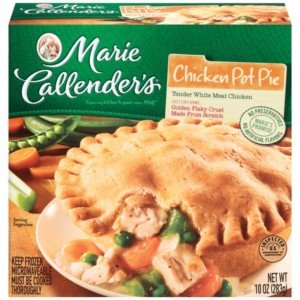
Take a look at the picture above if you want to see a good example. Never mind the “made from scratch” marketing for this particular pot pie.
The mile long ingredients list of chemical-sounding names tells the truth.
Ultra-processed foods, or UPFs, are basically industrial products that have been heavily altered.
They typically contain added sugars, bad fats, starches, plenty of sodium and chemicals like emulsifiers.
What should come to mind here are packaged meats, microwavable foods and pretty much anything in the baked goods section of a grocery store. Most cereals are also included.
During processing, most of the natural nutrients get stripped away, leaving foods that are very different from what they originally were.
Many of the ingredients in UPFs are subtances that our bodies have not evolved on. They are very recent in the history of mankind.
Right now, heavily processed foods make up about 60% of the average adult diet in the U.S. and roughly 70% of kids’ diets.
The convenience of these foods is irresistable. Plus, let’s admit it: Some taste really great and provide much comfort to stressed people.
Bad for Health = Foods that Are Bad
Maybe we should “moralize” foods that are harmful to the heart. A bag of caramel nuggets is bad. An apple is good.
Past studies have linked high UPF intake to metabolic syndrome. That includes obesity, high blood pressure, abnormal cholesterol and insulin resistance.
Heavy consumption of ultra-processed foods is also tied to higher levels of high sensitivity C-reactive protein, a marker of inflammation that strongly predicts cardiovascular disease.
What the Study Found
Researchers at Florida Atlantic University’s Charles E. Schmidt College of Medicine looked at data from the U.S. National Health and Nutrition Examination Survey (NHANES).
Their work, published in The American Journal of Medicine, points to serious heart health consequences from high UPF intake.
The paper explains that the study was based on a nationally representative smaple of 4,787 U.S. adults. Those with the highest intake of “junk” food had a 47% greater risk of cardiovascular disease.
How Researchers Did the Study
The team analyzed NHANES data collected from 4,787 adults 18 and older between 2021 and 2023.
Participants provided at least one day of detailed dietary records and reported whether they’d had a heart attack or stroke.
Researchers calculated the percentage of each person’s calories coming from ultra-processed foods over two days.
Then, using a validated food classification system, participants were divided into four groups based on UPF intake, from lowest to highest.
Cardiovascular disease in the study meant a self-reported history of heart attack or stroke. Researchers adjusted for age, sex, race, smoking and income. The average participant was 55 and 55.9% were women.
After adjustments, those in the highest UPF group had a 47% higher risk of cardiovascular disease compared to those in the lowest group — a statistically significant and clinically meaningful difference.
Links to Colorectal Cancer and Other Diseases
The research also points to rising colorectal cancer rates, especially in younger adults. Risk factors for colon cancer often overlap with those for heart disease, including diet.
One overlap that’s modifiable, other than switching to a healthy way of eating, is that of exercise.
However, you know that saying: “You can’t out-train a bad diet.” So in addition to making exercise a part of your life, you absolutely must make efforts to limit UPFs or even outright eliminate them.