

Don’t think for a second that the typical patient with sleep apnea is a fat man with a thick neck.
Thin young women can be diagnosed with this often misdiagnosed and very common condition.
In fact, it’s estimated that 25 percent of the population has obstructive sleep apnea, and that millions of people go through life having no idea that they have this condition.
Even kids can have obstructive sleep apnea.
Causes are plenty and not always tied to body weight or age.
Causes of this common and under-diagnosed condition include drinking alcohol before bedtime, smoking, large tonsils, large adenoids, a big tongue base, naturally excess throat tissue, a small jaw and a narrow airway.
And of course, obesity and a short thick neck are major risk factors as well.
Obstructive sleep apnea is strongly linked to serious illnesses including heart disease, high blood pressure and stroke.
In addition, “People with sleep apnea are more likely to develop insulin resistance even if not overweight,” says Daniel Rifkin, MD, a sleep medicine expert at the Sleep Medicine Centers of Western New York.
“With this condition, cells don’t respond as well to the hormone insulin, which can lead to type 2 diabetes.
“Sleep apnea can cause decreased oxygen to the optic nerve, which can result in nerve damage.” This can then lead to glaucoma.
“Sleep apnea has been linked to fatty liver disease,” continues Dr. Rifkin. “The severity of the liver disease often corresponds with the severity of the sleep apnea.
“A lot goes on in the brain during sleep. One of those things is the consolidation of memories. With apnea-interrupted sleep, you may have memory problems.”
Untreated sleep apnea mimics other conditions including ADHD, age related cognitive decline, tension headaches and stress.
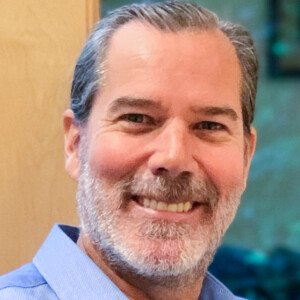 Dr. Rifkin is board certified in both neurology and sleep medicine. He also treats insomnia, RLS and narcolepsy.
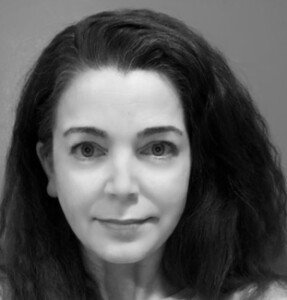 Lorra Garrick has been covering medical, fitness and cybersecurity topics for many years, having written thousands of articles for print magazines and websites, including as a ghostwriter. She’s also a former ACE-certified personal trainer.