

Stronger, Tighter Abdominal Muscles with 3 Core Routines

For tighter and stronger abs, do the following core exercise routines for these muscles.
Not only are these great ab routines, but it’s very important to follow these instructions so that you have the correct form.
Bad form, while performing ab exercises, will sabotage your attempts at getting stronger, tighter abdominal muscles. (more…)

Numbness on ONE Side of the Nose: Causes Include Tumor

Numbness on one side of your nose is an alarming symptom if you have no idea why it’s there, such as a recent blow to the nose or cosmetic surgery (rhinoplasty).
This post doesn’t focus on global or even-sided numbness, but numbness on one side (unilateral) of the nose. Oddball symptoms like this often make people suspect a tumor. (more…)

Can Listening to Live Band Music Damage Your Hearing?

Don’t people realize that sitting on the deck of some bar & grill to listen to the live band music will damage their hearing?
The people who do this tend to do it on a regular basis, and it’s that cumulative exposure that puts them at high risk for permanently dulled hearing. (more…)

Does All that Sitting on a Stationary Bike Flatten Your Booty?

All that time pedaling on a stationary bike, your butt pressing hard into the seat, makes you wonder if over time this can flatter your booty.
It certainly seems that way, based on just how your butt feels even after one hard session on a stationary bike. (more…)

How Cautious Should MEN Be Meeting Online Woman in Person?

Don’t think for a second that just because you’re a man that it’s safe for you to meet that online hot babe in person!
You may end up as dead as a door nail. (more…)

Can a TIA Cause Temporary One-Ear Tinnitus (Ringing)?
Ever get a sudden ringing tone in one ear, along with temporary hearing loss, and wonder if this is a transient ischemic attack?
A TIA can cause numerous sudden-onset symptoms. (more…)

How Is Hearing Loss Detected if Exams Only Go Up to 8,000 Hz?

Hearing loss typically begins at frequencies that are much higher than what a hearing test detects.
You could be losing hearing at higher frequencies without this being detected on a routine test. (more…)

Egg Yolks vs. Cereal for a Heart Healthy Breakfast: Which Wins?

Does the “incredible edible egg” beat out cereal when it comes to a heart healthy breakfast?
After all, cereal has been relentlessly marketed as a healthy breakfast food since the 1950s.
Millions of stay-at-home mothers were suckered into believing that something that was poured out of a box—after being made at a huge manufacturing plant—was the best thing you could give your child for breakfast.
And of course, there’s been more than enough cereal ads targeted at adults, such as adult male athletes and women wanting to lose weight.
“Part of this nutritious breakfast” is the mantra of cereal commercials.
Relatively late in the TV commercial game has been ads for eggs, touting their nutritional value.
While some people have BOTH eggs and cereal for breakfast, let’s look at whole eggs vs. cereal when it comes to heart health.
Which is better for your heart: whole eggs or the “healthiest” cereal?
There are a few ways to look at this. First, from the standpoint of nature vs. processed food, the egg wins.
This assumes that the whole eggs don’t have flour and sausage added to them for an omelet.
That old saying, “If it wasn’t around 50,000 years ago, don’t eat it,” rings true here. In nature, carnivores and omnivores eat eggs. They are 100% unprocessed.
But eggs contain cholesterol, right?
“Gone are the days when we blamed egg yolks for high cholesterol,” says Shana Spence, MS, RDN, CDN, a registered dietitian nutritionist based in New York.
“We now know through research and study that high cholesterol is due to saturated fat.
“Egg yolks contain important vitamins and minerals [all in their natural state!] such as calcium, iron, phosphorus, zinc, folate, vitamin B12, choline as well as vitamins A, D, E and K, and essential fatty acids [which are good for the heart].
“Whew! Eggs in general are also a healthy protein option that will leave you feeling full and satiated.”
- Two whole eggs contain two grams of sugar.
- A bowl of some types of cereal may contain as many grams of sugar as a candy bar.
“Cereals can be tricky, but if you look for the right option, they can be a great breakfast option,” says Spence.
The second consideration, then, is the type of cereal. Some are loaded with added sugar, plus unnatural colorings and flavorings.

Freepik.com
A third issue with cereal is the deceptive nutrition information label.
The sugar content for a “serving size” may not seem that bad, till you read that a “serving size” may be as small as three-quarters cup. What adult eats only three-quarters cup of cereal?
How many people stop pouring the cereal when it reaches the tiny “serving size” amount that’s on the nutrition label?
Pour your favorite cereal into a measuring cup—three-fourths way. Is that how much cereal you pour into your bowl for breakfast?
Two whole eggs contain two grams of natural carbohydrate. Your heart won’t mind.
But all the added sugar from cereals—even the high fiber cereals—are of the refined type, which promotes inflammation throughout the body.
Egg Yolks or Cereal for Breakfast?
Certainly, if cereal is one of your favorite breakfast foods, keep eating it.
But know that it’s not bad for your heart to sometimes replace cereal with whole eggs.
Furthermore, if you’ve been eating sugary, highly processed types of cereal, you may want to rethink this if you’re conscious of heart health.
“The number one choice I opt for is oatmeal…homemade, not pre-packaged,” says Spence.
“Oats are great because they contain a ton of fiber that will help fill you up and keep your gut nice and healthy.
“They are also versatile because overnight oats can be made the night before for an easy grab and go.
“If oatmeal is not for you, read the labels and look for whole grains such as wheat, barley, buckwheat, millet and quinoa.
“These grains are some of the healthiest and also contain the most fiber. Try to avoid anything corn or rice based which will not fill you up as much.
“When in doubt, check the nutrition label and make sure that whole grain is listed first in the ingredients.”
But even then, you should continue reading the ingredients to see if sugar is third or fourth on the list. This may still mean a whopping amount of sugar for a “serving size.”
Spence adds, “So overall, when choosing a heart healthy breakfast, opt for something that is high in fiber and protein but low in saturated fat.
“Both cereal and egg (yolks) are a great option, but you still need to pair them correctly.
“Have some whole wheat toast or fruit with your eggs for fiber and have some Greek yogurt with your cereal for added protein.”
 Shana Spence of The Nutrition Tea is committed to providing trending information and nutrition facts covering a wide range including nutrition for heart disease and diabetes, pediatric nutrition and healthful lifestyles.
 Lorra Garrick has been covering medical, fitness and cybersecurity topics for many years, having written thousands of articles for print magazines and websites, including as a ghostwriter. She’s also a former ACE-certified personal trainer.

Melanoma Diagnosed within Minutes without a Biopsy

No, this is not a suspicion of melanoma based on looking at the skin with a dermatoscope, but actual DIAGNOSIS via a special laser microscope.
This groundbreaking technology is called multiphoton microscopy. (more…)









Negative Side Effects of Lemon Water: Hype or Truth?

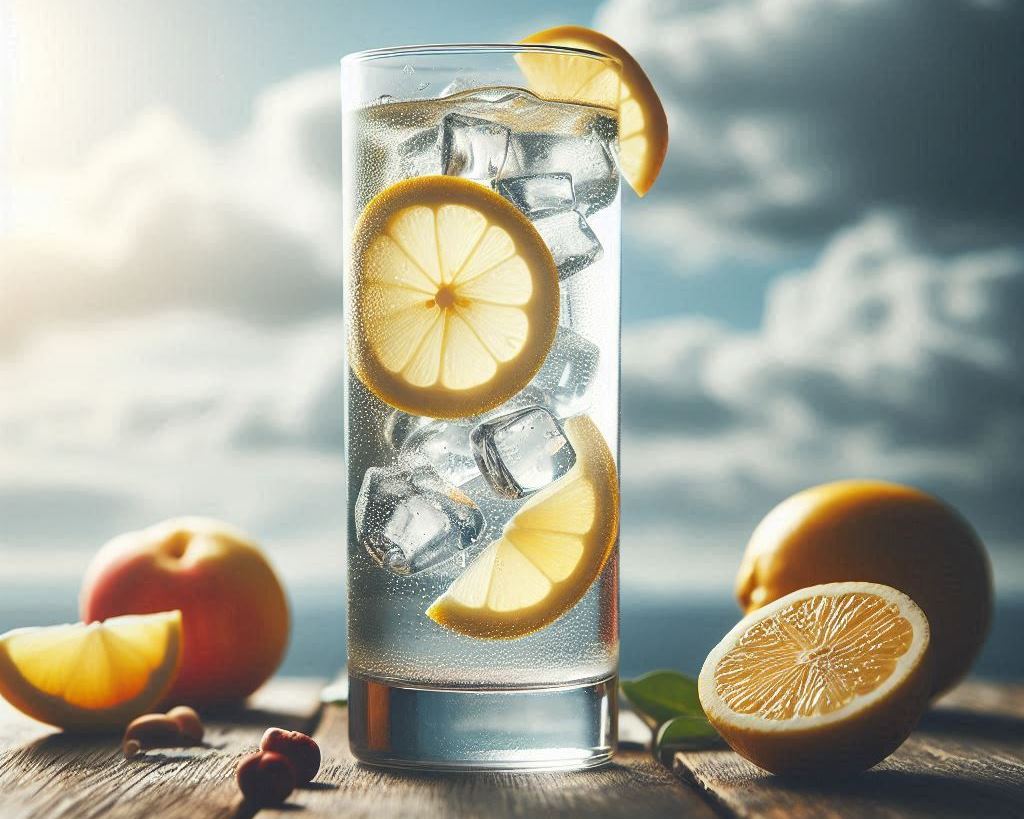
It’s beginning to sound a lot more like myth rather than truth that lemon in your water can actually cause negative side effects.
One online article on lemon water actually suggests that you consult with a doctor before drinking lemon water!
Since when should lemon water be treated as a pharmaceutical such that we should consult with a doctor before drinking it?
Many restaurants put lemon wedges in their water. Why would you need to get a doctor’s approval to consume this water?
Sounds like the idea of lemon water producing bad side effects is hype.
Kids have been guzzling lemonade for generations without getting sick from it.
But now suddenly, “lemon water” can cause bad side effects?
Just what are these alleged side effects? According to some online articles, they are as follows:
Tooth Erosion
Does this also mean that drinking a lot of orange juice—with its acid content—can cause the same effect? What about eating grapefruit?
To set things straight, ask your dentist if lemon water is a real threat to tooth enamel.
Heartburn
According to livestrong.com, drinking “too much lemon with water” (and “too much” is not defined) can trigger heartburn.
The article then says that heartburn occurs due to an impaired esophageal sphincter allowing stomach acid to reflux up into the esophagus. But this is a structural/mechanical issue.
If your heartburn is eliminated only when you stop drinking lemon water, then that’s very telling.
Otherwise, there’s no need to pre-emptively give up lemon water or lemonade out of fear of getting heartburn.
Frequent Urination
The vitamin C in lemon juice may have a diuretic effect. And supposedly, “large amounts of lemon juice” in water may cause you to feel dehydrated.
Large amounts of plain water will cause frequent urination. Water in large amounts will do this, plain or with juice added.
Fascinating Observation
• The three online articles I read about “side effects of lemon water” were obviously from the same source.
• Whether two of the articles were a spun version of the third, or all three articles were spun versions of a fourth article out there somewhere, I don’t know.
• But I wonder just how many versions of the same “side effects” article are floating around in cyberspace, creating the illusion that negative side effects from lemon water is more truth than hype.
“I haven’t really heard about negative side effects of lemon water,” says Shana Spence, MS, RDN, CDN, a registered dietitian nutritionist based in New York.
Spence thus did some online research and found the following:
“There are more health benefits than there are negative,” she says. “Overall, lemons are a good source of vitamin C, which is great for our immune systems. It also can help with digestion, which is why some people choose this as their go-to drink in the mornings.
As for side effects, lemons do contain citric acid which can erode tooth enamel. I really only see this as an issue if you have sensitive teeth or if you’re not practicing oral hygiene.
“Another side effect might be heartburn, as lemons are extremely acidic. But, that side effect was only noted for some people in studies.
“Honestly, I don’t think there is much concern over lemon water. Everyone’s body reacts differently to foods because we all have varying pH levels.
“But my advice is, if you find that lemon water isn’t working, then don’t drink it. There are many other options for flavored water.”
Benefits of Lemon Water or Homemade Lemonade Sweetened with Stevia

Freepik.com
• The refreshing taste encourages you to get in your daily quota of water.
• Helps get that vitamin C into your body, and vitamin C is important for so many bodily functions.
• Can aid in weight loss; lemons are mildly thermogenic.
• Can help prevent kidney stones.
Shana Spence of The Nutrition Tea is committed to providing trending information and nutrition facts covering a wide range including nutrition for heart disease and diabetes, pediatric nutrition and healthful lifestyles.
Lorra Garrick has been covering medical, fitness and cybersecurity topics for many years, having written thousands of articles for print magazines and websites, including as a ghostwriter. She’s also a former ACE-certified personal trainer.
.