
Ringing in Ears During Weightlifting: Causes & Solutions

If you’ve noticed that your ears go into ringing mode only when you lift weights, there’s a pretty good reason for this.
First of all, the ringing or annoying tone inside your ears is called tinnitus. (more…)

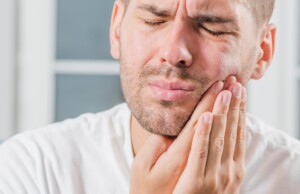
Can TMJ Disorder Cause a Stuck Feeling in the Throat?

Lots of things can cause a stuck feeling in the throat, but can TMJ disorder be one of them?
A persistent stuck feeling in the throat is one of the most annoying symptoms, and usually it has a benign cause such as acid reflux or anxiety.
For other individuals, the feeling of a stuck lump in the throat is a source of fear — fear of throat cancer.
Temporomandibular Joint Disorder
“Inflammation of the TMJ can cause an imbalance in the muscles that are used for swallowing and therefore pain in the throat,” says Dr. Idan Snapir, DDS, of the Dental Smile Center in Van Nuys, CA.
Dr. Snapir continues, “For example, the action (contraction) of the medial pterygoid is closure of the mandible. Like in the act of swallowing — spasm of the medial pterygoid muscle can cause elevated TMJ pressures.
“So, if this muscle is shortened due to a TMJ issue, that may cause a stuck feeling or sore throat sensation.”
Solutions to Stuck Feeling in Throat from TMJ Disorder
Dr. Snapir advises “stretching exercises for TMJ and swallowing muscles, soft diet, avoid chewing gum.”
Stretching Exercise #1
• While the jaws are relaxed (and never when they are tensed), keep your mouth closed.
• Next, slide your jaw to the left while you are looking to the right to achieve a deep stretch.
• Finally, slide your jaw to the right and look to the left.
Stretching Exercise #2
• Again, make sure that your jaws are relaxed first. This is important.
• Open your mouth gently but as wide as you can.
• Do not open beyond what feels natural, even though your aiming to open very wide.
• Keep your mouth open this way for a few seconds.
• Close gently.
Do both these exercises twice a day when you know you won’t be distracted or interrupted.
See if they don’t reduce or even eliminate the sensation that there is something stuck in your throat.
Another condition that can cause that annoying feeling of a lump in your throat is Eagle’s syndrome.
 For many years Dr. Snapir has promoted dental health, treated TMJ disorder, created beautiful smiles and improved the overall well-being of thousands of patients. He will customize the best possible treatment plan for every patient.
 Lorra Garrick has been covering medical, fitness and cybersecurity topics for many years, having written thousands of articles for print magazines and websites, including as a ghostwriter. She’s also a former ACE-certified personal trainer.
.
Top image: ©Lorra Garrick

Can TMJ Disorder Cause Sleep Apnea or Make It Worse?
Have you been diagnosed with both TMJ disorder and sleep apnea and are wondering if the TMJ problem is causing or aggravating your sleep apnea? (more…)
Can the Removal of Wisdom Teeth Cause Sneezing?

What’s going on when, after having your wisdom teeth removed, you’re suddenly sneezing – and a lot?
Is this just a coincidence on the timeline or is there something about the extraction of wisdom teeth that causes sneezing? (more…)
Sandal Wearing Guidelines for People with Diabetes

If you have diabetes and are wondering if you should not wear sandals, there is definitely something you must first do before you take to wearing sandals.
And that is to see a doctor.
“If a diabetic has neuropathy and/or peripheral vascular disease, then sandals and open toed shoes are to be avoided,” says Peter D. Highlander, DPM, Reconstructive Foot & Ankle Surgeon, Director, Wound Reconstruction Center, The Bellevue Hospital, Bellevue OH.
This includes sandals and open toed footwear that are flat.
“If a person is unsure if they have neuropathy or PVD, then they should make an appointment with their local podiatrist [foot doctor],” advises Dr. Highlander.
Neuropathy from Diabetes
Many diabetics have or will develop peripheral neuropathy.
This condition is characterized by the inability to feel pain from a foot sore or injury such as a cut or laceration.
Wearing sandals means an increased risk of foot or toe injury – for obvious reasons.
What might be an innocuous scratch to a nondiabetic can turn out to be a nightmare for the person with diabetes — either type 1 or type 2.
And people who don’t have diabetic neuropathy or any other issues with their sensory nerves will immediately know when there is an injury or skin tear – and treat it.
If they don’t treat it and it becomes infected, they will surely feel this and then treat it.
The diabetic may miss this opportunity that’s triggered by sensory nerves.
Left untreated (because neuropathy blunts pain), a sore or cut can become infected, then become gangrenous and require amputation of part of the foot or even the leg.
PVD
Peripheral vascular disease is hardening of the arteries in the legs/feet. PVD can cause many symptoms including painful walking, for which sandals would not be a smart idea for obvious reasons.
However, PVD can also result in sores in the feet or toes that won’t heal.
In summary, if your feet are at risk for sustaining unhealed wounds or injuries, you just should not wear sandals – even on the hottest days.
 Dr. Highlander provides advanced treatment and prevention options for lower extremity wounds with a special interest in deformity correction and soft tissue coverage for non-healing wounds.
Lorra Garrick has been covering medical, fitness and cybersecurity topics for many years, having written thousands of articles for print magazines and websites, including as a ghostwriter. She’s also a former ACE-certified personal trainer.
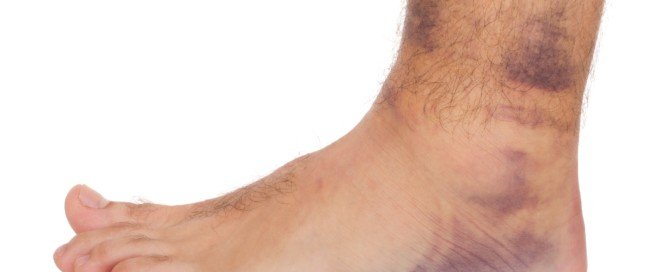
How a Diabetic Should Treat a Sprained Ankle
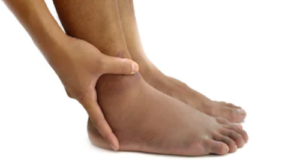
Diabetes can be a game changer when it comes to the treatment of a sprained ankle.
But many diabetics do not realize just what could happen if they have a certain condition that diabetes often causes. (more…)
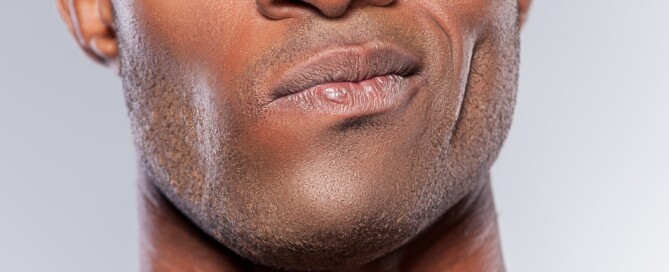
Can Muscle Twitching Be Caused by TMJ Disorder?

Muscle twitching that occurs around the area of your jaw, mouth and chin can be quite frightening. (more…)

Can Bulimia Cause TMJ Disorder or a Protruding Jaw?

If you have bulimia nervosa, perhaps you’re wondering if this eating disorder might cause temporomandibular joint disorder (TMJ disorder), since forced vomiting may occur very frequently, sometimes multiple times a day. (more…)
Can a Drooping Eyelid Be Caused by TMJ Disorder?

An eyelid that’s suddenly drooping can be frightening to anyone who knows that a brain aneurysm can cause this, but can TMJ disorder also cause this unnerving symptom? (more…)





Can Acute Liver Damage from Heart Failure Cause Ascites?
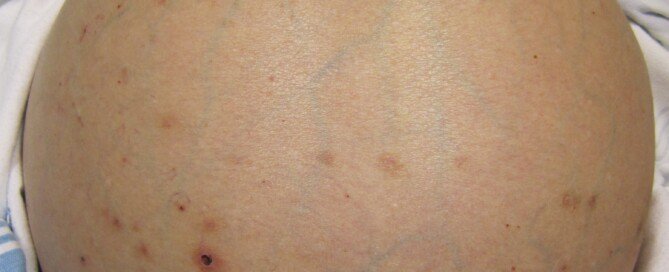
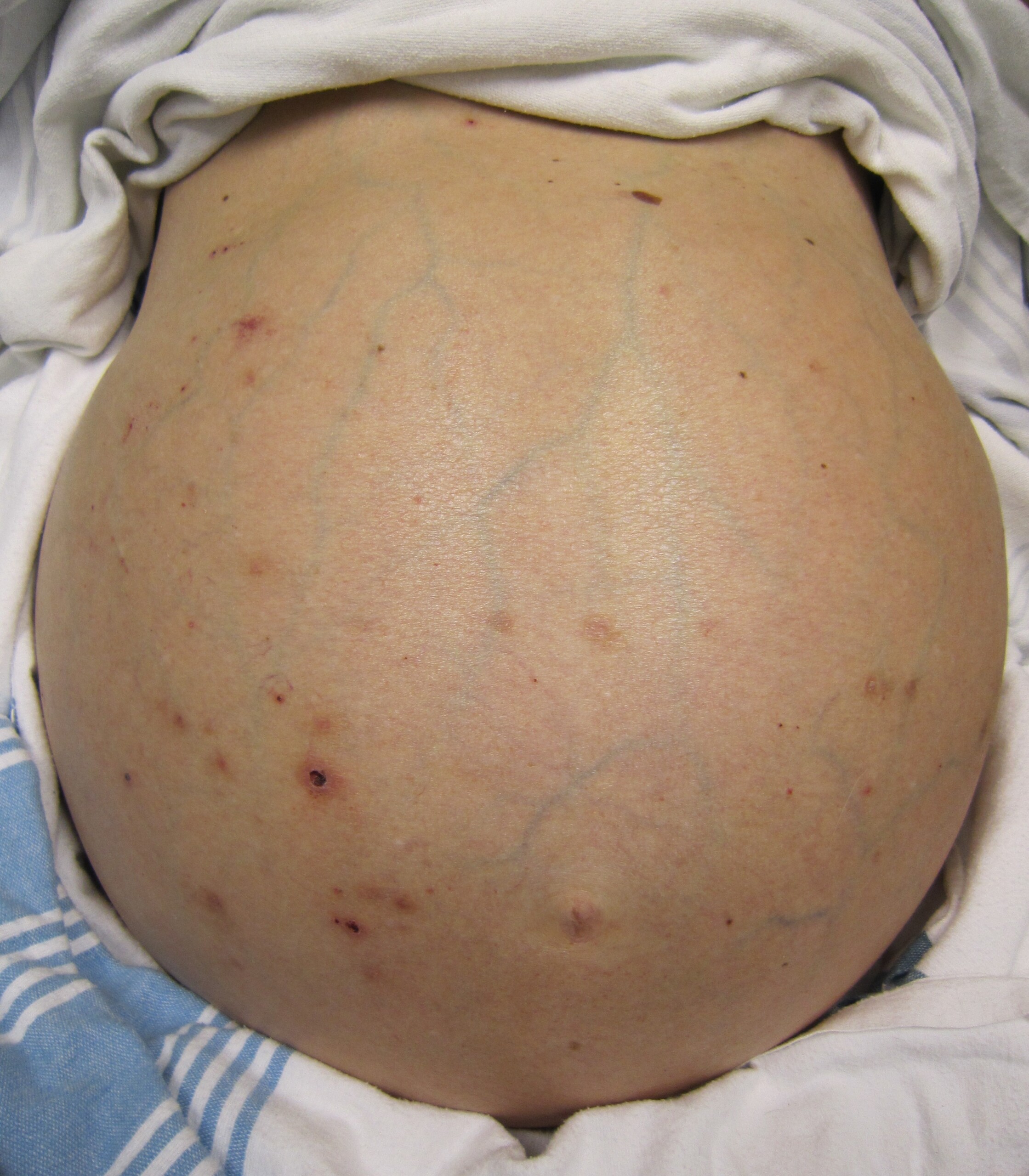
Ascites has many potential causes, but liver disease is notorious for causing this abdominal fluid buildup.
What if heart failure is behind the liver disease? (more…)