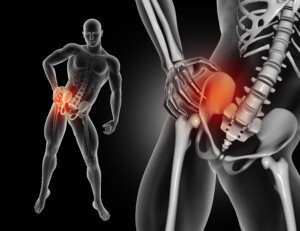
Scientists are working on a new approach to osteoarthritis that goes far beyond managing pain.
Instead of simply slowing symptoms, the goal is to help damaged joints regenerate and repair themselves.
Early animal studies have produced encouraging results, with researchers reporting that some treated joints returned to a healthy state within weeks.
A Major Push Toward Joint Regeneration
The project is a collaboration involving researchers from the University of Colorado Boulder, CU Anschutz, and Colorado State University.
Rather than simply reducing pain or slowing disease progression, the team hopes to develop treatments capable of eliminating osteoarthritis as a chronic condition.
Osteoarthritis affects millions of people worldwide and is one of the most common causes of joint pain and disability.
The disease occurs when cartilage gradually breaks down inside a joint.
As that protective cushioning deteriorates, bones can begin rubbing against one another, leading to pain, stiffness, and reduced mobility.
Over time, the condition may also affect surrounding bone and alter the structure of the joint itself.
Current treatment options largely focus on symptom management.
Patients often rely on pain medications, injections, physical therapy, or, in severe cases, joint replacement surgery.
No treatment currently exists that can fully restore damaged joint tissue.
Two Different Experimental Therapies
The Colorado team is pursuing two separate strategies aimed at repairing joints.
The first involves a drug that has already received FDA approval for other uses.
Researchers developed a specialized particle-based delivery system that can be injected directly into a joint.
Once administered, the particles slowly release the medication over a period of several months.
The goal is to create an environment that supports healing and regeneration inside the joint.
The second approach is designed for patients with more significant cartilage or bone damage.
This treatment uses engineered proteins delivered through a minimally invasive procedure.
After being placed into the damaged area, the material hardens and acts as a scaffold that encourages the body’s own repair cells to rebuild lost tissue.
Promising Results in Animal Studies
In animal models of osteoarthritis and joint injury, researchers reported that joints treated with the injectable therapy regained healthy characteristics within four to eight weeks.
The cartilage repair material also generated impressive results.
Damaged cartilage and bone defects showed complete regeneration and healing in the treated areas.
Scientists additionally observed regenerative effects when testing the technologies on human cells obtained from patients undergoing joint replacement surgery.
Moving Closer to Human Testing
The project is part of ARPA-H’s NITRO initiative, which was created to support the development of minimally invasive therapies capable of regenerating damaged joints.
After meeting key milestones during the first phase of research, the Colorado team has now been approved to continue into phase two. The link above will provide updates over time.
Potential Benefits for Patients
Orthopedic specialists involved with the project believe the treatments could eventually help a wide range of people.
Osteoarthritis affects older adults trying to maintain independence, but it also impacts younger individuals whose sports participation, exercise routines, or daily activities are limited by joint pain.
If the therapies prove successful in humans, patients with early osteoarthritis might someday receive a single treatment that protects joint health for years.
Those with localized cartilage or bone injuries could potentially undergo a minimally invasive repair procedure instead of facing more extensive surgery.
What Happens Next?
The researchers plan to publish detailed results from their animal studies in a peer-reviewed scientific journal.
To help advance the technology toward real-world use, they have also launched a company called Renovare Therapeutics Inc..
Human clinical trials have not yet begun, but the team believes they could start relatively soon if future testing continues to produce favorable results.