Staying up late may not just make you tired the next day. New research suggests that night owls could be putting extra strain on their hearts over time.
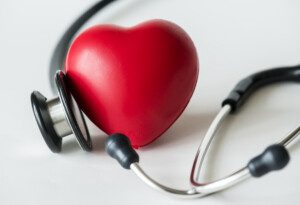
A study tracking more than 300,000 adults found that people who are naturally active later in the day tend to have poorer heart health and a higher risk of heart attack and stroke compared with early risers.
Women seemed to be more affected by late night habits, making chronotype an important factor for long-term cardiovascular health.
How the Study Was Done
Researchers analyzed data from the UK Biobank, which included sleep patterns, activity levels and heart health measures.
Participants were grouped by chronotype. Some were definitely morning people, others definitely evening types and most fell somewhere in between.
Cardiovascular health was assessed using a combination of factors including blood pressure, cholesterol, blood sugar, diet, exercise, smoking, body weight and sleep quality.
Night Owls vs. Early Birds
People who were evening types were 79 percent more likely to have poor heart health scores. They also had a 16 percent higher risk of heart attack or stroke over about 14 years.
Early risers had slightly better heart health overall and lower prevalence of cardiovascular problems.
But why is this? What may first come to mind is that night owls might have a stronger likelihood of snacking on processed or sugary foods late into the night, especially if they’re spending that time on their computers.
And these foods are bad for the heart. The study points out that being active late in the day can cause circadian misalignment, meaning your internal clock is out of sync with typical daily schedules.
This misalignment can affect sleep, eating patterns and other behaviors that impact heart health.
Evening types were more likely to have unhealthy habits such as poor diet, less consistent sleep and smoking.
So it seems as though staying up late has more so of an indirect cause or higher risk of heart problems.
The study didn’t look at the heart health of night owls who had healthful habits: nonsmokers, nondrinkers, low sodium diet of mostly non-processed foods.
The risks associated with being a night owl are not fixed. If you like to stay up late, then make efforts to eat healthier; drink more water; ditch the soda; eat more vegetables and fruits; quit smoking and drinking; and get structured exercise.
Limitations to Keep in Mind
Most participants in the study were white and generally healthier than the overall population.
Chronotype was self-reported and measured only once, so results might not apply to everyone equally.