
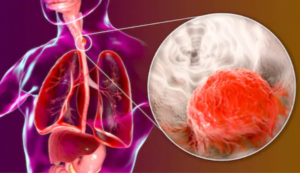
People with chronic GERD may know this can cause Barrett’s esophagus leading to esophageal cancer.
“Risk of GERD developing into esophageal cancer is very low,” says Dr. Maxwell Chait, MD, gastroenterologist at ColumbiaDoctors Medical Group in Westchester County, NY.
Dr. Chait adds, “It depends on the development of Barrett’s esophagus. Ten to 15 percent of people with GERD will develop Barrett’s esophagus in their lifetime.
“The risk of Barrett’s going on to esophageal cancer is less than 1 percent per year: 0.4 to 0.5 percent.”
What is Barrett’s esophagus?
It’s when repeated exposure of lower-esophagus cells to stomach acid results in damage to these cells.
Though the odds of developing esophageal cancer in one who has Barrett’s is very low, as stated by Dr. Chait, the patient still needs regular monitoring to detect any precancerous cells in the esophagus. Treatment at this stage will prevent development of the cancer.
Though many people with Barrett’s do not present with symptoms, here are the key signs: difficulty swallowing food, frequent heartburn, upper abdominal pain, chest pain and dry cough.
As you can see, these symptoms are also key signs of other unrelated ailments.
For example, the symptoms of just chest pain and cough can mean a thoracic aortic aneurysm.
The symptoms of difficulty swallowing food and a cough can result from laryngeal cancer.
The symptom of just difficulty swallowing food can mean many things.
The symptom of only upper abdominal pain can mean pancreatitis.
Chest pain by itself can mean a host of problems including a heart rhythm disorder, heart disease, imminent heart attack, emotional stress and soft tissue strain near the sternum from exercise.
Don’t try to diagnose yourself if you haven’t yet been diagnosed.
See a physician for appropriate tests until the problem is found.
If GERD and Barrett’s esophagus are closely managed, esophageal cancer can likely be prevented.
-
- Difficulty getting food down the throat; this gets worse.
- Eventually, swallowing food gets so difficult one must switch to soft foods.
- Coughing or hoarseness that’s persistant
- Chest pain or a sensation of something “stuck” in the chest; this persists.
- Burning or pressure in the middle of the chest
- “Stuck food” feeling can also occur in the throat.
- Pain when swallowing food
- Weight loss resulting from regurgitation and a suppressed appetite
- Old blood (tarry looking) in the stools
- Fatigue or anemia
- New-onset heartburn
- Increased saliva

Dr. Chait’s practice interests include digestive conditions such as colon cancer, gastrointestinal endoscopy and internal medicine. He has authored numerous publications in reputed journals.
 Lorra Garrick has been covering medical, fitness and cybersecurity topics for many years, having written thousands of articles for print magazines and websites, including as a ghostwriter. She’s also a former ACE-certified personal trainer.